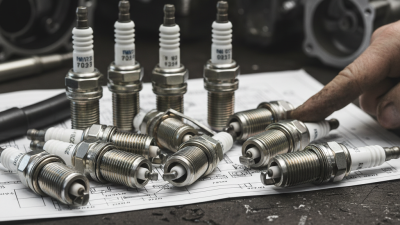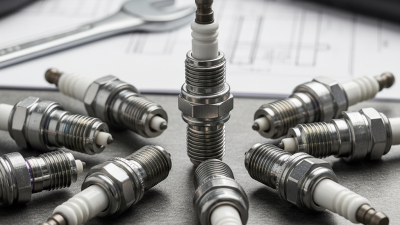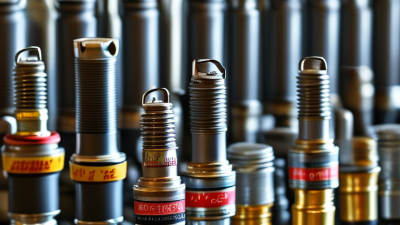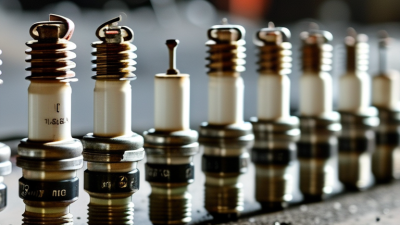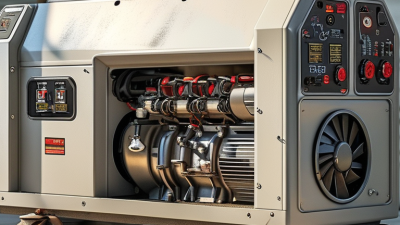
Choosing reliable Engine Plugs for global sourcing requires more than comparing unit prices. A plug may look identical in a catalog, yet differ in thread accuracy, sealing performance, or heat resistance. These small differences can cause leakage, misfiring, corrosion, or premature engine wear. The right decision begins with clear technical requirements and evidence from qualified suppliers.
Experienced sourcing teams review material grades, dimensional tolerances, operating temperatures, and surface treatment details. They also request inspection records, product samples, and batch traceability documents. A dependable supplier should explain its manufacturing process without hiding behind vague claims. Factory audits, independent laboratory tests, and quality certifications can strengthen confidence. However, certificates alone are not enough. Their scope, validity, and connection to the actual product must be checked carefully.
Small details matter.
Before approving Engine Plugs, compare samples under realistic conditions. Check thread engagement, gasket compression, electrode stability, and resistance after heat cycling. Confirm packaging quality, labeling, storage guidance, and replacement support. Global buyers should also verify applicable standards and import requirements in each destination market. Requirements can vary between regions, industries, and engine types.
No checklist is perfect. A supplier with excellent documents may still struggle with production consistency. A low-cost plug may perform well in testing, but fail after long storage. That is why responsible sourcing combines engineering judgment, documented testing, supplier communication, and continuous review. This guide explores practical ways to assess reliability, reduce sourcing risks, and build a stronger Engine Plugs supply strategy.
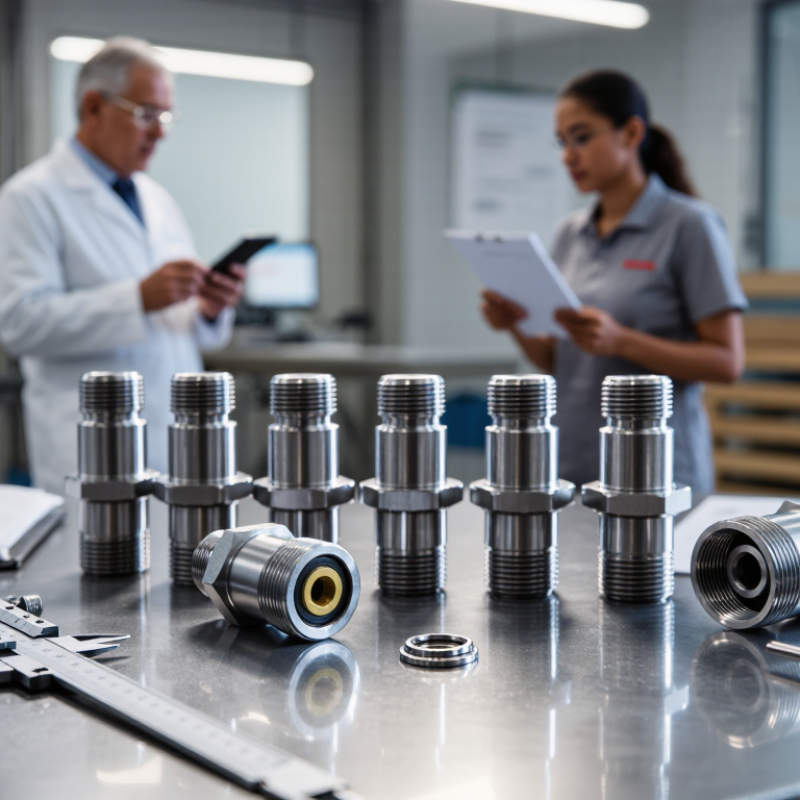
When sourcing engine plugs, define the plug before comparing quotations. Spark plugs ignite the air-fuel mixture in gasoline engines. They require correct heat range, electrode gap, thread size, and insulation strength. Glow plugs support cold starts in diesel engines. Their heating time, voltage, tip temperature, and controller compatibility need careful checking. A small mismatch can cause hard starting or uneven combustion.
Core plugs seal casting openings in the engine block. They must resist coolant pressure, corrosion, and repeated temperature changes. Drain plugs close oil or coolant passages. Their thread accuracy, sealing surface, torque range, and gasket material matter during routine servicing. These plugs do not share the same operating demands. Treating them as one product category creates sourcing errors.
In practical inspections, I compare drawings with physical samples, not quotations alone. I check thread gauges, coating thickness, hardness, dimensions, and leakage performance. For ignition and heating plugs, electrical resistance should remain stable across repeated tests. For sealing plugs, pressure testing should reflect real engine temperatures. Material certificates and batch records also improve traceability. Good suppliers explain their test limits clearly.
I have seen attractive samples fail after thermal cycling. The finish looked excellent. The sealing edge was not. That experience changed my checklist: define the engine, temperature range, fluid exposure, installation torque, and service life before placing an order. Specifications can still miss field conditions, so limited trial orders and failure feedback remain necessary. Reliability is measured after installation, not just inside a factory report.
Reliable engine plugs begin with material verification, not catalog claims. For spark-plug applications, alumina ceramic offers strong insulation and high-temperature stability. NIST Chemistry WebBook lists alumina’s melting point near 2,050°C, but that figure is not a safe operating limit. Thermal cycling, vibration, and combustion deposits still cause damage. Request certificates showing ceramic purity, tensile strength, and dimensional tolerances. Check the metal shell for corrosion-resistant steel and controlled thread accuracy. Small errors matter.
Sealing performance deserves equal attention. ASTM D471 provides a useful method for measuring elastomer changes after exposure to fuel, oil, and other fluids. Ask suppliers for volume-change and hardness data at the intended temperature. A seal that swells may obstruct installation; one that hardens may leak under pressure. For heat evaluation, use thermocouple methods aligned with ASTM E230/E230M, then compare cold-start and sustained-load results. Copper’s thermal conductivity is roughly 400 W/m·K near room temperature, according to NIST reference data, yet heat transfer depends on geometry and contact pressure. Do not trust the number alone. In practice, I would inspect sample plugs after thermal cycling, torque checks, and salt exposure. One weakness remains: laboratory results rarely reproduce every engine compartment. That uncertainty should stay visible.
How to Choose Reliable Engine Plugs for Global Sourcing?
A dependable engine plug begins with a supplier’s quality system, not an attractive quotation. Ask for documented procedures covering incoming materials, machining, assembly, inspection, and packaging. The supplier should identify process risks and control them with measurable checkpoints. Calibration records matter, especially for thread gauges, torque tools, and electrical test equipment. Ask to review recent records, not only polished certificates. Certificates can age quickly.
Product traceability should continue from raw material to shipment. Each production lot should have a clear code, production date, operator record, and inspection result. Material certificates should match the actual batch used in the plugs. Keep samples from approved lots when possible. A small sample can answer difficult questions later. Confirm that rejected units are isolated and recorded. Mixing accepted and rejected parts is a serious warning sign.
During supplier audits, compare written procedures with the factory floor. Workers should understand inspection criteria without guessing. Check whether final tests cover dimensions, insulation, sealing, and resistance where applicable. Independent laboratory testing can support internal results for higher-risk orders. Still, testing cannot repair weak process control. I have seen suppliers maintain excellent paperwork while missing simple packaging damage. That experience changed my checklist. Quality must be visible in records, products, and daily behavior. Recheck the system after the first shipment, because early success may hide unstable production.
Reliable engine plugs are not chosen by price alone. Check the drawing against the engine code, thread diameter, thread reach, seat shape, terminal design, and heat range. A plug can fit the socket but still damage combustion performance. I have seen compatibility checks fail when teams ignored washer thickness and terminal resistance. Small details matter.
Testing should follow recognized methods. For spark plugs, ISO 11565 covers performance and test requirements. IEC 60068 methods can support vibration, temperature cycling, and humidity testing. Ask for test records, not only a certificate. A useful report should show cold-start tests, insulation resistance, torque results, and dimensional inspection. ISO Survey 2022 recorded 1,265,216 ISO 9001 certificates across 189 countries and economies. That scale proves quality systems are widespread, not that every plug is compatible.
For automotive suppliers, IATF 16949 certification offers stronger evidence of process control than ISO 9001 alone. Still, certification is not product approval. Request material certificates, batch traceability, and a controlled change-notification process. Compare samples from at least two production batches. Test them in both cold and hot conditions. UNECE vehicle-regulation reports also show why market-specific requirements must be checked before shipment. A plug accepted in one market may need different markings, documentation, or electromagnetic testing elsewhere. The uncomfortable part is simple: laboratory data can look complete while the sample differs from mass production. Require sealed samples and independent verification.
Choosing reliable engine plugs for global sourcing requires more than comparing unit prices. Start with exact engine fitment, thread size, heat range, electrode design, and sealing performance. Request samples from each supplier and inspect them under consistent conditions. Check the ceramic body for cracks, the metal shell for clean threads, and the gasket for even compression. Small defects can become expensive returns.
Shipping plans should match the product’s handling needs. Use moisture-resistant inner packaging, firm cartons, and clear batch labels. Ask for inspection records, material details, and export documents before production. A supplier should explain lead times honestly, including delays caused by port congestion or seasonal demand. Confirm shipping terms, destination responsibilities, and replacement procedures in writing. Do not rely on informal promises.
Long-term support matters after the first shipment arrives. Keep a retained sample from every production batch and record installation feedback from different markets. Stable suppliers can provide technical answers, consistent specifications, and traceability when a problem appears. Safety stock may protect urgent customers, but excessive inventory can age before use. Forecasts are never perfect. I have seen purchasing plans fail because demand changed suddenly or packaging was overlooked. That weakness should be reviewed openly, not hidden. A practical sourcing plan leaves room for inspection, corrective action, and gradual improvements. Consistent communication often matters more than the lowest quotation.
| Plug Category | Typical Engine Application | Common Materials | Key Technical Requirements | Recommended Quality Checks | Typical Production Lead Time | Shipping and Packaging Plan | Long-Term Supply Support |
|---|---|---|---|---|---|---|---|
| Spark Plug | Petrol and gas engines used in passenger vehicles, motorcycles, generators, and small equipment. |
Steel shell Ceramic insulator Nickel-alloy, platinum, or iridium electrode options |
Correct thread diameter, reach, seat type, electrode gap, heat range, and terminal configuration. Use the original engine specification or approved interchange data for final selection. | Thread gauge Torque test Insulation test Leak test Electrode gap | Usually 30–60 days after drawing, sample, and specification approval. | Use vibration-resistant inner trays, moisture protection, carton dividers, and batch labels. Sea freight is suitable for planned replenishment; air freight is useful for urgent samples or shortages. | Maintain approved samples, inspection records, change-control procedures, and at least two qualified sources for high-volume programs. |
| Glow Plug | Diesel engines in vehicles, agricultural machinery, construction equipment, and standby generators. |
Steel or corrosion-resistant alloy body Nickel or iron-chromium heating element Ceramic designs for selected applications |
Correct voltage, thread, reach, heating time, operating temperature, terminal design, and sealing method. Electrical compatibility must match the engine control system. | Resistance test Current draw Heating curve Torque test Sealing test | Typically 35–70 days, depending on heating-element design and tooling requirements. | Separate terminals and protect heating tips from impact. Apply lot identification to inner boxes and use desiccant for long sea-freight routes where appropriate. | Request periodic electrical performance data, monitor resistance drift, and freeze the approved design before annual volume contracts. |
| Oil Drain Plug | Engine oil pans, transmission housings, differentials, and other fluid service points. |
Carbon steel Stainless steel Aluminum alloys Copper, aluminum, or elastomer sealing washers |
Correct thread size and pitch, head design, magnetic option, corrosion resistance, tightening torque, and washer compatibility. | Thread inspection Plating thickness Torque test Leak test Washer fit | Generally 20–45 days for standard designs; custom magnetic or coated versions may require longer. | Use rust-preventive treatment, compartment trays, moisture-resistant cartons, and clear size labels. Consolidated sea shipments can reduce cost for dense metal parts. | Keep washer specifications and replacement compatibility under document control. Schedule periodic coating and thread audits. |
| Expansion / Core Plug | Engine blocks, cylinder heads, and cooling passages where casting openings require permanent closure. |
Low-carbon steel Stainless steel Brass or other corrosion-resistant alloys for selected environments |
Accurate outside diameter, wall thickness, material hardness, corrosion protection, and correct interference-fit allowance. | Dimensional inspection Hardness test Coating check Pressure test Visual inspection | Normally 25–50 days for established sizes; new tooling may add approximately 10–20 days. | Apply anti-corrosion protection, use size-separated trays, and prevent edge deformation. Pack by diameter and batch to simplify warehouse picking. | Retain approved dimensional samples, define acceptable fit tolerances, and review corrosion performance when coolant formulations or markets change. |
| Threaded Service Plug | Oil galleries, coolant passages, gear housings, hydraulic circuits, and engine inspection points. |
Carbon steel Stainless steel Aluminum alloy Elastomer or metal sealing elements |
Correct metric or inch thread, sealing method, pressure rating, temperature range, corrosion resistance, and tool-interface geometry. | Thread profile Pressure test Leak test Torque test Material certificate | Approximately 25–55 days, depending on coating, seal, and machining requirements. | Protect sealing faces and threads with caps or separators. For mixed-size orders, use barcode or QR-coded cartons linked to packing lists. | Define seal replacement intervals, maintain pressure-test records, and approve any changes to material, plating, or thread supplier in writing. |
| Pressure Test Plug | Temporary testing of cooling systems, oil circuits, fuel passages, and machined engine components. |
Anodized aluminum Stainless steel Brass Oil- and coolant-resistant elastomer seals |
Verified pressure rating, correct sealing diameter, temperature compatibility, repeated-use durability, and secure locking method. | Hydrostatic test Air-leak test Cycle test Seal inspection Dimensional check | Usually 30–60 days for engineered products; prototype tooling and validation can extend the schedule. | Package seals separately from sharp metal edges, include protective caps, and provide user instructions. Ship replacement seal kits with regular replenishment orders. | Track seal-lot performance, define maximum service cycles, and maintain spare seals and replacement components in regional inventory. |
| Recommended Global Sourcing Controls | Applicable to all engine plug categories and international purchasing programs. | Use material grades and coating specifications that are defined on controlled drawings rather than by appearance alone. | Establish an approved specification, first-article sample, tolerance sheet, packaging standard, inspection plan, and change-notification process before volume production. | AQL plan First article Traceability REACH/RoHS review Final audit | Allow additional time for sample approval, pre-shipment inspection, export documentation, and seasonal logistics capacity. | Compare total landed cost, including tooling, inspection, inland transport, duties, insurance, ocean or air freight, and buffer stock rather than unit price alone. | Use rolling forecasts, safety stock based on demand variability, dual sourcing for critical parts, quarterly performance reviews, and a documented corrective-action process. |