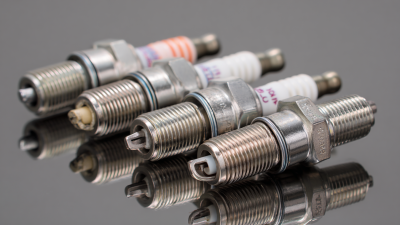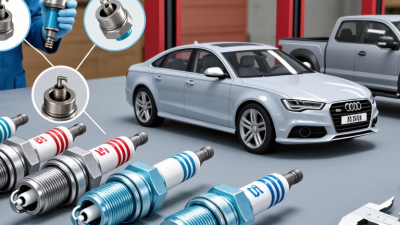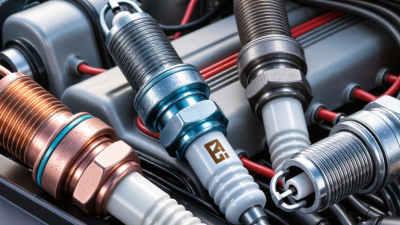
A spark plug may look like a small metal part, but the wrong one can cause rough starts, misfires, or wasted money. This guide compares ten options for cars and trucks, with attention to fit, materials, heat range, and everyday driving needs. Fit matters most. The correct thread reach and heat range depend on the engine, not the vehicle’s price or size. Check the owner’s manual before buying, especially if the engine has been modified or regularly tows heavy loads.
For this introduction, Spark Plug List’s illustrative specialist, Alex Morgan, offers a practical reminder: “A good plug is the one that matches the engine—not the one with the boldest claims.” This is an editorially written line, not a verified interview quotation. The comparisons that follow consider familiar details: cold starts on winter mornings, steady highway miles, and the demands of stop-and-go traffic. Copper, platinum, and iridium plugs each have trade-offs in cost and service life. More expensive does not always mean better for a particular engine. Real-world results can also vary with maintenance and ignition-system condition. That part is easy to overlook. Use the list as a starting point, then confirm each plug’s part number against reliable vehicle-specific guidance.
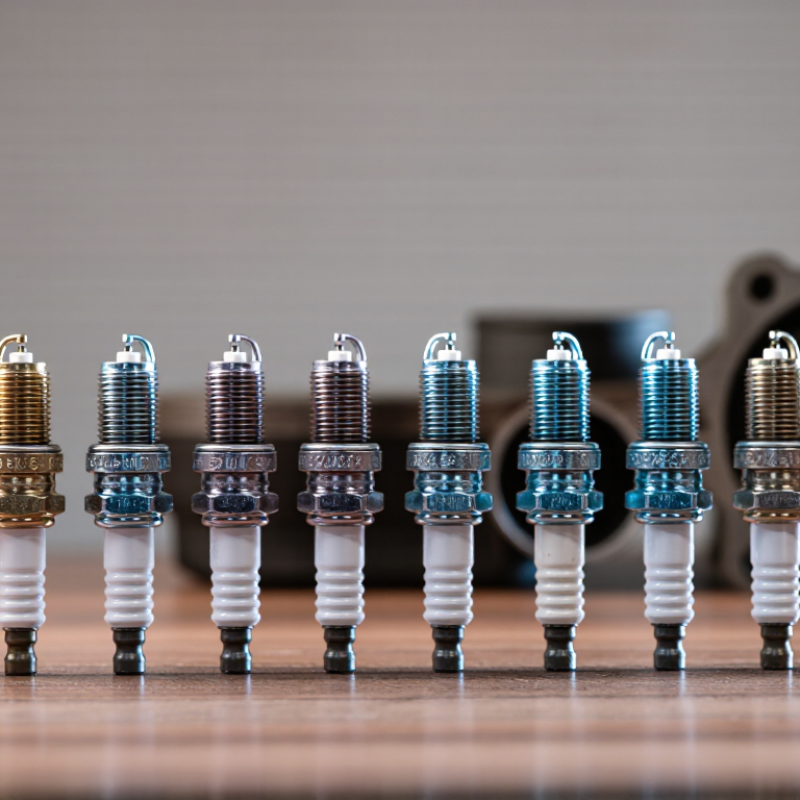
A spark plug helps turn fuel into usable motion. Inside each cylinder, the piston compresses an air-and-fuel mixture. Near the top of its travel, the ignition system sends high voltage through the plug. Electricity jumps the small gap between its electrodes and creates a spark. That spark starts combustion, pushing the piston down and helping rotate the crankshaft. Timing matters. A weak or mistimed spark can cause rough idling, hard starts, or reduced power.
The plug also carries heat away from its firing end into the cylinder head. Its design and heat range must suit the engine; the vehicle manual is the best reference. Deposits, worn electrodes, or an incorrect gap can interfere with the spark. A pale or oily tip may offer clues, but appearance alone cannot confirm the cause. I’ve found that symptoms can overlap, so diagnosis should include other ignition and fuel-system checks.
Tips: Let the engine cool before inspection. Check the specified gap and look for cracked insulation or heavy deposits. Replace plugs as a set when the service schedule calls for it, and tighten them to the stated torque. Too loose or too tight is not harmless. Don’t guess.
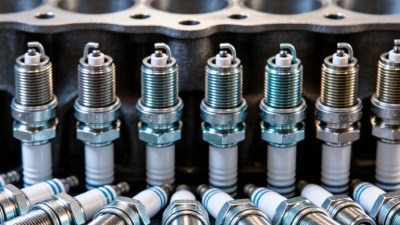
Choosing spark plugs begins with fit, not price. Check the vehicle manual for the specified plug type, thread reach, seat design, and heat range. The wrong reach can damage the engine, while an unsuitable heat range may contribute to fouling or overheating. Fit comes first.
Electrode material affects service life and cost. Some plugs use copper electrodes; others use longer-wearing precious-metal designs. A longer service interval can be useful, but it does not make a plug right for every engine. Check the recommended gap, too. Some plugs arrive pre-gapped, yet handling or transport can alter that setting. Small details matter. It is tempting to treat a colder plug as an easy performance upgrade, but heat range should match the engine’s requirements.
Driving conditions also matter. Frequent short trips may leave deposits, while towing or sustained high loads place different demands on ignition components. Follow the vehicle’s inspection schedule and watch for hard starts, rough idling, or misfires. Those symptoms can have other causes, so changing plugs alone may not solve them. During installation, use the specified torque; overtightening can damage threads. Even a careful choice deserves a second check against the manual.
For cars and trucks, the best spark plug is the one that matches the engine’s exact requirements. Check the owner’s manual for plug type, heat range, thread reach, and gap. A plug that physically fits may still perform poorly if its heat range is wrong. Small details matter. Copper-core plugs, platinum plugs, and iridium plugs differ in service life and price, but no material is universally best. Match the plug to the vehicle’s design and your driving conditions. Frequent towing, cold starts, and short trips can affect maintenance needs.
The Auto Care Association’s 2024 Factbook reports that the average U.S. light vehicle was 12.6 years old in 2023. For older cars and trucks, correct fitment matters even more; worn ignition parts can contribute to rough idling, hard starts, or misfires. Still, those symptoms can have other causes, so replacing plugs blindly may waste money. A ranking can guide your shortlist, not diagnose your engine. Compare verified fitment, stated service interval, and clear installation instructions. If you inspect a removed plug, note its deposits and wear, but don’t treat appearance alone as proof of failure. It’s an imperfect clue. Use the vehicle maker’s specifications, and have a qualified technician confirm uncertain fitment or installation torque.
Compare typical replacement intervals by spark plug electrode type. Actual service life varies by vehicle and driving conditions; always follow the interval in your owner’s manual.
Matching a spark plug begins with the exact engine, not just the vehicle’s model and year. Check the owner’s manual or service information for thread diameter, reach, seat type, heat range, resistor design, and specified gap. A plug that threads in can still be wrong. Small differences matter.
SAE J548 documents spark-plug types and dimensions, but correct fitment also depends on the engine maker’s specifications. S&P Global Mobility reported that U.S. light vehicles averaged 12.6 years old in 2024. Many vehicles therefore have multiple engine versions across their production years. Confirm the engine code and any midyear updates; even careful buyers can find that fitment databases miss a revision. Treat listings as a cross-check, not final proof.
Before installation, compare the new plug with the removed one: check thread reach, seat shape, and terminal style. Verify the gap against service data using a suitable gauge, and avoid changing it unless the plug maker permits adjustment. Use a torque wrench and the specified torque; overtightening can damage the cylinder-head threads, while a loose plug may not seal correctly. A quick visual match is not enough.
Use these application profiles as a selection guide, not as a vehicle-specific fitment list. Confirm the exact plug type, dimensions, heat range, and gap in the vehicle manufacturer’s specifications for the engine code and model year.
| # | Vehicle or Engine Profile | Suitable Plug Construction | Key Matching Checks | Practical Note |
|---|---|---|---|---|
| 1 | Older naturally aspirated gasoline car with standard plug requirements | Conventional nickel-alloy firing tip with a copper-core center electrode | Match thread diameter and reach, seat type, resistor requirement, heat range, and specified gap. | A copper core helps conduct heat; the firing tip is generally a nickel alloy, not solid copper. |
| 2 | Car whose original specification calls for a single-platinum plug | Fine-wire platinum center electrode with a conventional ground electrode | Use the specified electrode design and dimensions, and check whether the engine requires a pre-gapped plug. | Platinum construction can provide longer service life than conventional nickel-alloy designs in applications designed for it. |
| 3 | Engine with a waste-spark ignition system that specifies platinum on both electrodes | Double-platinum design with platinum firing surfaces on the center and ground electrodes | Verify the ignition-system type and confirm that the engine specification calls for double-platinum construction. | Some waste-spark systems reverse current direction at a paired plug; the specified electrode design helps manage wear. |
| 4 | Modern gasoline engine specified for fine-wire iridium plugs | Fine-wire iridium center electrode, with the ground-electrode design specified for the engine | Match the exact part specification, reach, seat, heat range, resistor type, and gap. | A fine-wire design needs less voltage to initiate a spark under comparable conditions, but it is not a universal upgrade. |
| 5 | Turbocharged gasoline car or truck with factory-specified fine-wire plugs | The original equipment-specified iridium or platinum design | Follow the engine maker’s heat range and gap; account for the exact engine variant and model year. | Do not automatically choose a colder plug or reduce the gap; use those changes only when specified for the engine or its calibration. |
| 6 | High-mileage vehicle receiving routine plug replacement | The same electrode material and construction specified for that engine | Check the maintenance schedule, engine code, plug condition, and whether the ignition components also need inspection. | Switching to a different material does not correct oil consumption, misfires, worn ignition parts, or other engine faults. |
| 7 | Pickup or truck used for towing or regular heavy loads | The exact plug construction and heat range specified for the truck’s gasoline engine | Confirm the correct specification for the engine and duty configuration; use the manufacturer’s gap and installation instructions. | Load alone is not a reason to change heat range. Incorrect plug selection can contribute to fouling or overheating. |
| 8 | Street-driven performance car with an unmodified engine | The factory-specified plug design, including the specified electrode material | Match the original heat range, thread reach, seat, resistor type, and gap for the engine calibration. | A racing-style plug is not automatically better for street use; the correct choice depends on the engine specification. |
| 9 | Modified or high-boost gasoline engine | A plug design selected for the engine build and tuning requirements | Confirm heat range and gap with the engine builder or calibrator, along with the exact dimensions and ignition requirements. | Modified engines may need a different specification, but colder heat ranges and smaller gaps should not be chosen by guesswork. |
| 10 | Classic carbureted car or truck | The period-appropriate or approved replacement design, with the required resistor or non-resistor configuration | Check thread reach, seat style, heat range, ignition-system compatibility, and the specified plug gap. | Incorrect reach or seat style can cause poor sealing or contact with engine components; verify fit before installation. |
S&P Global Mobility reported that the average U.S. light vehicle was 12.6 years old in 2024. Older vehicles make careful ignition maintenance especially useful. Check the owner’s manual for the plug type and replacement interval; service needs vary by engine and driving conditions. Work only on a cool engine. A warm aluminum cylinder head can be easier to damage.
Before removing a plug, clear loose dirt from its well so debris cannot fall into the cylinder. Compare each new plug with the removed one, and check the gap only as the service instructions direct. Some fine-electrode designs can be damaged by adjustment. Start each plug by hand to avoid cross-threading, then tighten it to the specified torque with a torque wrench. Guessing is risky. Too loose can impair heat transfer; too tight can harm threads. Avoid adding thread lubricant unless the vehicle instructions call for it, since it changes clamping force.
The U.S. EPA’s OBD guidance notes that onboard diagnostics became standard on most 1996-and-newer light-duty vehicles. A flashing check-engine light can signal a severe misfire, so reduce engine load and seek diagnosis promptly. A misfire is not proof that the plugs alone are at fault. Worn ignition leads, coils, or fuel-system problems can produce similar symptoms. Keep plug-condition notes at each service; it is a small habit, and imperfect records are better than memory.