Leave Your Message

China Top 10 Premium Spark Plug Manufacturers

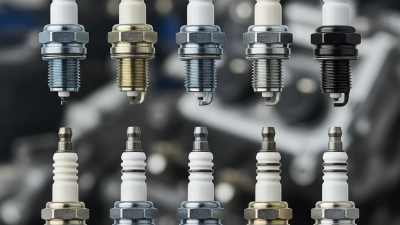
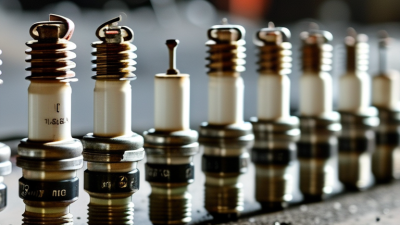
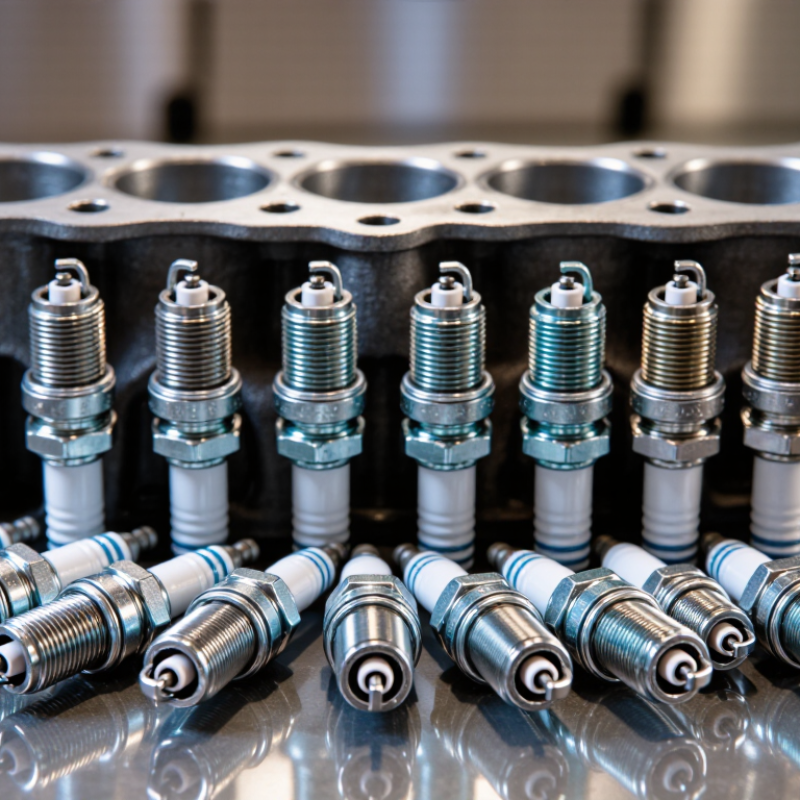
Premium Spark Plugs are small components with a demanding job: they must deliver a consistent spark under heat, pressure, and vibration. A polished ceramic insulator and precisely formed electrode may look simple on a workbench. Inside an engine, however, small differences can affect ignition reliability, service life, and compatibility. Fit matters.

Automotive technology author James D. Halderman teaches about ignition systems and the importance of matching components to engine requirements. A practical paraphrase of that guidance is: “Choose a spark plug by the engine’s specification, not by its label or price.” This is not a direct quotation. It captures a useful point for buyers comparing manufacturers: premium positioning alone does not prove suitability. Check the specified heat range, thread dimensions, electrode design, and application data.

This guide examines China’s top 10 premium spark plug manufacturers through a buyer-focused lens. It considers product range, manufacturing capabilities, quality-control practices, technical support, and evidence available to verify claims. Details matter. A supplier’s catalog may show nickel, platinum, or iridium options, but buyers should still confirm fitment for the exact engine and operating conditions. Claims about durability or performance deserve supporting test data, not just attractive packaging. Some company information can be difficult to compare consistently, and rankings are not a substitute for independent validation. That limitation deserves attention. The aim is to help readers ask better questions, identify credible suppliers, and shortlist products with care.
China Top 10 Premium Spark Plug Manufacturers

China’s Premium Spark Plug Industry: Scope and Background

China’s premium spark plug industry sits within a large, technically diverse automotive supply chain. The China Association of Automobile Manufacturers reported 30.16 million vehicles produced in China in 2023. OICA recorded 93.5 million vehicles produced worldwide that year. These figures show the scale of the market, but not the number of spark plugs sold: many vehicles use multiple plugs, while electric-only vehicles use none.

Premium products are generally distinguished by tighter manufacturing tolerances, durable electrodes, stable ignition, and reliable heat management. These features matter in engines exposed to high temperatures, vibration, and repeated cold starts. Hybrid vehicles also retain combustion engines and may require spark plugs. Demand is changing. CAAM reported 9.59 million new-energy vehicles produced in China in 2023, including both battery-electric and plug-in hybrid vehicles.

For buyers, useful checks include dimensional consistency, insulation quality, heat-range suitability, and documented testing. Supplier audits and batch traceability can help reveal production variation. Yet “premium” has no single universal definition across the sector. A higher price alone proves little; specifications must match the engine and operating conditions. That distinction is easy to overlook.

Typical service-life ranges by electrode material

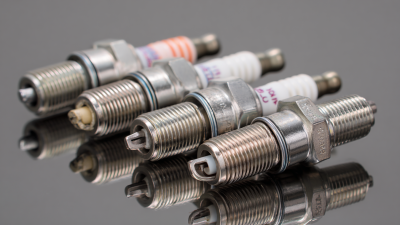
Precious-metal electrodes are commonly associated with longer replacement intervals than nickel-alloy electrodes. These ranges are indicative; the correct service interval depends on the vehicle and its manufacturer’s maintenance schedule.

How Premium Spark Plugs Work and Where They Are Used

A spark plug creates a timed electrical spark inside an engine’s combustion chamber. Its center and ground electrodes form a narrow gap, where high voltage jumps across and ignites the compressed air-fuel mixture. The expanding gases push the piston down and produce power. Small parts matter.

Premium plugs may use fine-wire electrodes and wear-resistant metals to maintain a consistent spark over many operating hours. A slim electrode can require less voltage to fire, though results depend on engine design and condition. The ceramic insulator keeps current on its intended path and must withstand heat, pressure, and vibration. “Premium” does not mean universal. The correct heat range, thread length, and gap still need to match the engine.

These plugs are used in passenger cars, motorcycles, and some small engines, including lawn equipment and portable generators. In city traffic, frequent starts and idling can make stable ignition especially useful. In a high-mileage engine, however, worn coils, deposits, or poor fuel delivery may cause misfires that a new plug cannot fix. Fit still matters. A careful inspection of the old plug can reveal clues: a pale, clean tip differs from one coated in dark deposits, but diagnosis should consider the whole engine.

Key Criteria for Evaluating Spark Plug Manufacturers

Key Criteria for Evaluating Spark Plug Manufacturers

Choosing among China’s premium spark plug manufacturers requires more than comparing unit prices. CAAM’s 2024 industry release reported 31.28 million vehicles produced and 31.44 million sold in China. That scale makes stable production and traceable quality important. Ask suppliers for batch-level inspection records, not just a polished sample. Check thread dimensions, electrode gaps, ceramic insulation, and shell finish. Small variations matter.

Request test results for ignition performance under pressure, thermal cycling, insulation resistance, and electrode wear. The test method and sample size should be stated clearly. A result without conditions is hard to judge. Verify that quality systems align with IATF 16949, and that external testing uses an ISO/IEC 17025-accredited laboratory where relevant. Also examine how defects are logged, investigated, and prevented from recurring.

Factory visits can reveal practical details: calibrated gauges, separated test areas, and readable batch labels. Ask how production lots are traced from incoming materials to finished plugs, and compare records across several batches. Warranty-return data can add useful evidence, though reporting methods may differ. No single score tells the whole story. I would still question unusually perfect results; suppliers should explain variation, not hide it.

Profiles of 10 Premium Spark Plug Manufacturers in China

China’s premium spark plug manufacturers serve different engine and production needs. Profile 1 focuses on high-volume production, where consistent thread dimensions and stable firing gaps matter. Profile 2 emphasizes copper-core designs for heat transfer. Profile 3 specializes in iridium electrodes for long service intervals. Profile 4 offers a broad range of heat ratings for varied engine conditions. Details matter.

Profile 5 is suited to custom specifications, including reach and seat variations. Profile 6 highlights ceramic-insulator quality and careful glazing. Profile 7 focuses on inspection processes, such as checking electrode alignment and resistance. Profile 8 serves commercial vehicle applications, where vibration tolerance can be important. Profile 9 develops plugs for small engines and compact equipment. Profile 10 supplies replacement ranges designed around common fitment requirements.

These are capability-based profiles, not verified rankings of named companies. Buyers should confirm production capacity, test methods, material specifications, and traceability directly with each supplier. Ask for samples and inspect the gap, threads, and insulator finish under good lighting. A polished catalog is not proof of consistent output. Supplier claims need checking, and that step is easy to overlook.

Manufacturing Capabilities, Markets, and Industry Trends

China’s premium spark-plug sector includes manufacturers with capabilities spanning ceramic-insulator forming, precision electrode assembly, heat-range testing, and automated inspection. A capable factory can show process controls, traceable material records, and repeatable test data—not just a modern production line. Details matter. Buyers should compare electrode materials, dimensional tolerances, thermal performance, packaging protection, and defect-handling procedures. Testing samples from multiple production batches can reveal variation that a single demonstration misses.

Export-oriented suppliers serve aftermarket distributors, repair networks, and selected original-equipment programs. Market requirements differ: engine design, fuel conditions, climate, and service intervals all affect plug specifications. Manufacturers need dependable engineering support and clear technical documentation for each application. Current trends include finer process monitoring, more durable electrode designs, tighter quality traceability, and development for changing engine platforms. Electrification is reshaping long-term demand, but combustion engines remain widely used in many markets. Not a simple transition. A “top ten” list should be a starting point, not proof of suitability; capacity claims, certifications, and delivery performance need independent verification. Even experienced purchasers can overlook after-sales responsiveness. That weakness matters.

China Top 10 Premium Spark Plug Manufacturers - Manufacturing Capabilities, Markets, and Industry Trends

This is an industry-level overview of ten relevant capability and market dimensions. It does not rank or identify individual manufacturers; product and manufacturing details vary by supplier and application.

No. Capability or Market Dimension Industry Fact Relevance to Premium Spark Plugs Market and Industry Trend
1 Product construction Spark plugs generally combine a metal shell, a ceramic insulator, a center electrode, and a ground electrode. Material selection and dimensional control affect electrical insulation, heat transfer, durability, and fit. Manufacturers continue to refine electrode designs and production controls for longer service life and consistent performance.
2 Electrode materials Nickel-alloy, platinum, and iridium-based electrode designs are used in spark plugs; precious-metal designs can support fine-wire electrodes. Fine-wire electrode designs can require less voltage to initiate a spark than some larger-electrode designs, depending on the application and condition. Demand for long-life replacement parts supports interest in precious-metal plugs, while cost-sensitive applications continue to use other designs.
3 Ceramic insulators Alumina ceramic is commonly used as a spark-plug insulator because of its electrical insulation and heat-resistance properties. Insulator quality, geometry, and glazing contribute to dielectric performance and resistance to thermal and mechanical stress. Precision ceramic forming and inspection remain important parts of high-volume spark-plug manufacturing.
4 Heat-range selection Heat range describes how quickly a plug transfers heat from its firing end to the cylinder head; it is not a measure of spark intensity. The correct heat range depends on engine design and operating conditions. An unsuitable plug can contribute to fouling or overheating. Broader engine-application coverage increases the importance of accurate cataloging and fitment data.
5 Manufacturing operations Typical production steps include forming or machining metal components, producing ceramic insulators, assembling the plug, and conducting dimensional and electrical checks. Automated assembly and in-line inspection can help maintain repeatability in electrode positioning, gaps, and sealing features. Manufacturers are adopting more process monitoring and traceability to improve quality consistency and production efficiency.
6 Quality and validation Spark-plug validation commonly considers dimensional conformity, insulation performance, sealing, and operation under application-relevant conditions. Testing and inspection help verify that a plug matches its intended engine application and meets the relevant customer specification. Customers increasingly value documented quality systems, traceability, and reliable batch-to-batch consistency.
7 Original-equipment and replacement markets Spark plugs are supplied both for new-engine production and for the automotive replacement market. Original-equipment programs emphasize application-specific validation; replacement products require dependable fitment and distribution coverage. Replacement demand is supported by the large installed base of gasoline-engine vehicles, while vehicle electrification changes long-term demand patterns.
8 Export and application coverage Spark-plug specifications are application-dependent; thread size, reach, seat type, heat range, and terminal design must match the engine requirements. Export suppliers need accurate technical documentation and application matching for different vehicle and engine markets. Cross-border sales and private-label supply make product identification, packaging accuracy, and after-sales technical support important.
9 Engine technology trends Gasoline direct injection, turbocharging, and engine downsizing can create demanding combustion and thermal conditions, depending on the engine design. Plug selection must follow the engine maker’s specification; a premium material alone does not make a plug suitable for every engine. Suppliers focus on application-specific electrode designs and reliable performance under the operating conditions defined by customers.
10 Electrification and outlook Battery-electric vehicles do not use spark plugs, while many hybrid vehicles with gasoline engines still require them. Demand remains linked to the global fleet of internal-combustion and hybrid engines, vehicle usage, and replacement intervals. Industry planning increasingly balances ongoing replacement demand with the gradual growth of electrified vehicle fleets.