Finding the right Spark Plug List in 2026 requires more than comparing prices or counting product reviews. A reliable list should explain heat range, thread size, electrode material, gap settings, and vehicle compatibility. These details matter when an engine starts slowly on a cold morning or misfires under heavy acceleration. A spark plug that suits a compact sedan may fail in a turbocharged truck. Always compare the recommendation with the vehicle manufacturer’s specifications.
Look for information from established parts suppliers, certified technicians, and manufacturers with clear testing standards. Independent reviews are useful when they describe mileage, engine type, installation conditions, and long-term performance. Photos can also reveal practical details, such as damaged threads, worn electrodes, or inconsistent packaging. Small clues matter.
A good list admits its limits. No single plug performs best in every engine, climate, or driving pattern. Some rankings may rely too heavily on popularity, while others overlook installation quality. That weakness deserves attention. A careful buyer should verify the part number through an official catalog before ordering. Check the torque recommendation, inspect the old plug, and avoid forcing an incorrect gap. These simple actions reduce expensive mistakes.
The strongest Spark Plug List combines technical evidence with real-world usability. It should help readers choose confidently, not push one brand without explanation. In 2026, trustworthy guidance will remain specific, transparent, and open to correction. That is a better standard.
How to Find the Best Spark Plug List in 2026?
The best spark plug is not automatically the most expensive one. It must match the engine’s design, heat range, thread size, reach, and required electrode gap. Check the vehicle service manual before comparing materials or performance claims. A correct fit protects the combustion chamber and supports reliable starting.
Real-world conditions also matter. A commuter car facing short trips may need strong resistance to fouling. A high-mileage engine may show oil deposits on the plug tip. That detail matters. During inspection, look for clean threads, an undamaged ceramic insulator, and even electrode wear. A plug with a wider gap than specified can cause misfires, especially under load. Small difference. Big effect.
Long-life electrodes can reduce replacement frequency, but they cannot repair weak ignition coils or poor engine compression. Avoid choosing by fuel-economy promises alone; results depend on maintenance, traffic, temperature, and driving habits. Installation also deserves care. Use the specified torque, keep debris away from the cylinder, and never force a cross-threaded plug. I once treated gap measurement as a minor step, and that was a mistake. Modern ignition systems are less forgiving. A dependable 2026 spark plug list should rank verified compatibility, durability, operating conditions, and service evidence above attractive packaging or exaggerated claims.
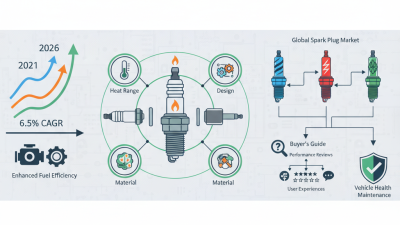
How to Find the Best Spark Plug List in 2026?
The best spark plug depends on your engine, not a universal ranking. Check the owner’s manual for thread size, reach, heat range, and electrode gap. A plug that fits physically may still create poor combustion or overheating. SAE technical guidance links correct heat-range selection with controlling deposits and preventing abnormal combustion.
Driving conditions matter just as much. Short urban trips can leave more deposits because the engine may not reach full operating temperature. Long highway driving creates different thermal demands. For turbocharged engines, frequent towing, or steep terrain, follow the engine maker’s specified plug range closely. Do not choose a “colder” plug casually. It may resist heat, but it can also foul during slow commuting.
The U.S. Department of Energy’s 2025 Fuel Economy Guide emphasizes that maintenance affects real-world efficiency, although it does not rank individual plugs. S&P Global Mobility reported an average U.S. light-vehicle age of about 12.6 years in 2024. Older vehicles deserve extra inspection for oil fouling, worn ignition parts, and damaged threads. I have learned that a perfect list still misses vehicle history. Inspect the removed plug. A dry, light-brown tip can look reassuring, but modern engines may hide problems until load increases. Measure the gap carefully, use the specified torque, and recheck after installation. Small errors remain possible.
Match Spark Plug Types to Your Engine and Driving Conditions
Typical service life varies by engine design, fuel system, ignition condition, temperature, traffic, towing, and maintenance quality. Nickel-alloy plugs commonly require earlier replacement, while platinum and iridium plugs generally support longer intervals. Always confirm the exact plug specification and replacement schedule in the vehicle owner’s manual.
How to Find the Best Spark Plug List in 2026?
A reliable spark plug list should compare heat range, not merely price or electrode shape. Heat range describes how quickly a plug transfers heat to the cylinder head. Too cold may cause deposits; too hot can increase pre-ignition risk. SAE J1930 provides consistent terminology, but heat numbers are not universal across manufacturers. Always match the engine’s service specification first.
Material changes durability and firing consistency. Nickel-alloy plugs suit many standard engines, while fine-wire precious-metal electrodes usually resist wear better. However, “premium” does not guarantee better performance. Check the required gap, thread diameter, reach, and seat design. ISO 1919 covers important spark-plug dimensional requirements, including flat-seat applications. A plug with the wrong reach can damage an engine. That detail is easy to miss.
Performance ratings need careful reading. Compare tested service life, misfire resistance, and gap stability rather than vague horsepower claims. The U.S. EPA’s 2024 Automotive Trends Report places average new-vehicle fuel economy near 27 mpg for the 2023 model year, increasing pressure on combustion efficiency. Still, a spark plug cannot repair poor ignition timing or worn coils. In workshop inspections, I have seen correct heat ranges perform worse when gaps were ignored. My first checklist missed that. It was a useful correction. A practical 2026 list should show test conditions, vehicle compatibility, material, dimensions, and evidence behind every rating.
How to Find the Best Spark Plug List in 2026?
A reliable spark plug list begins with exact compatibility checks, not popularity rankings. Record the vehicle year, engine code, displacement, and production changes. Confirm thread diameter, reach, seat design, heat range, terminal style, and resistor requirements. Even a small mismatch can cause poor sealing, misfiring, or piston clearance problems. I have seen listings that matched the vehicle model but ignored a mid-year engine revision. That mistake was expensive.
Use manufacturer service data and technical catalogs as your primary references. Compare the recommended plug type, gap, torque, and replacement interval. Do not copy a gap from a different engine family. Some modern ignition systems require tighter tolerances than older designs. Check the data twice.
Real-world reliability needs evidence beyond specifications. Read repair records, fleet feedback, and long-term testing from qualified technicians. Look for consistent cold starts, stable idle, clean acceleration, and normal electrode wear after several thousand miles. A plug that performs well during one short drive proves little. Inspect removed plugs for oil fouling, ash, rounded electrodes, or unusual deposits. These marks may reveal engine problems rather than plug failure.
Online lists can still be incomplete. I once trusted a highly rated chart that omitted a regional emission configuration. Verification takes time, but replacement work takes longer. Keep the original data sheet, installation date, mileage, and inspection notes. That paper trail makes later decisions more accurate.
| Verification Dimension | Reference Data or Acceptable Range | Why It Matters | How to Verify | Reliability Signal |
|---|---|---|---|---|
| Thread diameter and pitch | Common passenger-vehicle sizes include M10 × 1.0, M12 × 1.25, and M14 × 1.25. | The thread must match the cylinder-head tapping. Incorrect size can cause leakage, thread damage, or installation failure. | Compare the exact engine service-manual specification with the plug catalog dimensional drawing. | A listing that provides thread diameter, pitch, and installation torque is more dependable than one showing only a vehicle name. |
| Thread reach | Common reach values are approximately 12.7 mm, 19.0 mm, and 26.5 mm, but the correct value is engine-specific. | A plug that is too short may reduce combustion performance; one that is too long can contact the piston or valves. | Confirm the reach from the original plug, engine documentation, or an approved dimensional drawing. | Exact reach data with a technical drawing is a strong compatibility indicator. |
| Seat design | Typical designs are gasket-seat and tapered-seat. They are not interchangeable unless specifically approved. | The seat controls sealing, heat transfer, and installed position in the cylinder head. | Match the seat type shown in the engine manual and the replacement plug drawing. | A complete listing identifies the seat type rather than relying on photographs alone. |
| Terminal configuration | Common configurations include a fixed terminal nut, removable terminal nut, or threaded stud, depending on the ignition boot. | The terminal must securely mate with the ignition coil or plug wire. | Compare the original terminal shape and confirm the replacement terminal specification. | Listings with terminal drawings and connector notes reduce installation mistakes. |
| Electrode material | Nickel-alloy, platinum-alloy, and iridium-alloy electrode designs are commonly used in gasoline engines. | Material influences wear resistance, required ignition voltage, and expected service life. | Check the technical data sheet for center-electrode and ground-electrode materials; do not infer material from color alone. | Fine-wire precious-metal electrodes generally offer better wear resistance, but only when the heat range and gap are correct. |
| Heat range | Heat-range numbering is not universal; a higher number may represent a hotter or colder plug depending on the numbering system. | The correct thermal rating helps prevent fouling, overheating, pre-ignition, and detonation-related damage. | Use the engine manufacturer’s specified heat range and the maker’s cross-reference chart together. | A reliable list explains the numbering system instead of comparing heat-range numbers across different product families. |
| Spark gap | Typical modern gasoline-engine gaps are approximately 0.7–1.1 mm, but the correct gap is engine- and ignition-system-specific. | An incorrect gap can cause misfires, hard starting, reduced power, or excessive ignition-coil stress. | Verify the specified gap in the service manual and measure new plugs with a suitable gauge before installation. | Consistent measured gaps across a sample indicate better manufacturing control. |
| Projected or non-projected nose | Projected-tip and non-projected designs are application-specific and should not be substituted without approval. | The firing-tip position affects combustion behavior and clearance from internal engine components. | Compare the original plug’s insulator projection and the dimensional drawing. | A catalog that lists projection dimensions provides stronger evidence than a generic “direct fit” claim. |
| Operating fuel and engine type | Naturally aspirated, turbocharged, direct-injection, LPG, and high-compression engines may require different plug specifications. | Cylinder pressure, combustion temperature, and fuel composition affect ignition and electrode wear. | Confirm the engine code, fuel type, induction system, and emissions configuration before selecting a plug. | A trustworthy list separates applications by engine code instead of grouping all engines in one vehicle model range. |
| Service interval evidence | Replacement intervals commonly range from about 30,000 to 100,000 km, with some fine-wire designs specified for longer intervals; the service schedule controls. | Longer advertised life is not valid if the plug is used outside its approved engine or operating conditions. | Compare the plug specification with the vehicle maintenance schedule and inspect condition at recommended intervals. | Real-world reliability is better supported by documented mileage, gap growth, misfire history, and removal-condition records. |
| Torque and installation method | Installation torque varies with thread size, seat type, cylinder-head material, and whether the plug is lubricated; there is no universal torque value. | Under-tightening can cause leakage and overheating; over-tightening can damage threads or distort the plug shell. | Follow the plug and engine documentation, use a calibrated torque wrench, and avoid anti-seize unless expressly permitted. | Clear torque instructions and installation warnings indicate higher-quality technical support. |
| Quality-control information | Useful evidence includes dimensional inspection, electrode-weld consistency, insulation integrity, and traceable production information. | Manufacturing variation can lead to inconsistent ignition performance and premature electrode wear. | Look for batch identification, technical documentation, warranty terms, and consistent packaging information. | Traceability and verifiable test data are more meaningful than unsupported claims such as “premium” or “long-life.” |
| Real-world inspection results | Normal wear is usually assessed through electrode erosion, gap growth, insulator deposits, shell condition, and evidence of leakage. | Used-plug condition can reveal fuel mixture problems, oil consumption, overheating, or ignition faults that are not caused by the plug itself. | Record mileage, engine condition, removed-plug photographs, measured gap, and any diagnostic trouble codes. | Repeated misfire-free operation and controlled gap growth across several service cycles provide stronger evidence than isolated reviews. |
Important: These are general reference ranges for comparison. Always give priority to the engine manufacturer’s service manual, exact engine code, approved part specification, and installation instructions. Compatibility should be confirmed using dimensions, seat type, heat range, electrode design, and required spark gap together.
How to Find the Best Spark Plug List in 2026?
Build and Update a Personalized 2026 Spark Plug Shortlist
A useful spark plug shortlist starts with your exact engine, not a popular search result. Record the vehicle year, engine code, fuel system, mileage, and operating conditions. S&P Global Mobility reported that the average U.S. light vehicle reached 12.6 years in 2024. Older vehicles often have mixed service histories. Check the owner’s manual, service records, and the stamped engine information before comparing specifications.
Track four details for every candidate: thread size, reach, heat range, and electrode gap. Material type matters, but compatibility matters more. The U.S. Environmental Protection Agency’s 2024 Automotive Trends Report shows continuing gains in fuel economy and emissions control. Modern engines can therefore react badly to a small specification mismatch. Keep a paper record or spreadsheet. It sounds basic.
Your shortlist should contain one confirmed option and two verified alternatives. Confirm each part against technical catalogs, installation instructions, and the vehicle manufacturer’s maintenance schedule. Do not trust a marketplace title alone. Inspect the removed plug for ash, oil, fuel wetness, or an unusually worn electrode. Those marks may reveal engine problems, not plug quality. I once treated a rough idle as a simple replacement job; the real issue was a vacuum leak. That mistake changed how I check parts.
Review the list after major repairs, fuel-system changes, or unusual starting problems. Recheck the gap carefully, even when the package says it is pre-set. Small errors happen.