How to Choose the Right Spark Plugs for Your Engine?
Choosing the right spark plugs for your engine is crucial for optimal performance and efficiency. Spark plugs are small but vital components that ignite the air-fuel mixture in combustion engines. According to a report by the Specialty Equipment Market Association (SEMA), the proper spark plug can improve fuel efficiency by up to 10%.
Many vehicle owners overlook the importance of maintaining the right spark plugs. Using the wrong type may lead to misfires and poor engine performance. In fact, some studies show that nearly 30% of drivers use incorrect spark plug specifications, resulting in increased emissions and decreased mileage.
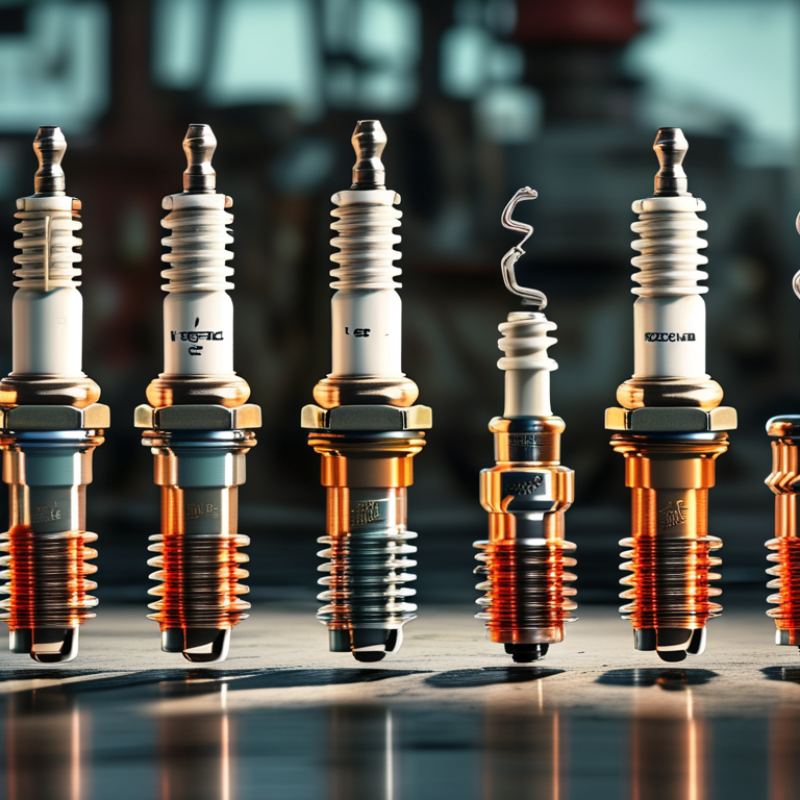
Understanding the different types of spark plugs available is essential. Copper, platinum, and iridium plugs each have unique benefits and drawbacks. While platinum offers longevity, it may not suit all engine types. Iridium plugs, meanwhile, provide excellent performance but at a higher cost. It's vital to consider your engine's specific needs when making this decision.
Understanding the Function of Spark Plugs in Engine Performance
Spark plugs are crucial components in igniting the air-fuel mixture in an engine. Their design directly affects engine performance and efficiency. A well-functioning spark plug creates a strong, consistent spark, ensuring smooth combustion. If a plug fails, it can lead to misfires, poor fuel economy, and increased emissions. This highlights the importance of understanding their role.
One common mistake many car owners make is neglecting the spark plugs during maintenance. Over time, spark plugs wear out and can become coated with deposits. This can diminish their efficiency and lead to performance issues. Regular inspection and replacement based on the manufacturer’s guidelines can prolong engine life.
Choosing the right spark plugs also requires knowledge of heat range and gap settings. Using plugs that are too hot or too cold can affect combustion. It can lead to premature wear or engine knocking. This complexity underscores the need for careful consideration when selecting spark plugs. Every engine has unique needs that must be met for optimal performance.
How to Choose the Right Spark Plugs for Your Engine?
Understanding the Function of Spark Plugs in Engine Performance
Identifying the Correct Spark Plug Type for Your Engine Specifications
Choosing the right spark plugs is crucial for optimal engine performance. Different engines require specific types of spark plugs based on their design and operating conditions. An engine may require copper, platinum, or iridium spark plugs. Each type has different longevity and conductivity properties. For example, iridium plugs can last up to 100,000 miles, while copper plugs may only last 20,000 miles.
To identify the correct spark plug for your engine, consult the vehicle manufacturer’s manual. It provides essential specifications. Look for plug dimensions, heat range, and gap size. These factors influence how well the plug ignites the fuel-air mixture. Missing the right specifications can result in poor engine performance or reduced fuel efficiency.
Tip: Always replace spark plugs in sets. This ensures consistency across cylinders. Using old and new plugs together may create uneven performance.
Also, consider your driving conditions. Frequent short trips may require more frequent replacements. Engine temperature and load condition can also affect spark plug lifespan. Regular inspections can help identify issues early.
Tip: Check the spark plug after every oil change. Look for signs of wear or deposits. This proactive approach can enhance engine longevity.
Evaluating Spark Plug Heat Range and Its Impact on Engine Efficiency
When selecting spark plugs for your engine, the heat range is a critical factor that significantly impacts performance. Spark plugs that operate outside the optimal heat range can lead to engine problems. They can cause misfires or overheating. Research indicates that the wrong heat range can drop fuel efficiency by up to 10%. This is due to incomplete combustion and elevated emissions.
Choosing the correct heat range requires understanding your engine’s operating conditions. Higher temperature environments require cooler plugs, while low-temperature conditions may need hotter plugs to avoid fouling. It's essential to assess driving habits and environmental factors to make an informed decision.
Tips: Check the recommended heat range in your owner's manual. Regularly inspect spark plugs for wear. Replace them if they show signs of damage or deposits. Remember, spark plug efficiency can vary by application, even among similar vehicles. Finding the right spark plug can be trial and error. Embrace the learning process to improve your engine’s overall efficiency.
Examining Spark Plug Material Choices and Their Benefits
Choosing the appropriate spark plug material is essential for optimizing engine performance. The most common materials include copper, platinum, and iridium. Copper plugs are cost-effective and provide excellent conductivity, yet they wear out faster. This is ideal for older vehicles that require frequent replacements. Platinum plugs last longer and maintain optimal performance, making them suitable for modern engines. However, they can be pricier than their copper counterparts.
Iridium spark plugs are known for their durability and efficiency. They withstand higher temperatures and pressures, enhancing ignition and fuel combustion. According to a recent industry report, iridium plugs can last up to 100,000 miles under normal driving conditions. This longevity can be beneficial, but the upfront cost is significantly higher. Drivers need to evaluate if the investment aligns with their driving habits and vehicle requirements.
Ultimately, the choice of spark plug material significantly impacts engine longevity and performance. While performance data suggests platinum and iridium offer more advances, the cost-effectiveness of copper cannot be overlooked. Some users report issues with improper selections, leading to poor engine performance and increased emissions. Making an informed choice requires a balance between cost and performance needs, demanding careful consideration.
How to Choose the Right Spark Plugs for Your Engine? - Examining Spark Plug Material Choices and Their Benefits
| Spark Plug Material |
Benefits |
Ideal Use Case |
| Copper |
Excellent conductivity and affordability |
Older vehicles and engines |
| Platinum |
Durable, longer lifespan compared to copper |
Modern vehicles, efficient combustion |
| Iridium |
Superior longevity and performance at high temperatures |
High-performance and luxury vehicles |
| Diamond Fine Wire |
Exceptional ignitability and thermal stability |
Race cars and specialized engine builds |
| Nickel |
Good performance and value for money |
Everyday vehicles |
Recognizing Signs of Spark Plug Wear and When to Replace Them
Recognizing the signs of spark plug wear is crucial for maintaining engine performance. According to industry reports, about 25% of engine issues can be traced back to faulty spark plugs. When a spark plug wears out, it may exhibit noticeable signs. Common indicators include rough idling, reduced fuel efficiency, and difficulty starting the engine.
Visual inspection offers valuable insights. If the spark plug tips appear dark and sooty, it suggests excessive fuel consumption. A white, powdery residue could indicate overheating. Additionally, if the spark plug is corroded or has a worn electrode, replacement is necessary. Experts recommend checking spark plugs every 30,000 miles, but this can vary based on driving conditions.
Timely replacement can prevent further damage to the engine. A neglected spark plug may lead to misfiring, harming the catalytic converter. Monitoring these indicators helps ensure your vehicle runs smoothly. Ultimately, maintaining spark plugs fosters a healthier engine, enhancing overall performance.