Top Tips for Spark Plug Replacement You Need to Know?
Spark Plug Replacement is a crucial part of vehicle maintenance. It ensures your engine runs smoothly and efficiently. Ignoring this simple task can lead to bigger issues down the road.
Changing spark plugs may seem daunting. However, it is a manageable process with the right knowledge. Many people overlook this task, leading to decreased performance and increased fuel consumption. A basic understanding can take you a long way.
Remember, not all spark plugs are the same. Each vehicle has specific requirements. Familiarizing yourself with these details will make a difference. Watch for signs of wear on your current plugs, too. Regular checks can save you money and frustration in the long run.
Understanding Spark Plugs and Their Role in Engine Performance
Understanding spark plugs is crucial for optimal engine performance. These small components generate the spark needed to ignite the air-fuel mixture in the combustion chamber.
According to industry reports, faulty spark plugs can decrease fuel efficiency by up to 30%. This means less power and more trips to the gas station.
When considering spark plug replacement, look for signs like rough idling or poor acceleration. These can indicate that your spark plugs are wearing out.
Regular inspections every 30,000 miles are recommended. If you notice a decrease in performance, it might be time for a change.
Tip: Always choose the right type of spark plug for your engine. Different engines require specific models to function correctly. Get this wrong, and you could face engine misfires.
Opting for high-quality plugs can lead to better fuel economy and improved performance. Keep in mind that quality matters more than price.
Identifying Signs That Indicate Spark Plug Replacement is Needed
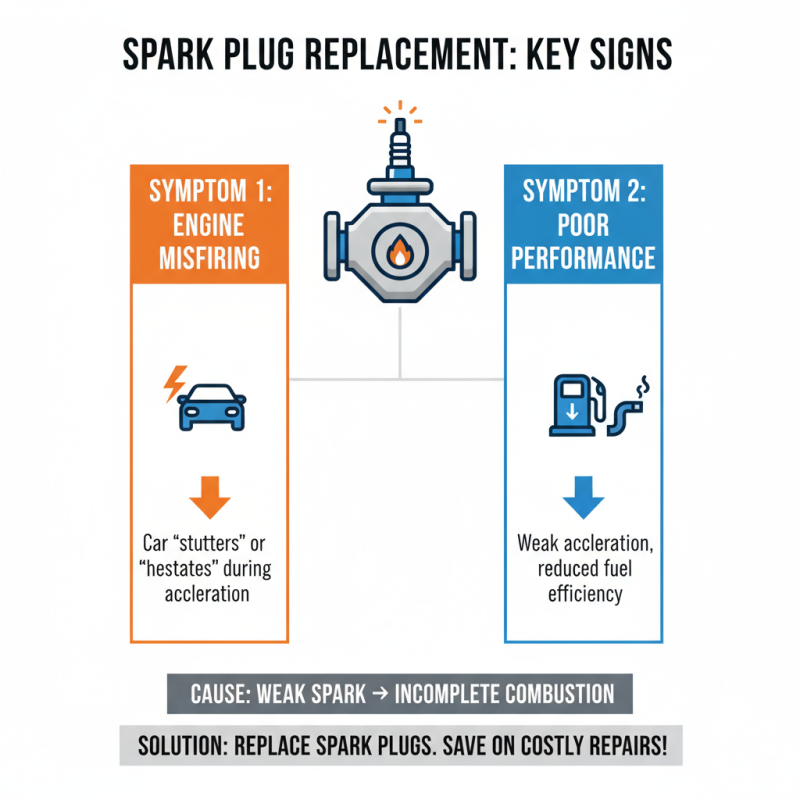
Spark plugs play a crucial role in your vehicle's performance. Recognizing when to replace them can save you from costly repairs. One major sign is engine misfiring. If your car hesitates or stutters during acceleration, it’s time to investigate. A weak spark can cause incomplete combustion, leading to poor performance.
Another indication is increased fuel consumption. If you find yourself filling up more often, worn-out spark plugs could be the culprit. A rough idle can also signal trouble. If your engine shakes when stationary, don’t ignore it. This could indicate that your spark plugs are not delivering consistent sparks.
Listen for unusual sounds as well. Knocking noises can suggest that the spark plugs are not firing correctly. Additionally, check for warning lights on your dashboard. Ignition issues often trigger alerts. Regular checks can help catch problems early. Ignoring these signs could lead to more significant issues down the road.
Step-by-Step Guide to Removing Old Spark Plugs Safely
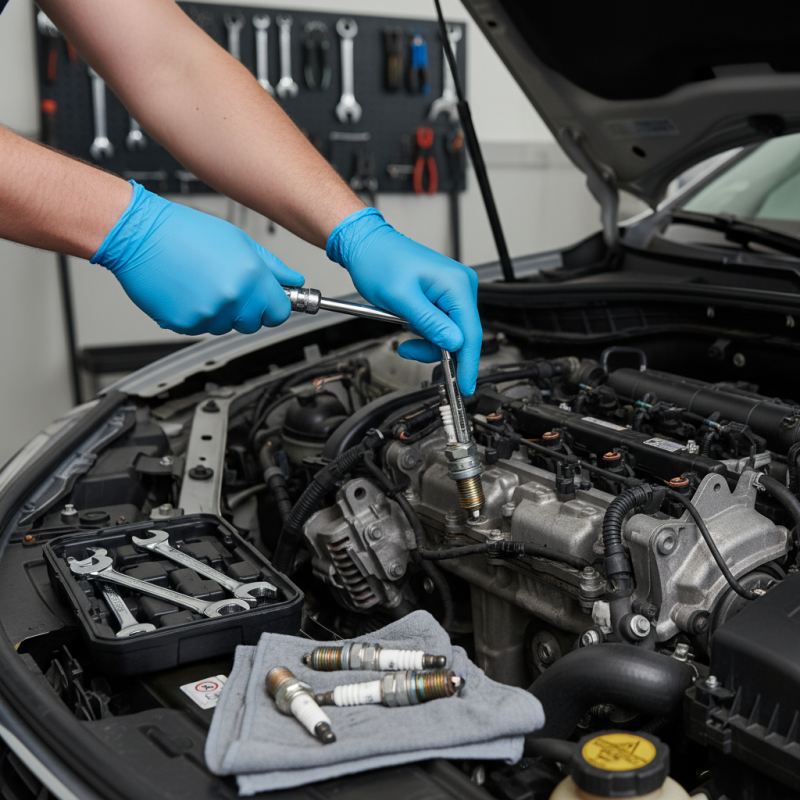
Removing old spark plugs can seem daunting. However, with the right approach, it’s achievable. Begin by gathering your tools: a spark plug socket, a ratchet, and a torque wrench. These tools will help ensure a smooth process. You might need a long extension for hard-to-reach plugs.
Before starting, ensure the engine is cool. Hot components can cause burns. Disconnect the battery to avoid accidental shorts. Use compressed air to clear debris around the spark plug area. Loose dirt can fall into the cylinder, potentially causing damage.
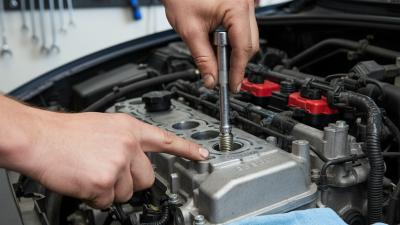
When removing the old spark plugs, turn them gently. Over-tightening can lead to stripping the threads, which is frustrating. Inspect the spark plugs once removed. Look for signs of wear like cracks or heavy carbon buildup. This inspection can provide insight into your engine's health. If the plugs look damaged, reflect on any potential issues. Perhaps the engine has underlying problems that need attention.
How to Choose the Right Spark Plugs for Your Vehicle
Choosing the right spark plugs for your vehicle is crucial. The correct spark plug ensures optimal engine performance. Many people overlook the specifics when selecting spark plugs. It’s not just about getting any part that fits.
Consider your vehicle's make and model. Different engines require different types of spark plugs. Materials also matter. Copper, platinum, and iridium plugs offer various lifespans and performance levels. Check the manufacturer's specifications for your vehicle. Ignoring these details can result in poor engine performance or reduced fuel efficiency.
Don't forget about heat range. Using a plug with the wrong heat range can damage your engine. It’s essential to match the plug correctly. Improper selection may lead to issues like misfiring. Sometimes, doing the extra research feels tedious. Yet, the benefits of proper spark plug selection far outweigh the effort. Your engine deserves that attention.
Top Tips for Spark Plug Replacement You Need to Know - How to Choose the Right Spark Plugs for Your Vehicle
| Vehicle Type |
Recommended Spark Plug Type |
Gap Size (mm) |
Torque Spec (Nm) |
Replacement Interval (miles) |
| Sedan |
Iridium |
0.7 |
20 |
30,000 |
| SUV |
Platinum |
0.8 |
25 |
60,000 |
| Truck |
Copper |
0.9 |
30 |
20,000 |
| Sports Car |
Iridium |
0.6 |
18 |
30,000 |
| Compact Car |
Double Platinum |
0.7 |
15 |
50,000 |
Best Practices for Installing New Spark Plugs Effectively
When replacing spark plugs, proper installation is crucial for optimal engine performance. According to industry studies, nearly 30% of spark plug failures stem from improper installation techniques. Start by ensuring the engine is cool to avoid any thermal shock. A common mistake is over-tightening plugs, which can lead to damage. Use a torque wrench for precise tension, typically recommended at 12 to 15 ft-lbs for most plugs.
Cleaning the threads and applying anti-seize compound can enhance the seal and facilitate future removal. Yet, many forget this step, leading to frustrating situations down the road. Precision matters here. Aligning the spark plug properly before tightening reduces the risk of cross-threading. It's important to recognize that a few misaligned turns can ruin a plug.
Inspections offer an opportunity for reflection. Check the ignition system and ensure the right gap for the spark plugs. A poor gap can lead to inefficient combustion. According to a report by the American Society of Automotive Engineers, a correctly gapped spark plug can improve fuel efficiency by up to 3%. When considering spark plug replacement, think about these nuances for effective installation.