Leave Your Message

What Are the Top Spark Plug Types in 2026?

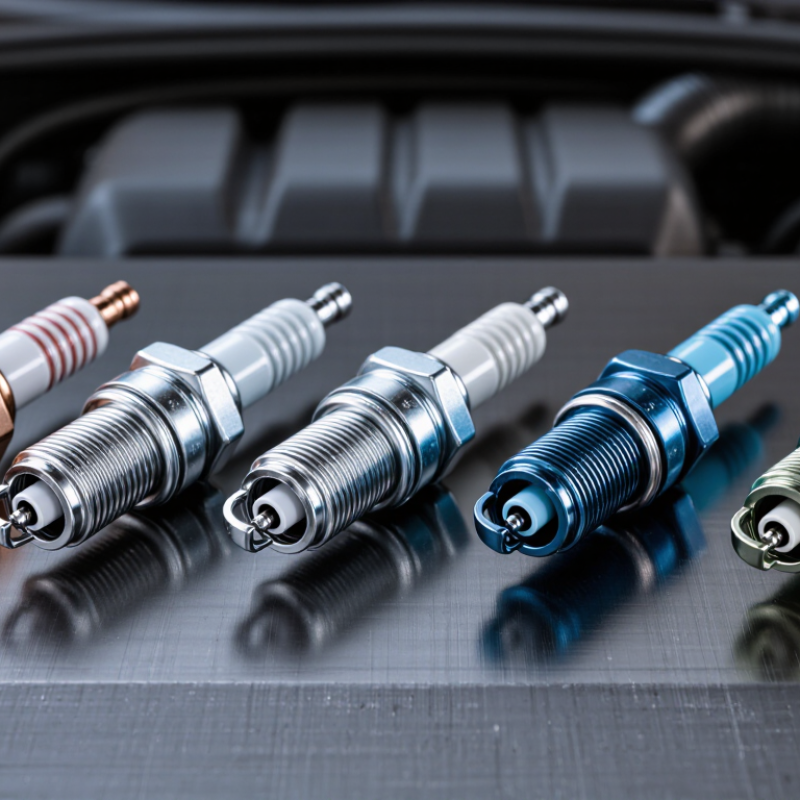
A 2026 Spark Plug comparison is not just a contest between copper, platinum, and iridium. The right choice depends on the engine, its operating conditions, and the manufacturer’s specifications. Electrode material affects service life and performance, but it cannot compensate for an incorrect heat range or gap. Small details matter.

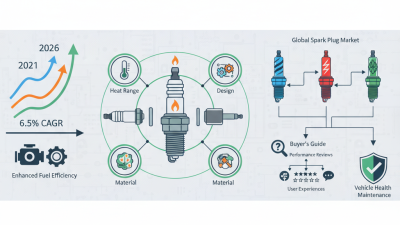
Market data helps explain why the category keeps evolving. Fortune Business Insights valued the global spark plug market at about $3.57 billion in 2023 and projected growth to $4.99 billion by 2032. That forecast does not tell drivers which plug to buy. It does show a substantial market shaped by replacement demand and changing vehicle technology. Forecasts, of course, are not guarantees.

MIT combustion researcher John B. Heywood’s work offers a useful engineering principle: ignition performance depends on the wider combustion system, not one component alone. In practical terms, a premium iridium plug is not automatically the best choice for every engine. This guide compares standard copper, platinum, double-platinum, iridium, and other specialist designs by durability, cost, and fitment. It also considers newer engines, where the manufacturer’s specified plug and service interval deserve close attention. There is a catch: product labels can make small differences sound decisive. Real-world results still depend on correct installation and engine condition. Expect clear comparisons, not a universal winner.
What Are the Top Spark Plug Types in 2026?

How Spark Plugs Ignite Fuel in an Engine

A spark plug starts combustion with a tiny, timed electrical arc. The ignition coil raises voltage to roughly 10,000–40,000 volts, a range described in SAE technical literature on ignition systems. The voltage forces current across the plug’s narrow electrode gap. A brief, hot plasma forms there. It heats nearby fuel and air until a small flame kernel can grow and spread through the cylinder. That flame, not the spark itself, releases most of the engine’s energy.

The mixture must be ready at the right moment. In-cylinder pressure makes the gap harder to fire, so required voltage changes with engine load, gap width, and electrode wear. Research summarized in John B. Heywood’s Internal Combustion Engine Fundamentals puts gasoline-air’s minimum ignition energy near 0.2 millijoules under favorable laboratory conditions.

Real engines need a practical margin; turbulence and a lean or diluted mixture can quench a young flame. Deposits matter, too. A faint orange spark on a bench may fail under compression. It is easy to overlook that difference. The spark plug is a small part, but its condition and heat range influence reliable ignition across thousands of cycles.
Which Spark Plug Designs Are Available in 2026?

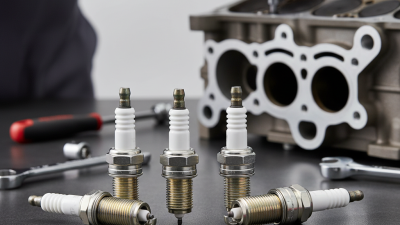
In 2026, spark plugs come in several designs, each suited to different engine requirements. Copper-core plugs use a nickel-alloy center electrode and conduct heat effectively. They are often affordable, but their electrodes generally wear faster than finer precious-metal designs. Platinum plugs typically last longer, while iridium’s narrow center electrode can support reliable ignition with less firing voltage. Actual service life depends on engine conditions and the maker’s maintenance schedule.

Electrode layout also varies. Single-platinum plugs place precious metal on the center electrode; double-platinum designs use it on both the center and ground electrodes. Some engines use multiple ground electrodes, which can offer several potential spark paths, though they do not automatically create more power. Resistor plugs reduce electrical interference that could affect vehicle electronics. Projected-tip and non-projected-tip designs position the firing end differently, so clearance and heat range must match the engine.

Fit matters most. Check the vehicle’s specified plug type, thread reach, heat range, and gap before buying or installing one. A plug that threads in may still be wrong. I would not call any design universally best; that sounds tidy, but ignores operating conditions. Short trips, heavy loads, and frequent cold starts can all affect wear. When a plug looks unusually wet, sooty, or damaged, inspect the underlying engine issue rather than changing materials alone. Small details matter.

What Are the Top Spark Plug Types in 2026?

Common spark plug designs, compared by the number of precious-metal firing surfaces.

Conventional copper-core plugs typically use a nickel-alloy firing tip, while platinum and iridium designs use precious metal on one or both firing surfaces. The counts show common design configurations, not a ranking of performance; exact construction varies by application. Always use the plug type specified for the engine.

How Copper, Platinum, and Iridium Plugs Differ

What Are the Top Spark Plug Types in 2026?
How Copper, Platinum, and Iridium Plugs Differ

Copper, platinum, and iridium plugs differ mainly in electrode material, durability, and cost. Copper plugs conduct heat and electricity well, and they are often less expensive. Their nickel-alloy firing ends wear faster, so replacement intervals may be shorter. Platinum plugs usually last longer, making them a practical middle ground for many engines. Iridium has a fine, hard electrode that can support reliable ignition over extended use. It often costs more. The best choice depends on the engine, not just the metal.

Tips: Check your owner’s manual before buying. Match the specified plug type, heat range, and gap; a plug that looks similar may still be unsuitable. If the engine misfires, inspect other causes too. Worn plugs are only one possibility.

It is tempting to treat the longest-life option as an automatic upgrade, but that shortcut misses compatibility. Some engines are calibrated for a specific electrode design, and changing it may not improve performance. Fit matters. A copper plug can be the right choice when the manufacturer specifies it, while a premium plug may make sense when it matches the original requirements. Keep the service schedule, too. Real-world wear can vary with driving habits, engine condition, and frequent short trips.

What Are the Top Spark Plug Types in 2026? — How Copper, Platinum, and Iridium Plugs Differ
Comparison Copper Platinum Iridium
Electrode design Usually a nickel-alloy center electrode with a copper core; “copper” describes the core, not generally the exposed firing tip. Uses a platinum firing surface, often as a small center-electrode tip; some designs also use platinum on the ground electrode. Uses a hard, wear-resistant iridium alloy, commonly formed into a fine-wire center electrode.
Typical service interval Often about 20,000–40,000 miles (32,000–64,000 km). Often about 60,000–100,000 miles (97,000–161,000 km), depending on design and engine. Often about 80,000–100,000 miles (129,000–161,000 km) or more in applications designed for extended-life plugs.
Wear resistance Generally wears faster at the firing tip, so the electrode gap may grow sooner. Better resistance to electrode erosion than conventional nickel-alloy firing surfaces. Very high wear resistance allows a small electrode to retain its shape over long service intervals.
Ignition characteristics The copper core helps conduct heat; ignition performance depends on the complete plug design and correct gap. A smaller firing tip can support reliable spark formation while resisting wear. Fine-wire construction can help the spark form with less voltage demand than a comparable larger-electrode design.
Relative purchase cost Usually the lowest initial cost. Usually costs more than conventional copper-core designs. Often the highest initial cost, offset in some applications by a longer replacement interval.
Common applications Engines specified for conventional plugs, including some older or performance applications that require frequent inspection or replacement. Many engines designed for longer-life plugs; double-platinum designs are used in some ignition systems that fire plugs in both voltage directions. Many modern engines whose specifications call for fine-wire, extended-life plugs.
Main trade-off Lower upfront cost, but typically more frequent replacement. Longer wear life at a higher cost; the exact design must suit the ignition system. Long wear life and a fine-wire tip, but not automatically suitable for every engine.
Important fitment note Choose the plug type, heat range, reach, seat, and gap specified for the vehicle. Service intervals vary by engine, plug construction, and operating conditions; the vehicle maintenance schedule takes priority over general ranges.

Which Spark Plug Types Suit Different Engines?

Choosing a spark plug starts with the engine, not the newest material. Check the owner’s manual for the specified plug design, heat range, and gap. Heat range matters: a plug must shed heat at the rate the engine needs. A plug that runs too cold may foul during short trips. One that runs too hot can increase the risk of pre-ignition. Small difference, serious consequences.

Copper-core plugs conduct heat well and can suit older engines that call for them, but their electrodes usually wear sooner. Platinum plugs generally last longer and may fit engines designed for extended service intervals. Iridium plugs use a fine, durable electrode, which can support reliable ignition in modern, tightly controlled engines. These materials are not automatic upgrades; the wrong specification can cause poor running or shorten plug life.

The ignition system also matters. Some waste-spark systems require double-platinum plugs because current travels across the electrodes in both directions. Resistor plugs help limit electrical interference and are common in modern vehicles. For a modified or heavily loaded engine, confirm the correct heat range with a qualified technician rather than guessing from appearance. I once thought a cooler plug was always safer. It isn’t. The engine’s design decides.

How to Choose a Spark Plug for Your Vehicle

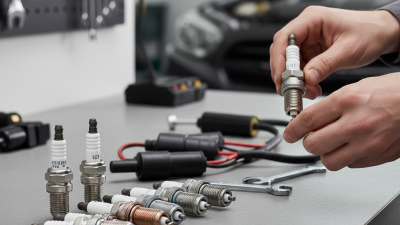
Choosing a spark plug starts with your vehicle’s engine, not a popularity list. Check the owner’s manual or service information for the correct plug specification, heat range, and electrode gap. These details vary by engine. A plug that fits the threads may still be unsuitable for combustion temperature or ignition needs.

Spark plugs may use copper, platinum, or iridium electrodes. Material affects service life and design, but it does not make one type right for every vehicle. Match the recommended construction and dimensions.

Also check whether the gap is preset; if adjustment is allowed, use a proper gauge and avoid forcing a delicate electrode. That matters.

Driving habits can shape maintenance needs, but they do not replace the manufacturer’s interval. Frequent short trips may leave deposits, while sustained heavy loads can increase operating stress. A rough idle or hard starting can point to plug wear, though other faults cause similar symptoms.

I would not guess from appearance alone; wear patterns can mislead without engine context. For modified engines or unclear specifications, have a qualified technician verify the fit before installation. The unglamorous manual check is often the step people skip.