Top 5 Gas Engine Spark Plugs Buyers Need to Know?
When it comes to maintaining your vehicle's performance, Gas Engine Spark Plugs play a critical role. These small but essential components ignite the air-fuel mixture in your engine, ensuring optimal combustion. An efficient spark plug can greatly influence your engine's power and efficiency.
Understanding the various options available can be overwhelming. Many buyers may not know what criteria to consider when choosing the right spark plug. Different materials, heat ranges, and designs can significantly affect performance. You may find that what works for one vehicle does not suit another, which adds complexity to the selection process.
Moreover, not all spark plugs are created equal. Some may fail faster than expected, while others may provide excellent longevity. This inconsistency makes it vital to seek reliable sources of information. In this guide, we'll explore five essential factors you should consider when buying Gas Engine Spark Plugs. Knowledge is key to making informed decisions.
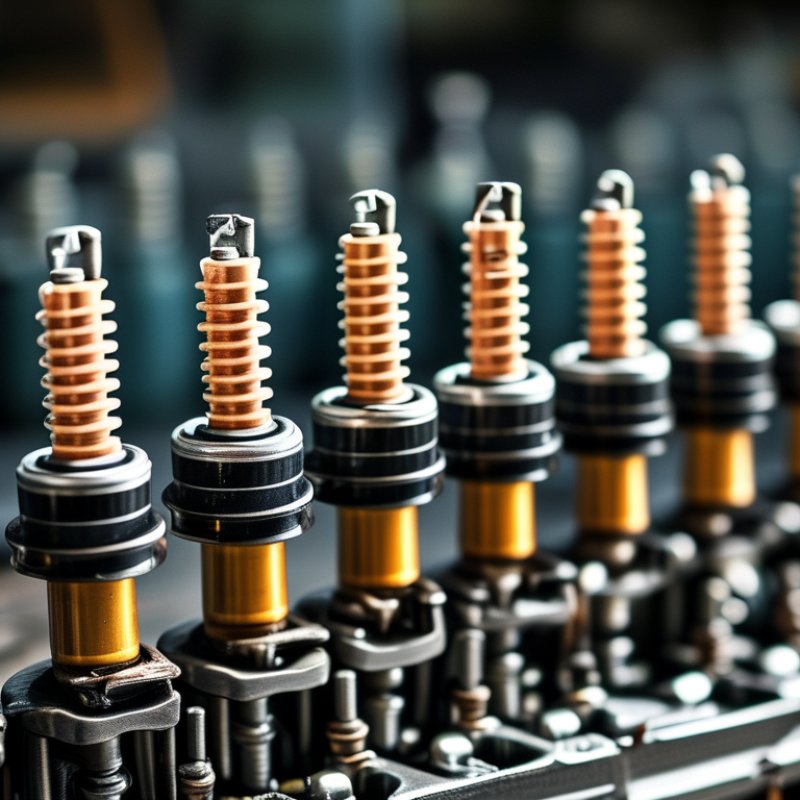
Understanding Spark Plug Types for Gas Engines
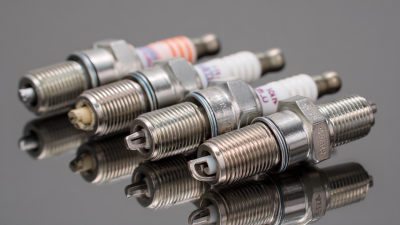
Understanding spark plug types for gas engines is crucial for optimal performance. Spark plugs ignite the air-fuel mixture, enabling combustion. A common type is the copper spark plug. These are affordable and effective but wear out quickly. According to industry data, they last around 20,000 miles.
Another popular option is platinum spark plugs. They tend to last longer, up to 100,000 miles. Although they are pricier, their longevity often justifies the cost. Iridium spark plugs are even more durable, offering exceptional performance for high-performance engines. They can last over 120,000 miles, making them ideal for rigorous use.
Tip: Always check your vehicle’s manual for the recommended spark plug type. Using an incompatible spark plug can lead to misfires and reduced efficiency. Additionally, pay attention to the gap size in spark plugs. Incorrect gaps can affect the spark intensity, leading to subpar engine performance. Regular inspection and replacement of spark plugs ensure your engine runs smoothly.
Key Features to Consider When Buying Spark Plugs
When selecting gas engine spark plugs, understanding key features is crucial.
First, check the heat range.
It affects how quickly the spark plug can transfer heat away. Choosing the right heat range ensures optimal engine performance and longevity.
An incorrect choice may lead to pre-ignition or fouling, impacting efficiency.
The design of the spark plug also matters. Look for one with a durable electrode.
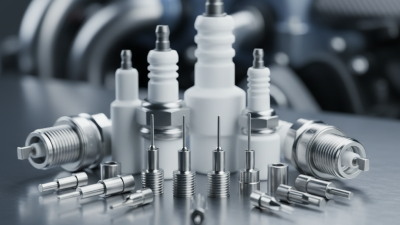
Copper, platinum, or iridium options may last longer and resist wear better. These materials can improve ignition efficiency, enhancing power and fuel economy.
However, not all vehicles require premium spark plugs. Consider your engine’s specifications before paying extra.
Finally, the gap size is essential for proper spark generation. Each engine has a specific gap requirement.
An incorrect gap may lead to misfires or hard starting. Some plugs come pre-gapped, but it's wise to double-check.
This attention to detail can prevent future headaches.
Remember, even small choices can significantly affect performance and reliability.
Make informed decisions for a smoother ride.
Top Brands of Gas Engine Spark Plugs on the Market
When choosing gas engine spark plugs, it's crucial to consider top brands available in the market. Each brand offers unique features tailored to various engines. Reliability and performance are key metrics often highlighted by experts. Look for spark plugs that balance longevity and ignition efficiency.
Tips: Always check the compatibility of spark plugs with your specific engine model. Don't just pick the cheapest option; sometimes, spending a little more can lead to better performance.
Another consideration is the materials used in construction. Copper, platinum, and iridium spark plugs have different properties. For instance, iridium spark plugs are known for their durability. They often last longer than traditional copper plugs. However, some users may find that these are not always necessary for regular engine maintenance.
Tips: Monitor your engine's response after installation. If you notice any hesitation or misfires, it might be time to reassess your choice. Regular inspections can prevent future issues. Understanding the performance characteristics can help make informed decisions.
How to Properly Install and Maintain Spark Plugs
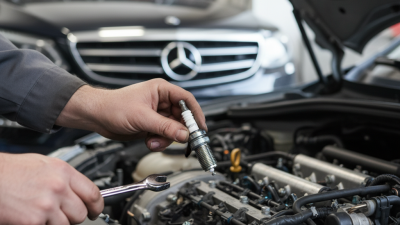
Installing and maintaining spark plugs is vital for optimal engine performance. A recent industry report found that improper installation can reduce spark plug lifespan by up to 50%. This emphasizes the need for careful handling during replacement. Begin by ensuring the engine is cool. Use a torque wrench to avoid over-tightening, which can damage both the plug and the cylinder head.
Regular inspection is crucial. Check for signs of wear or carbon buildup frequently. According to the Automotive Aftermarket Industry Association, routine maintenance can enhance engine efficiency by 20%. Ensure the spark plug gap is correct, as this affects ignition performance. A small misalignment can cause misfires or hard starts.
Tip: Always refer to your vehicle’s manual for specific installation instructions. What works for one engine may not apply to another. Cleaning the threads of the spark plug hole is important too. Debris can hinder the seal and promote leakage. Make it a habit to inspect these components regularly; neglect can lead to performance issues or costly repairs.
Top 5 Gas Engine Spark Plugs Performance Comparison
Common Spark Plug Issues and Troubleshooting Tips
When it comes to spark plugs, several common issues can arise. One significant problem is fouling. This occurs when carbon builds up on the electrode. Fouled plugs can lead to poor engine performance and misfires. Inspecting your spark plugs regularly helps identify fouling early. If you notice discolored or blackened tips, it's time to replace them.
Another common issue is wear and tear. Over time, the electrodes can wear down, affecting ignition efficiency. Engine vibrations and heat can exacerbate this issue. If you experience hard starting or reduced fuel efficiency, worn spark plugs could be the culprit. Regular checks can help. Pay attention to the signs.
Lastly, improper installation can lead to complications. Over-tightening spark plugs can cause damage to the cylinder head. Misalignment may also lead to decreased performance. Always consult manuals for precise installation guidelines to avoid these pitfalls. Understanding these issues can improve vehicle reliability and performance significantly.
Top 5 Gas Engine Spark Plugs Buyers Need to Know
| Spark Plug Type |
Common Issues |
Troubleshooting Tips |
Expected Lifespan (miles) |
| Copper |
Rapid wear, fouling |
Regular inspection and replacement every 20,000 miles |
20,000 |
| Platinum |
Less common fouling |
Check for corrosion, replace every 60,000 miles |
60,000 |
| Iridium |
Misfiring, sluggishness |
Inspect ignition system, replace every 100,000 miles |
100,000 |
| Double Platinum |
Overheating, gaps widening |
Monitor temperature, replace every 100,000 miles |
100,000 |
| Resistor |
Interference, engine noise |
Use proper wiring, replace every 30,000 miles |
30,000 |