Essential Tips for Choosing the Right Spark Plug Set?
Choosing the right spark plug set can significantly impact vehicle performance. A quality spark plug set ensures optimal ignition and better fuel efficiency. Without proper knowledge, drivers may overlook key factors, leading to poor engine performance.
Many options exist on the market, each designed for specific engines. Drivers often find themselves confused by the variety of choices. Considering factors such as materials, heat range, and gap sizes is crucial. Each detail can affect how well your engine runs. Emphasizing such points is essential for informed decision-making.
Not every spark plug set is created equal. Some brands might offer lower prices but compromise quality. It is vital to research manufacturers and read reviews. Ultimately, investing time in selecting the right spark plug set will enhance your vehicle’s longevity and reliability. Don't rush this decision; taking time for reflection is key.
Understanding the Different Types of Spark Plugs Available
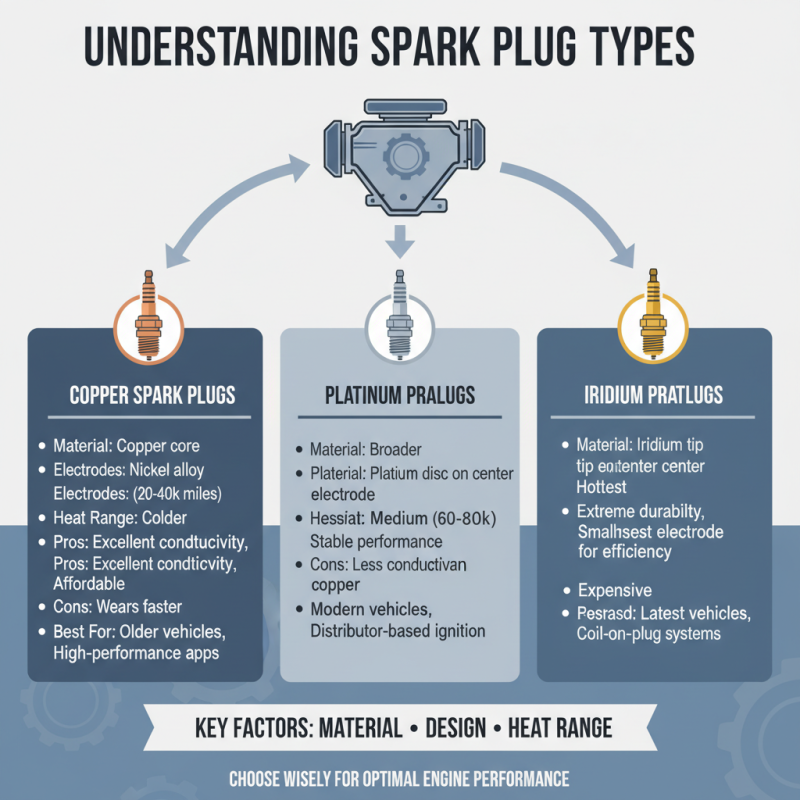
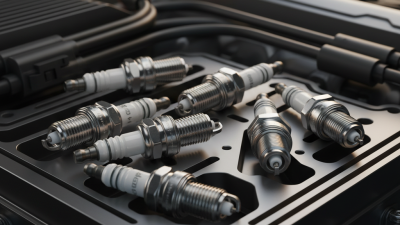
Choosing the right spark plug is vital for your vehicle's performance. Understanding the types of spark plugs available can make the decision easier. Spark plugs vary based on materials, designs, and heat ranges. Common types include copper, platinum, and iridium. Each type has distinct features and benefits.
Copper spark plugs are often less expensive but have a shorter lifespan. They are great for older engines but may not suit newer models. Platinum options last longer, providing improved performance. Iridium plugs offer durability and better ignition, suitable for high-performance engines.
Consider the manufacturer’s recommendations. Ignoring this can lead to compatibility issues. Check your vehicle’s manual for specifications. Additionally, assess your driving habits. If you frequently drive in harsh conditions, higher-quality spark plugs may be necessary. Always think about your budget, too. Higher price doesn’t always mean better performance. Prioritize based on your needs and vehicle type.
Key Factors to Consider When Selecting Spark Plug Sets
Choosing the right spark plug set requires careful consideration of several key factors. One crucial aspect is the heat range of the spark plugs. This determines how well they can transfer heat away from the combustion chamber. A plug with an incorrect heat range may cause misfires or damage your engine. It's essential to match the heat range with your vehicle’s engine specifications for optimal performance.
Another important factor is the spark plug material. Copper, platinum, and iridium have different performance characteristics. Copper plugs offer good conductivity, while platinum and iridium provide greater longevity. However, they can be more expensive. Assessing your driving conditions and budget can help you decide which material is best for your needs.
Finally, consider the manufacturer's recommendations. They often provide guidelines based on extensive testing. Ignoring these guidelines may lead to suboptimal engine performance. Regularly reviewing your choice and adapting to changes in your vehicle's performance can enhance efficiency in the long run.
How Spark Plug Heat Range Affects Engine Performance
Choosing the right spark plug set is crucial for optimal engine performance. One important factor to consider is the heat range of the spark plug. This range determines how quickly the plug dissipates heat. If the heat range is too low, the plug may overheat. An overheated spark plug can lead to pre-ignition, which is detrimental to the engine.
Conversely, if the heat range is too high, the spark plug may not reach the temperatures needed for proper combustion. This can result in insufficient ignition and increase the chances of fouling. The ideal heat range strikes a balance, allowing the engine to operate efficiently. Factors such as engine design, fuel type, and driving conditions can all influence which spark plug heat range is best.
It's important to check your engine’s specifications. Many personal observations suggest that even slight variations can impact performance. Not all vehicles react the same way to different sparks. Some may experience smoother acceleration while others might not feel a difference. This variability invites further exploration. Finding the right spark plug requires trial and assessment.
Essential Tips for Choosing the Right Spark Plug Set - How Spark Plug Heat Range Affects Engine Performance
| Spark Plug Type |
Heat Range |
Recommended Applications |
Impact on Performance |
| Copper Core |
Heat Range 5 |
Standard Vehicles, Daily Drivers |
Good for general use, provides stable performance. |
| Platinum Core |
Heat Range 6 |
Performance Vehicles, Longer Service Life |
Improved ignition efficiency and longer intervals. |
| Iridium Core |
Heat Range 7 |
High-Performance and Turbocharged Engines |
Provides excellent performance at high temperatures. |
| Double Platinum |
Heat Range 8 |
Luxury and Modern Vehicles |
Enhanced durability, suited for engines with sophisticated ignition systems. |
| Laser Iridium |
Heat Range 9 |
Racing and High-Performance Applications |
Superior performance, excellent throttle response. |
Installation Tips for Ensuring Proper Spark Plug Functionality
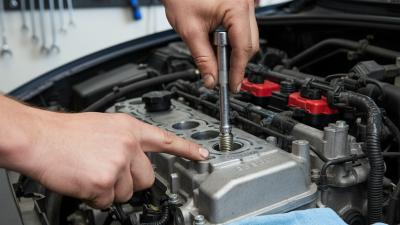
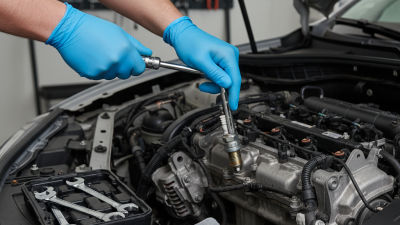
When installing spark plugs, proper technique is crucial. Always begin by ensuring that the engine is cool. This prevents damage to the spark plugs and surrounding components. A clean workspace can mitigate the risk of dirt entering the ignition system.
Using a torque wrench is essential. This tool helps prevent overtightening, which can damage the threads.
Pay attention to the gap between the electrode and the ground strap. If it’s not within the manufacturer's specifications, adjust it before installation. In many cases, an improperly gapped spark plug can lead to misfires or poor performance.
Checking for wear and corrosion is equally important. A worn spark plug can cause inefficient combustion, which may affect fuel economy.
After installation, inspect the spark plug wires or ignition coils. Ensure a snug connection to avoid potential misfires. Sometimes, overlooked details during installation can lead to issues later on. Always take your time; rushing can lead to mistakes.
It’s not just about fitting the plugs; it’s about ensuring they work effectively for optimal engine performance.
Common Mistakes to Avoid When Choosing Spark Plugs
When selecting spark plugs, common mistakes can lead to poor engine performance. One frequent error is ignoring the manufacturer’s specifications. Each engine has unique requirements. Using the wrong type may cause misfiring or reduced efficiency. Always check the recommended spark plug type and gap for your vehicle.
Another mistake involves price over quality. Opting for cheaper options might seem cost-effective. However, low-quality spark plugs can cause issues over time. They may wear out faster, leading to more frequent replacements and higher long-term costs. Investing in quality is crucial for longevity and performance.
One tip is to consider the heat range of the spark plug. A plug too hot can lead to engine pre-ignition. If it's too cold, it won't reach optimal temperature. This can cause carbon buildup. Pay attention to details like the construction material of the plug. Platinum and iridium options offer longer lifespans and better performance. Choose carefully, as it impacts your vehicle's overall health.