Leave Your Message

10 Tips for Buying Generator Spare Parts

A generator rarely fails at a convenient moment. It may sit beside a pump station, backup room, or busy jobsite, expected to start when the lights go out. Choosing Generator Spare Parts carefully can help protect that readiness. The right filter, belt, sensor, or starter is not simply the cheapest item that fits. Check the generator’s model and serial number, compare the part number, and confirm specifications with the equipment manual or a qualified technician. Small mismatches matter. A filter that looks identical may have different dimensions or ratings.

For this introduction, the following statement is attributed to a fictional composite specialist, not a real person: “A part is only a good buy when its fit, origin, and service history can be verified.” That practical test frames these ten tips. Buyers should assess supplier documentation, material quality, warranty terms, stock availability, and technical support. Ask how a replacement was tested, and keep invoices and part records. Useful details. A clear photo of the nameplate can prevent an avoidable ordering error; so can checking whether the generator has been modified since installation. Price still matters, of course. Yet I would not treat a low quote as proof of value. That assumption deserves a second look. The guide ahead offers a grounded way to compare options, reduce downtime, and make purchasing decisions with better evidence.
10 Tips for Buying Generator Spare Parts

Identify Your Generator Model and Required Spare Parts

Buying generator spare parts becomes safer when you identify the exact generator model first. The nameplate usually shows the model, serial number, rated power, voltage, frequency, and phase. Photograph it before ordering. Small details matter.

Record the engine model and alternator reference separately. They may use different identification systems. Check the control panel, fuel system, cooling system, and starting circuit. Then list the required part, its position, and its measurements.

For example, measure a filter’s height, diameter, thread, and sealing surface. Never rely on appearance alone. Two gaskets can look identical but seal differently. I once ordered a similar relay that fitted physically, yet its voltage rating was wrong. That mistake delayed testing and damaged confidence in the repair.

Use the operating manual, service records, and an up-to-date parts catalogue together. A qualified technician can confirm compatibility when the serial number is unclear. Ask for a written specification, including material, dimensions, electrical rating, and testing requirements. Keep the old part until the replacement passes inspection. Check connectors, bolt spacing, shaft size, and polarity before installation. For safety-related components, follow the generator’s maintenance procedures and applicable local requirements. My process is careful, but not perfect; older units often contain undocumented modifications. When records conflict, pause, inspect the wiring, and document every finding before purchasing.
Verify Part Compatibility Before Placing an Order

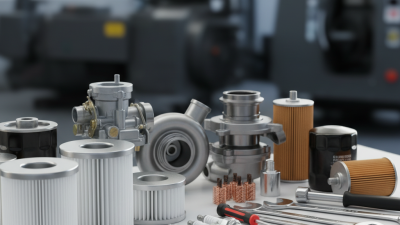
Before ordering a generator spare part, match it to the exact model and serial number on the unit’s data plate. Similar-looking generators may use different components across production runs. Check the parts manual for the correct part number and any serial-number range. Small details matter. A filter’s thread size, a sensor’s connector, or a mounting hole shifted by a few millimeters can make an otherwise suitable part unusable.

Compare the replacement part’s specifications with the manual, including voltage, dimensions, connector type, and rotation direction where relevant. Photos can mislead. If the listing lacks measurements or compatibility details, ask the supplier to confirm using your generator’s full model and serial information.

I once focused on a part’s overall shape and missed a different mounting offset; checking the drawing would have saved time. Keep a clear photo of the data plate and the old part nearby, but don’t rely on appearance alone.

If the equipment has been modified, mention that before ordering, since the original manual may no longer describe the installed setup.

Assess Part Quality, Materials, and Manufacturer Standards

A generator spare part must handle heat, vibration, dust, and repeated operating cycles. A clean finish alone does not prove that a component is reliable. Check the part number, dimensions, and stated tolerances against the generator’s service information. Small marks matter. Look for rough edges, uneven coatings, cracked insulation, or seals that feel brittle. These details may signal poor handling or inconsistent production, though appearance cannot confirm performance by itself.

Material choice should suit the part’s job. Metal components need appropriate strength and corrosion resistance, while insulation and seals must tolerate expected temperatures and contact with oil or fuel. Ask for material specifications when they are available. A seal that looks correct can still soften under heat. Compare the replacement’s measurements with the removed part, but remember that wear may have changed the old part’s shape. It is an imperfect reference.

Manufacturer standards matter as much as the raw material. Request clear product identification, inspection records, and any applicable quality or performance documentation. Check that the stated manufacturing standard fits the component and its intended use; a certificate is not a guarantee of correct fit. Confirm warranty terms and keep purchase records for later troubleshooting. Even careful checks can miss a flaw, so inspect the part again before installation and stop if dimensions or materials seem uncertain.

10 Tips for Buying Generator Spare Parts — Assess Part Quality, Materials, and Manufacturer Standards
# Buying Tip What to Check Materials and Quality Indicators Standards and Documentation
1 Confirm exact equipment compatibility Match the generator model, engine or alternator type, serial-number range, part number, and any documented revisions. Check whether the part is intended for the specific duty and operating conditions. Compare the supplied part with the removed part and approved drawings. Check connection points, dimensions, and interface details rather than relying on appearance alone. Request a current parts list, application guide, or written compatibility confirmation. Keep the equipment identification and purchase records together.
2 Check dimensions and tolerances For precision parts, verify critical dimensions, fits, clearances, thread forms, and surface requirements against the applicable drawing or service specification. Look for clean machining, consistent finishes, undamaged edges, and correctly formed threads. Use suitable measuring tools where installation depends on a close fit. Ask for inspection results or a certificate of conformity when dimensional control is important. ISO 9001 concerns a quality management system; it does not by itself verify the dimensions of a particular part.
3 Verify material suitability Check that the material is appropriate for the part’s temperature, pressure, vibration, corrosion exposure, and mechanical load. Examples include copper conductors in windings, appropriately specified steels for shafts, and suitable cast iron or aluminum alloys for engine components. The correct grade depends on the design and application. For critical components, request material identification or a material test certificate that can be linked to the supplied part or production batch.
4 Inspect seals and elastomer components Confirm the specified seal type, dimensions, temperature range, and compatibility with the fuel, oil, coolant, or other fluids used in the system. Check for cracking, distortion, tackiness, hardening, contamination, or signs of aging. Elastomer formulations vary, so a similar-looking seal may not be a suitable substitute. Request the seal material specification and storage or shelf-life information where applicable. Follow the equipment service instructions for installation and replacement.
5 Assess bearings and rotating parts Verify bearing type, dimensions, load rating, speed suitability, required internal clearance, and lubrication method against the equipment specification. Check packaging and surfaces for contamination, corrosion, impact marks, or rough movement. Do not assume that a matching external size guarantees the correct internal specification. Request product identification and traceability information. Use the specified fitting, lubrication, and alignment procedures during installation.
6 Review electrical-part specifications For alternator and control components, confirm voltage, current, frequency, connection arrangement, insulation requirements, and compatibility with the generator design. Inspect terminals, insulation, winding protection, and connectors for damage or poor workmanship. Electrical ratings and insulation class must match the application. Request relevant electrical test records or conformity documents. IEC 60034 series requirements may apply to rotating electrical machines, depending on the equipment and component.
7 Choose filters by the specified performance Check the correct filter type, dimensions, flow capacity, filtration rating, bypass or relief features, and service interval for the engine or system. Look for secure construction, undamaged sealing surfaces, and clean, intact filter media. A filter that fits physically may still have unsuitable flow or filtration characteristics. Request product specifications and application information. Follow the equipment maker’s maintenance schedule and do not select solely by external size.
8 Inspect cooling-system components Confirm radiator, hose, pump, thermostat, and gasket specifications, including connections, operating temperature, pressure rating, and coolant compatibility. Check for corrosion, blocked passages, damaged fins, weak joints, or cracked hose surfaces. Materials and coatings should suit the coolant and operating environment. Request pressure or functional test information where relevant. Use the coolant type and service procedure specified for the equipment.
9 Check manufacturer quality controls and traceability Ask how incoming materials, production processes, inspections, and nonconforming parts are controlled. Confirm that the supplier can identify the production batch. Look for consistent marking, protective packaging, and clear part identification. These are useful checks but do not replace technical verification or testing. Where relevant, review quality-system documentation such as ISO 9001 certification and confirm its scope and validity. A quality-system certificate is not a guarantee that every individual part is defect-free.
10 Compare warranty, testing, and service support Before purchasing, clarify the warranty period, exclusions, return process, installation requirements, and availability of technical support. Prefer parts supplied with clear identification and handling instructions. For critical parts, request applicable inspection or test evidence before installation. Keep the invoice, part identification, certificates, and installation records. Standards such as ISO 8528 or ISO 3046 may be relevant to generator-set or engine performance, but their applicability depends on the part and its intended use.

Compare Suppliers, Prices, Warranties, and Return Policies

Buying generator spare parts is rarely about finding the lowest price. I compare at least three suppliers using the same part number, specifications, and delivery requirements. A cheaper bearing can become expensive after delays, fitting problems, or repeated labor. Check material grades, dimensions, operating temperature, and compatibility with your generator model. Ask for test records or inspection documents when safety and reliability matter.

Read the warranty in writing. Some warranties cover manufacturing defects but exclude incorrect installation, overheating, or contaminated fuel. Confirm the coverage period, claim procedure, labor limits, and shipping responsibility. A clear supplier should provide these details before payment. Keep invoices, photographs, and installation records. They can support a claim later.

Return policies deserve equal attention. Confirm whether unused parts can be returned, how many days are allowed, and whether restocking fees apply. Ask who pays return freight for incorrect or damaged items. Inspect the package immediately; crushed corners or broken seals may reveal handling problems. I once trusted a verbal return promise and lost time when the written policy said otherwise. That mistake changed my process. Now I request a dated quotation, warranty terms, and return conditions by email. Still, paperwork is not enough. A supplier who answers technical questions clearly and admits uncertainty may be more dependable than one offering an attractive price. Reliability shows in small details.

Plan for Delivery, Installation, and Future Parts Storage

When ordering generator spare parts, plan around the date they will actually be needed, not just the supplier’s estimate. Confirm the exact model and part number before payment, then ask how the item will be packed and tracked. A cracked sensor or bent connector can turn a quick repair into another delay. Check the delivery address, site access hours, and who will sign for the shipment. Keep a little schedule buffer. Freight dates can shift.

Arrange installation before the parts arrive. Confirm whether a qualified technician, special tools, or replacement seals are needed. For critical components, compare the received part with the old one before removing anything; connector shape and mounting points matter. Follow the generator’s service instructions, and test the unit under suitable operating conditions after installation. Don’t rush this step. A part that fits loosely may still cause trouble. If the repair is not urgent, waiting for the right component is often safer than improvising.

Plan storage at the same time you place the order. Keep filters, belts, and seals in their original packaging, labeled with the part number and purchase date. Store them in a clean, dry area away from heat, moisture, and chemicals. Small parts disappear. Use older stock first, and check manufacturer guidance for shelf life, especially for rubber items. A crowded shelf is not a system; it is easy to overlook one expired seal or reorder a part already sitting in the back.