Leave Your Message

What Is a Spark Plug Set and Which Type Do I Need?

Choosing a Spark Plug Set can look simple. It is not always simple.

A Spark Plug Set contains several plugs designed for one engine application. Each plug must match the engine’s thread size, reach, heat range, electrode design, and ignition system. A wrong match may cause hard starting, rough idling, poor fuel economy, or misfiring. Small differences matter. A plug that looks almost identical may still be unsuitable.

Automotive technical writer Larry Carley describes the spark plug as “the window into the combustion chamber.” This practical comparison explains its value. After removal, a plug can reveal carbon deposits, oil contamination, overheating, or abnormal combustion. It is not a perfect diagnosis, though. Reading plug color alone can mislead modern engine owners.

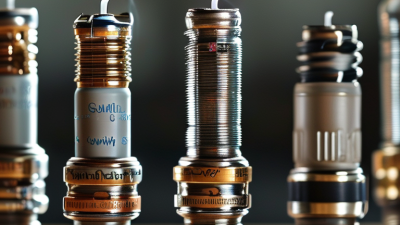
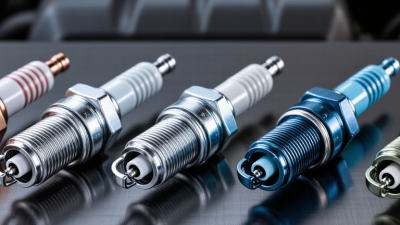
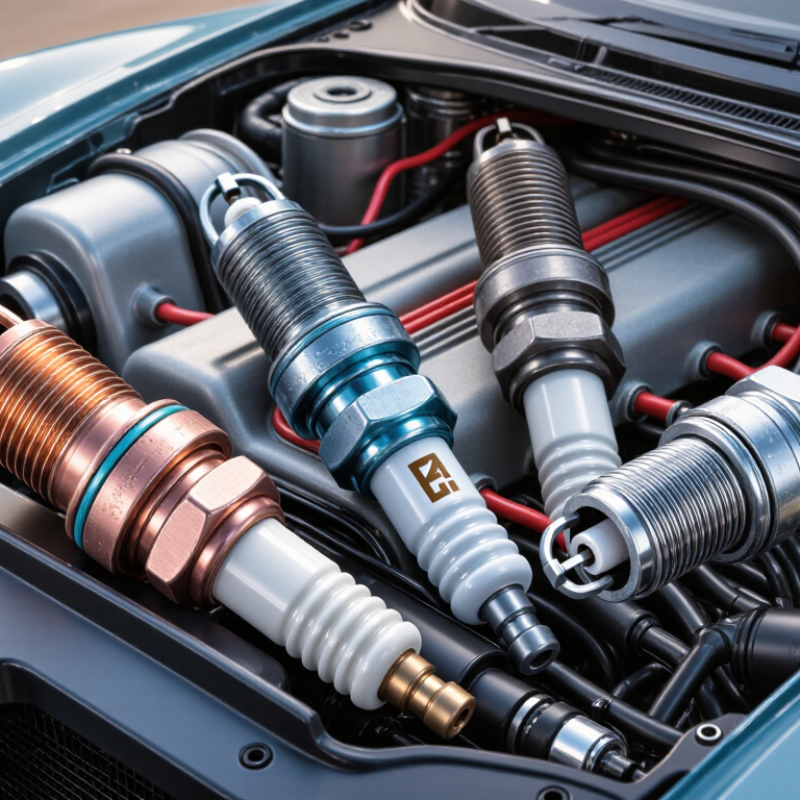
Copper-core plugs usually offer dependable performance at a lower price. Platinum plugs often provide longer service life. Iridium plugs typically use a fine center electrode and require less firing voltage. Some engines need resistor plugs to reduce electronic interference. The vehicle manufacturer’s specification remains the safest guide.

Check the owner’s manual before buying. Confirm the exact engine code, plug part number, gap specification, and recommended replacement interval. Do not assume every plug in a four-pack fits your vehicle. Even experienced technicians occasionally trust appearance too much. That is a mistake worth avoiding.

The right Spark Plug Set should support stable combustion, clean starts, and consistent engine performance. Fit matters more than marketing claims. Reliability begins with accurate identification.
What Is a Spark Plug Set and Which Type Do I Need?

What a Spark Plug Set Includes: Quantity, Thread Size, and Heat Range

What Is a Spark Plug Set and Which Type Do I Need?

A spark plug set usually contains one plug for each cylinder, but that rule is not universal. Some engines use two plugs per cylinder, so the correct quantity comes from the engine’s service specification. The 2024 S&P Global Mobility vehicle-age study placed the average U.S. vehicle age at about 12.6 years. Older vehicles often need careful verification, not guesswork.

Thread size is only one part of fitment. Check thread diameter, pitch, reach, seat design, and terminal style. Common thread sizes include M14 × 1.25, M12 × 1.25, and M10 × 1.0, but appearance can mislead. A plug with the wrong reach may touch internal engine parts or sit too high. That mistake can become expensive. SAE J548 guidance and manufacturer service data remain useful technical references for plug dimensions and performance requirements.

Heat range controls how quickly the plug transfers heat into the cylinder head. It is not a power rating. Higher numbers do not mean the same temperature across all manufacturers, so compare only within the specified product system. Many technicians also verify the electrode gap and tightening torque with a calibrated tool. I still double-check both, especially after replacing a damaged plug. Small errors matter. A suitable set matches quantity, thread dimensions, reach, seat type, heat range, and the engine’s exact application.

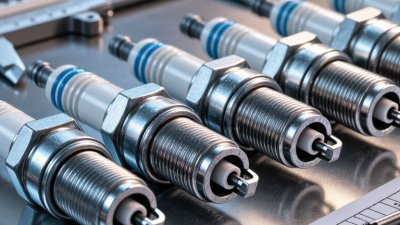
How Spark Plugs Ignite Fuel: Heat Ratings from 450–850°C

What Is a Spark Plug Set and Which Type Do I Need?

A spark plug set is a matched group of plugs designed for one engine configuration. Each plug delivers the ignition spark, but its heat range also matters. The heat rating describes how quickly the plug transfers heat into the cylinder head. It does not mean the plug always operates at one fixed temperature.

Most plugs need a firing-tip temperature near 450–850°C. Around 450°C, deposits can burn away during normal driving. Below that point, fouling may develop, especially with short trips. Near 850°C, the plug can become dangerously hot. Pre-ignition may occur, damaging pistons or valves. A colder plug removes heat faster, while a hotter plug keeps more heat at its tip. The exact boundary is not absolute. Engine load, fuel mixture, ignition timing, and airflow all change the result. A common mistake is choosing by appearance alone. The correct type depends on the engine manual and its actual operating conditions.

Tips: Match the specified thread, reach, seat, and heat range. Inspect the old plug for clues. Dry black deposits can suggest weak combustion, while pale or blistered electrodes may indicate excessive heat. Check carefully. Modified engines may need a different range, but guessing remains risky. I once treated a heat rating as a simple temperature label; that view was incomplete. It is better understood as a controlled path for heat.

Copper, Platinum, and Iridium Plugs: Typical 20,000–100,000-Mile Life

What Is a Spark Plug Set and Which Type Do I Need?

A spark plug set includes every plug required by the engine, matched for heat range, thread size, and gap. Copper plugs usually serve about 20,000–30,000 miles. Platinum versions commonly reach 50,000–60,000 miles. Iridium plugs often last 80,000–100,000 miles. These figures are practical ranges, not promises. Short trips, oil contamination, rich fuel mixtures, and repeated cold starts can shorten them sharply.

The U.S. Department of Energy’s Vehicle Technologies Office links worn ignition components with misfires and reduced fuel efficiency. EPA emissions guidance also identifies misfire as a serious source of increased pollutants. A technician should inspect the removed plug, not just read the odometer. A rounded electrode, heavy ash, or a wet black tip tells a more useful story. Check the vehicle’s service schedule before choosing a longer-life plug. The most expensive type is not automatically the best match. Copper may suit an older engine designed around frequent replacement. Platinum or iridium may reduce service work in engines requiring precise ignition. Still, replacing only one damaged plug can create uneven performance. I used to view mileage ratings as firm deadlines; that was too simplistic. Driving conditions and engine health matter more than the package number.

How to Match Plug Gap, Reach, and Design to Your Engine

A spark plug set is a matched group of plugs for every cylinder, but “matching” means more than counting holes. The plug must fit the engine’s thread diameter, reach, and seat type. Reach is especially important. A plug that is too long may contact a piston or valve. A short plug may leave threads exposed to carbon and weaken combustion.

Plug gap also deserves careful attention. It controls the distance the spark must cross. A wider gap can improve flame development, but it may overload a weak ignition system. A narrow gap can cause a smaller, less efficient spark. Check the engine service manual, then measure each plug with a wire or feeler gauge. Do not trust the package setting blindly; gaps can shift during handling. I have seen careful installations fail because one plug was never measured.

Tips: Match the heat range and electrode design to the engine’s original specification. Choose a projected tip only when the cylinder head allows it. Confirm gasket or tapered seating before installation. Keep the ceramic insulator clean, and tighten the plug with a torque wrench. Too loose can cause heat loss or vibration. Too tight can damage the threads. Even experienced mechanics occasionally miss a small reach difference, so compare the old and new plugs side by side before fitting them.

Choosing the Right Set by Engine Code, Driving Conditions, and Service Data

What Is a Spark Plug Set and Which Type Do I Need?

A spark plug set must match the exact engine code, not only the vehicle model. Service data should confirm thread size, reach, seat design, heat range, and required gap. A plug that fits physically may still deliver the wrong heat transfer or ignition performance. Check the engine identification label, repair manual, and current service schedule before ordering. Small details matter.

Driving conditions also influence the correct replacement interval. Frequent short trips can leave deposits because the engine rarely reaches full operating temperature. Towing, high engine speeds, dusty roads, and repeated cold starts add stress. The U.S. Department of Energy reports that aggressive driving can reduce fuel economy by 15–30% on highways and 10–40% in stop-and-go traffic. That figure does not prove worn plugs caused the loss, but it shows how operating habits complicate diagnosis.

Use inspection data, not guesswork. A technician should check gap wear, cracked ceramic, deposits, misfire records, and ignition-coil condition. EPA maintenance guidance also supports following manufacturer service intervals for emissions performance. Replace the full set when the service data recommends it, especially on engines with difficult access. I have seen one overlooked gap create a false repair path. Recheck the basics. Sometimes the “better” plug is simply the precisely specified one.