Why Are Natural Gas Spark Plugs Essential for Engine Efficiency?
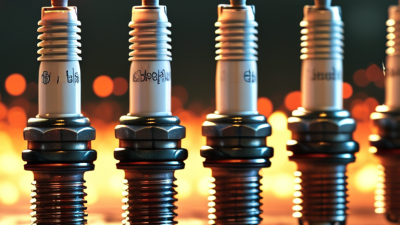
Natural gas spark plugs play a crucial role in shaping engine efficiency. Their unique design allows them to ignite natural gas, which burns cleaner than traditional fuels. This contributes to reduced emissions and improved environmental performance. As engines evolve toward greener technologies, the significance of natural gas spark plugs becomes even clearer.
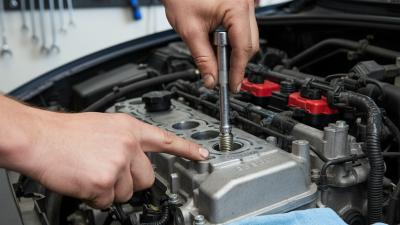
However, the effectiveness of these spark plugs can vary based on quality and compatibility. Poorly manufactured plugs may lead to misfires, reducing engine efficiency. It's essential to choose reliable brands and perform regular maintenance. This ensures optimal performance and longevity of the spark plugs, ultimately enhancing the vehicle's overall efficiency.
Understanding the mechanics behind natural gas spark plugs can reveal their importance in modern engines. Their ability to enhance combustion efficiency is not just a technical detail; it's a step toward sustainable driving. As the automotive industry shifts, embracing these innovations is more important than ever.
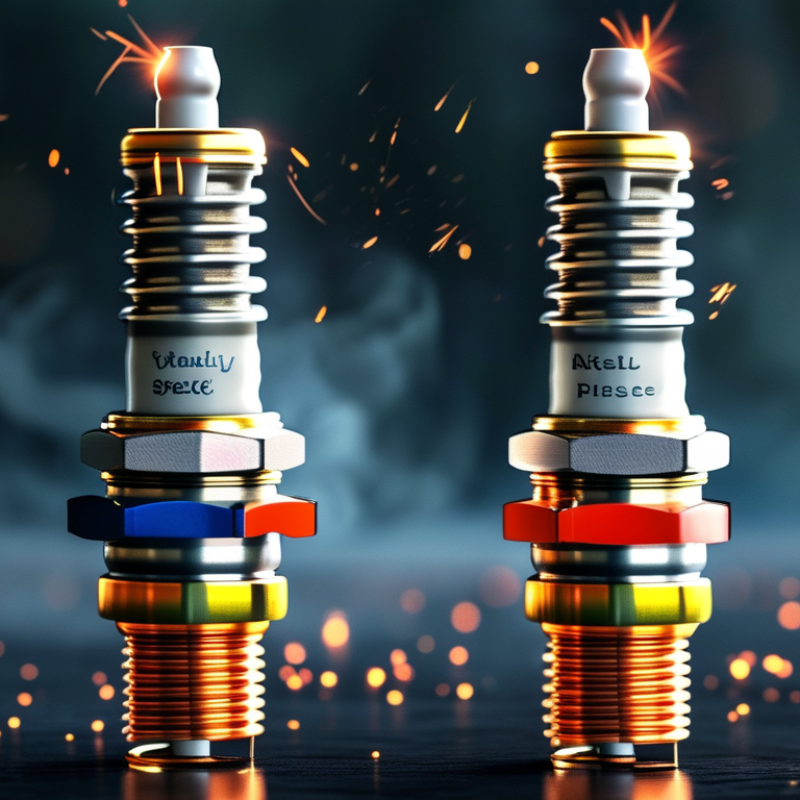
What Are Natural Gas Spark Plugs and Their Function in Engines?
Natural gas spark plugs play a critical role in enhancing engine efficiency. These components are designed to ignite the natural gas-air mixture in the combustion chamber. When the mixture is ignited, the resulting energy powers the engine. According to a report by the U.S. Department of Energy, vehicles that utilize natural gas can achieve a 20% reduction in greenhouse gas emissions compared to gasoline engines. This demonstrates the environmental benefits of using natural gas as a fuel source.
The function of natural gas spark plugs goes beyond ignition. They need to maintain optimal performance under varying conditions. Heat levels in the combustion chamber can fluctuate significantly, affecting ignition reliability. If the spark plug fails to ignite the mixture promptly, engine performance suffers. Research by the Society of Automotive Engineers indicates that improper spark plug function can lead to efficiency losses of up to 10%. This shows that not all spark plugs are created equal, underscoring the need for quality products.
Notably, the lifespan of natural gas spark plugs varies. Some may last 30,000 miles, while others can fail after just 10,000 miles. Factors such as fuel quality and engine tuning play a significant role. Consequently, regular maintenance is essential to ensure these components are functioning optimally. Waiting too long to replace spark plugs can lead to decreased performance and increased emissions, prompting the necessity for proactive management.
Key Advantages of Natural Gas Spark Plugs Over Traditional Options
Natural gas spark plugs are becoming crucial for enhancing engine efficiency. Unlike traditional spark plugs, they are designed specifically to optimize the combustion process in natural gas engines. Research shows that natural gas engines can achieve a thermal efficiency of up to 45%, compared to 30-35% for gasoline engines. This improvement is largely due to the cleaner-burning properties of natural gas, which leads to less carbon buildup and prolonged engine life.
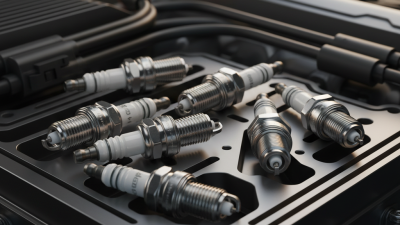
The advantages of natural gas spark plugs stem from their unique materials and design. They often utilize iridium or platinum, which provide better durability and a longer lifespan. This reduces maintenance costs and ensures consistent performance. Furthermore, natural gas spark plugs can ignite fuel-air mixtures more effectively. This efficiency can result in a reduction of emissions by as much as 25%. However, improper installation or low-quality spark plugs can negate these benefits, highlighting the importance of using reliable components.
Transitioning to natural gas spark plugs may come with challenges. Some users report initial performance discrepancies compared to gasoline plugs. This can stem from tuning issues or engine compatibility. Thus, thorough research and professional guidance are vital when switching. Proper adjustments and understanding the engine's requirements will help realize the full benefits of using natural gas spark plugs in an efficient engine setup.
Impact of Spark Plug Design on Engine Efficiency and Fuel Consumption
The design of spark plugs significantly affects engine efficiency and fuel consumption. Natural gas engines benefit from spark plugs that enhance ignition. A study by the Society of Automotive Engineers found that optimized spark plug designs can improve fuel efficiency by up to 15%. This enhancement not only boosts performance but also reduces carbon emissions.
Key factors in spark plug design include electrode material and gap spacing. Advanced materials, like iridium, offer durability and better conductivity. Research indicates that the optimal gap can lead to a more complete combustion process, which translates to lower fuel consumption. However, finding the right balance is crucial. Too wide of a gap can lead to misfires, and too narrow can cause incomplete combustion.
These nuances show the complexity of spark plug design. Many overlook these details, leading to inefficient engine performance. Engines with poorly designed spark plugs may struggle with starting and consume more fuel. Therefore, investing in high-quality spark plugs is vital for maximizing engine efficiency.
Performance Data: Natural Gas Spark Plugs in Various Engine Types
Natural gas spark plugs are crucial for optimizing engine performance. They ignite the fuel-air mixture within the combustion chamber, ensuring efficient fuel consumption. In various engine types, from natural gas vehicles to industrial engines, these spark plugs play a vital role. Their unique design accommodates the specific combustion characteristics of natural gas.
Performance data shows that these spark plugs can enhance power output and reduce emissions. Engines optimized with natural gas spark plugs tend to achieve better efficiency. However, not every engine benefits equally. Variables such as engine design and fuel quality can impact performance. Some users report inconsistent ignition timing, which may lead to decreased efficiency.
In engines operating at high temperatures, spark plug durability can be a concern. The intense heat may cause quicker wear and failure. Understanding the limitations of natural gas spark plugs is essential for maintenance. Regular testing and adjustments are necessary to keep engines running smoothly. Continuous monitoring of performance data helps identify potential issues early.
Why Are Natural Gas Spark Plugs Essential for Engine Efficiency? - Performance Data: Natural Gas Spark Plugs in Various Engine Types
| Engine Type |
Spark Plug Type |
Heat Range |
Efficiency Improvement (%) |
Lifespan (miles) |
| Compressed Natural Gas (CNG) Truck |
Iridium |
6 |
15 |
150,000 |
| Natural Gas Passenger Vehicle |
Platinum |
5 |
10 |
100,000 |
| Industrial V8 Engine |
Copper |
7 |
12 |
75,000 |
| Heavy-Duty Buses |
Iridium |
5 |
20 |
120,000 |
The Role of Ignition Timing in Maximizing Engine Efficiency with NG Spark Plugs
Ignition timing is crucial for maximizing engine efficiency, especially with natural gas spark plugs. Proper timing ensures the air-fuel mixture ignites at the right moment, optimizing combustion. According to the U.S. Department of Energy, precise ignition timing can increase a vehicle’s fuel economy by up to 10%. This is significant for those looking to balance performance with cost-effectiveness.
In engines using natural gas, improper timing can lead to backfire, reduced power, and increased emissions. A study from the National Renewable Energy Laboratory found that engines that adjusted ignition timing correctly could lower NOx emissions by 30%. Additionally, achieving the ideal timing can improve throttle response. However, achieving this perfect timing is challenging. Factors like engine load, speed, and temperature must be considered. Small miscalculations can lead to inefficiencies.
Developing an effective ignition timing strategy requires expertise and consistent testing. Engine parameters must be monitored closely. The transition to natural gas requires adjustments in traditional methods of timing. Collaborating with experts in automotive engineering is key to optimizing these systems. This careful balance is essential for realizing the full benefits of natural gas spark plugs and maintaining engine performance.
Impact of Ignition Timing on Engine Efficiency with Natural Gas Spark Plugs
This chart illustrates the impact of ignition timing on engine efficiency when using natural gas spark plugs. Optimal ignition timing results in the highest engine efficiency, while poor timing leads to a significant drop in performance.