Why Are Gas Spark Plugs Important for Engine Performance?
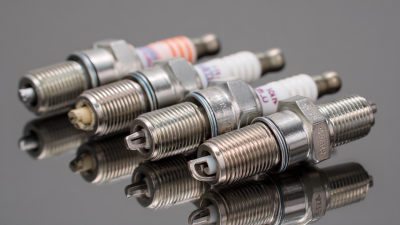
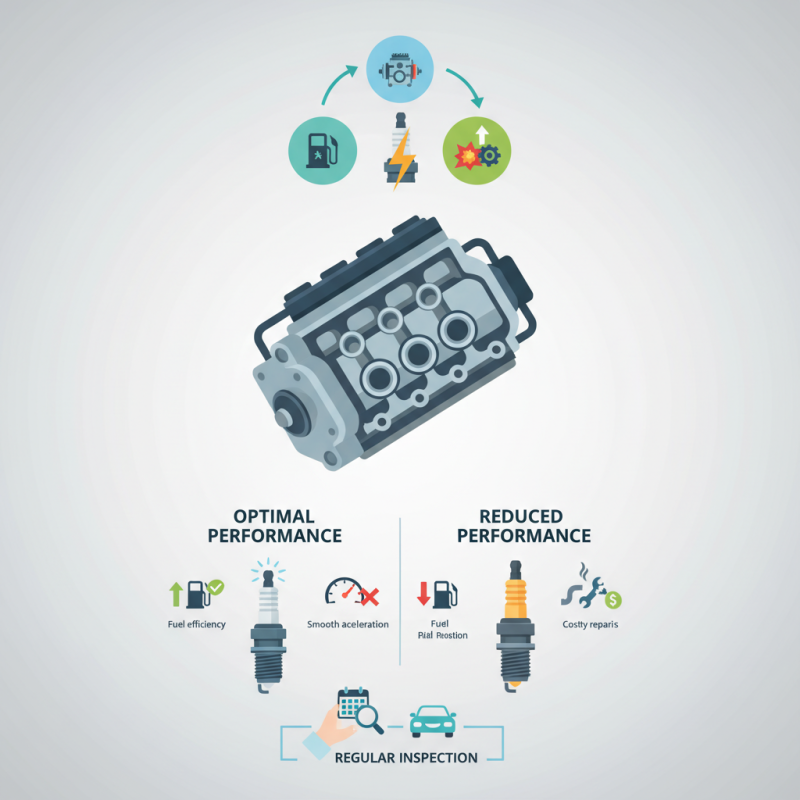
Gas Spark Plugs play a crucial role in the performance of an engine. They ignite the air-fuel mixture in the combustion chamber. This ignition is vital for generating power. When gas spark plugs fail, the engine can misfire. This leads to poor fuel efficiency and reduced power.
Engine performance is often affected by the quality of the spark plugs. Worn or dirty spark plugs can cause starting issues. They can also lead to increased emissions. Regular inspection of gas spark plugs is essential to maintain optimal performance. Owners often overlook this crucial maintenance task. Ignoring it can result in costly repairs.
Understanding the importance of gas spark plugs can improve vehicle reliability. They ensure smoother starts and better acceleration. Regular checks can help you avoid unexpected breakdowns. Investing in quality spark plugs pays off in the long run. However, many drivers take them for granted. It's time to pay more attention to these small yet essential components.
The Role of Gas Spark Plugs in Internal Combustion Engines
Spark plugs play a crucial role in the operation of internal combustion engines. They ignite the air-fuel mixture in the combustion chamber. This ignition process creates the power needed to move the vehicle. A well-functioning spark plug ensures efficient fuel combustion, leading to better engine performance.
However, it's important to note that spark plugs can wear out over time. A worn spark plug may cause misfires. This leads to reduced power and lower fuel efficiency. Drivers might notice engine hesitation or a rough idle. Regular maintenance checks can help identify spark plug issues early. Neglecting this can lead to more significant engine problems down the road.
The gap of the spark plug is also vital. It affects how well the plug generates a spark. If the gap is too wide or too narrow, issues arise. For instance, too much gap can lead to weak sparks. On the other hand, too little gap can cause the plug to foul quickly. This delicate balance requires attention and sometimes adjustment. Keeping this in mind ensures optimal engine performance.
Why Are Gas Spark Plugs Important for Engine Performance?
| Dimension |
Description |
Impact on Engine |
| Ignition Timing |
The precise moment the spark plug ignites the air-fuel mixture. |
Improper timing can lead to reduced power and efficiency. |
| Spark Plug Gap |
The distance between the center and ground electrode. |
Affects the strength and quality of the spark; too wide or too narrow can cause misfires. |
| Heat Range |
The temperature range at which the spark plug operates effectively. |
Incorrect heat range can lead to pre-ignition or fouling. |
| Material |
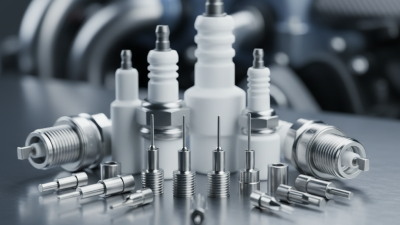
The substance from which the spark plug electrodes are made (e.g., copper, platinum). |
Different materials impact durability and conduction efficiency. |
| Maintenance Interval |
Recommended replacement frequency based on usage. |
Neglecting to replace plugs can lead to poor engine performance and higher emissions. |
How Spark Plugs Ignite the Air-Fuel Mixture
Spark plugs play a crucial role in engine performance. They ignite the air-fuel mixture inside the combustion chamber. This ignition is essential for creating power. When the spark plug fires, it produces an electrical spark. This spark ignites the compressed fuel-air blend. The result? A small explosion that drives the piston down.
However, not all spark plugs perform equally. Factors like wear and deposits affect their efficiency. A fouled spark plug may misfire. This can lead to a rough idle or decreased power. Even minor inefficiencies in sparking can cause significant engine issues. If the air-fuel mixture fails to ignite, the engine may stall.
Drivers often overlook these components. Regular maintenance can ensure optimal performance. Checking spark plugs should be part of routine care. Ignoring them could lead to costly repairs down the line. A simple inspection can make a significant difference in engine health. Understanding how spark plugs work is vital for making informed choices.
Effects of Spark Plug Condition on Engine Efficiency
The condition of spark plugs plays a crucial role in engine efficiency. A well-functioning spark plug creates a strong spark, igniting the air-fuel mixture effectively. When these components wear out or become fouled, the combustion process suffers. This can lead to incomplete combustion, resulting in reduced power output and higher emissions.
Old or damaged spark plugs may cause misfires, leading to rough idling and sluggish acceleration. They can also increase fuel consumption, forcing the engine to work harder. This inefficiency can be felt during everyday driving, as the car's performance diminishes over time.
Regular inspections are sometimes overlooked. Drivers might not notice subtle signs of trouble until fuel bills rise. A simple check can save money and maintain efficiency. Neglecting spark plug condition won't just hinder performance; it could also lead to more severe engine issues. Taking care of these small parts can make a significant difference.
Common Issues with Spark Plugs and Their Impact on Performance
Spark plugs play a crucial role in engine performance. However, several common issues can negatively impact their effectiveness. For instance, a worn spark plug can lead to misfiring, resulting in a 30% drop in fuel efficiency, according to industry reports. Misfiring disrupts the combustion process, which makes the engine work harder. This leads to increased emissions and higher repair costs over time.
Another common issue is carbon buildup. Over time, deposits can form on spark plugs, causing poor ignition. A recent study showed that this buildup could delay ignition by as much as 5-10 milliseconds. This delay may seem minor, but it can significantly affect engine smoothness and power delivery. Drivers may notice hesitation during acceleration or rough idling, which are signals that spark plugs need attention.
Finally, incorrect gap sizes can lead to performance issues. If the gap is too wide or too narrow, engine efficiency suffers. An analysis of driver complaints revealed that 20% of performance issues relate to improper spark plug installation. Addressing these factors reliably can enhance engine performance, reduce fuel consumption, and improve overall vehicle longevity.
Impact of Spark Plug Condition on Engine Performance
Maintenance Tips for Optimal Spark Plug Functionality
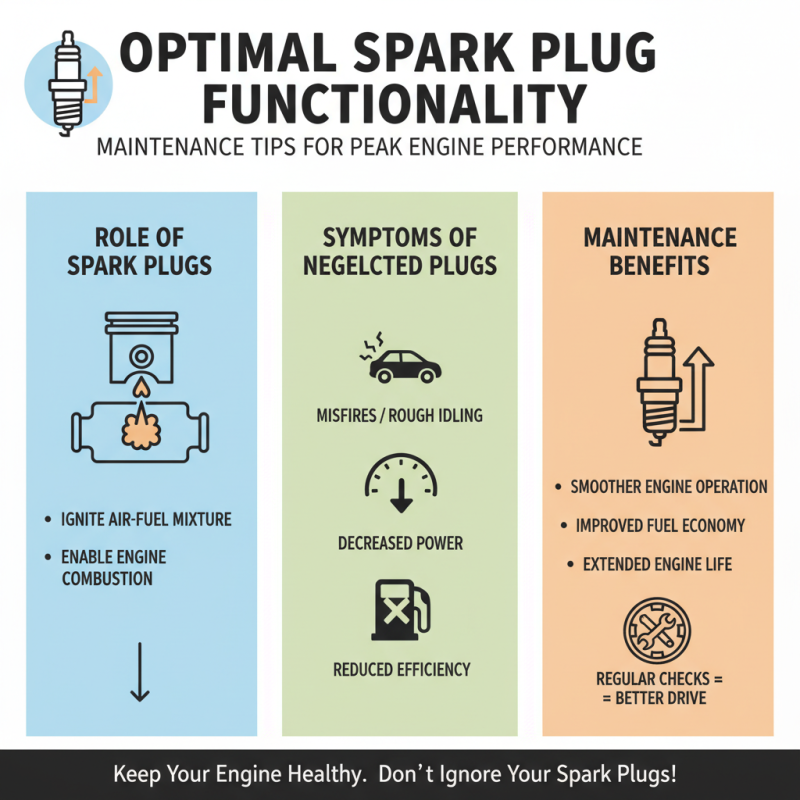
Gas spark plugs play a crucial role in the performance of an engine. They ignite the air-fuel mixture, enabling combustion. Proper maintenance ensures these components function at their best. Neglecting spark plugs can lead to reduced engine efficiency. This neglect can cause misfires, rough idling, or decreased power.
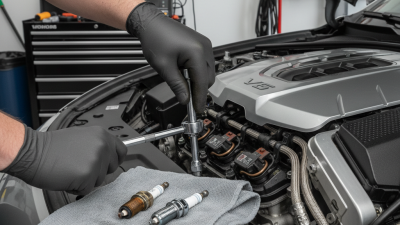
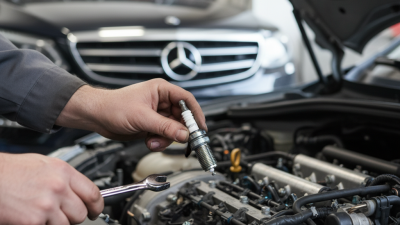
Regular inspection of spark plugs is necessary. Look for wear, corrosion, or deposits. If a spark plug appears fouled, consider replacing it. Checking the gap is important too. An incorrectly gapped spark plug can cause issues. A gap that is too wide or narrow impacts ignition.
Cleaning spark plugs can improve their lifespan. However, overdoing it might cause damage. It’s essential to find a balance. Some do not check their spark plugs often. This oversight can lead to performance issues. A little attention goes a long way in maintaining engine health.