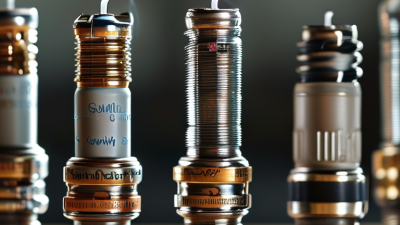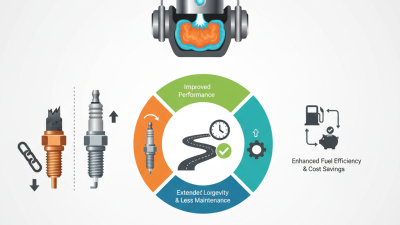
Choosing the right Gas Spark Plugs is not simply a matter of matching thread size. The correct plug must suit the engine, fuel type, ignition system, operating temperature, and manufacturer’s specifications. A natural-gas generator working for twelve hours daily needs different considerations from a small LPG-powered engine used occasionally. Heat range, electrode material, gap design, shell dimensions, and resistance can all affect ignition stability.
Automotive engineer and technical writer Mike Mavrigian describes the spark plug as “a window into the engine.” That observation remains useful. A plug with pale deposits may suggest a lean mixture or excessive temperature. Dark, dry carbon can indicate incomplete combustion, weak ignition, or unsuitable fuel delivery. Small details matter.
There is no universal best option.
A reliable choice begins with the engine manual, not an attractive product listing. Technicians should confirm the original part number, thread reach, seat type, and recommended gap. For stationary gas engines, oil consumption, load changes, and combustion temperature deserve careful attention. A plug that performs well in a passenger vehicle may fail under continuous generator duty.
Some recommendations remain imperfect. Online cross-reference charts can overlook regional engine variations or updated ignition systems. Even a premium Gas Spark Plugs model may disappoint when installed with the wrong gap or tightened incorrectly. Careful inspection, accurate records, and controlled replacement intervals provide stronger evidence than marketing claims. This guide examines the practical details behind selection, helping readers compare materials, heat ranges, electrode styles, and real operating conditions with greater confidence.
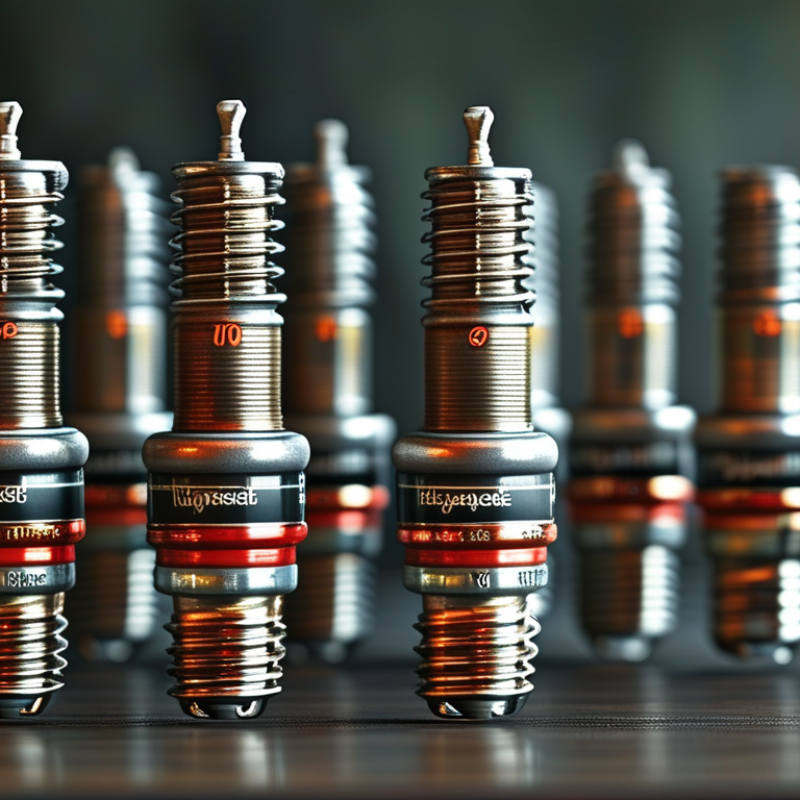
How to Choose the Best Gas Spark Plugs?
Gas spark plugs serve engines that burn natural gas, biogas, or propane. Their designs differ from gasoline plugs because gaseous fuels usually need higher ignition voltage. Common types include standard nickel, iridium, and platinum plugs. Precious-metal electrodes resist erosion during long operating hours. That matters in generators, compressors, forklifts, and combined heat and power units.
Heat range is equally important. A colder plug removes heat faster, which suits heavily loaded engines. A hotter plug can reduce fouling during light-duty operation. Projected and non-projected designs also change flame position inside the combustion chamber. Always match thread size, reach, gap, and operating temperature with the engine manual. A plug that looks correct may still cause misfire.
The application should guide the choice. The U.S. Energy Information Administration reported that natural gas produced about 43% of U.S. utility-scale electricity in 2023. This shows why reliable ignition matters in stationary power systems. The International Energy Agency’s Gas 2024 report also identifies power generation and industry as major gas-demand sectors. In field inspections, technicians should check porcelain discoloration, electrode wear, and deposits. A pale tip can suggest overheating, while dark deposits may indicate weak combustion or an incorrect heat range. These signs are useful, but not perfect. Fuel quality, ignition timing, and air-fuel control can mislead diagnosis. Test under real load.

Choosing a spark plug starts with the engine, not the plug box. Check the service manual for the required thread diameter, reach, seat type, and heat range. These details must match precisely. A plug with the wrong reach can damage the piston or cylinder head. The wrong seat may also cause poor heat transfer and gas leakage.
Gas engines often need plugs suited to continuous operation and cleaner combustion. Confirm the electrode material, resistor requirement, and recommended gap. Use a calibrated gap tool, not a pocketknife or guesswork. Measure the old plug, but do not copy it blindly. Previous servicing may have installed an incorrect part. I have seen engines run smoothly at idle while misfiring under load because the gap was too wide. Quiet symptoms can still hide expensive problems.
Thread condition matters. Examine the plug opening for carbon, damaged threads, or oil deposits before installation. Tighten the plug with a torque wrench and follow the engine maker’s specification. Excessive force can distort the shell, while loose installation can create overheating. Record the plug type, gap, operating hours, and engine behavior after replacement. This small log helps technicians identify patterns over time. It is not perfect, but it is more reliable than memory. When specifications conflict, ask a qualified technician to verify the manual, engine model, and operating fuel.
How to Choose the Best Gas Spark Plugs?
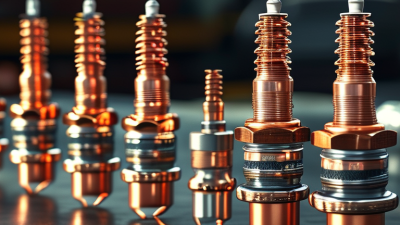
For gas-powered engines, electrode material affects starting, ignition stability, and service life. Copper electrodes transfer heat well and cost less, but they usually wear faster. Platinum offers better resistance to erosion. Iridium uses a fine electrode that needs less ignition voltage. That design can support cleaner firing under lean gas mixtures. However, material alone does not guarantee better performance. Correct specifications still matter more.
Heat range controls how quickly a plug removes heat from its firing tip. A plug that runs too hot may encourage pre-ignition or deposit damage. A plug that runs too cold can collect carbon, especially during short trips. Check the engine maker’s recommended range before changing it. Gas conversion systems may require a narrower gap or a different range. Confirm this with a qualified technician and the conversion documentation. Heat matters.
Durability depends on more than the electrode metal. Combustion temperature, ignition timing, fuel quality, and installation torque all influence wear. In workshop checks, uneven gap growth often reveals stress before misfiring becomes obvious. I once blamed worn plugs for rough idle, but a weak ignition coil caused the real problem. That mistake remains useful. Inspect plug color, deposits, ceramic cracks, and gasket condition together. A longer-life plug can reduce maintenance, yet it may hide an underlying fault. Replace plugs at the specified interval, then recheck engine behavior under load.
Choosing the best gas spark plug starts with compatibility, not price. Check the engine manual for thread size, reach, heat range, and electrode gap. These details must match the engine’s design. A plug that fits physically may still perform poorly. The wrong heat range can cause fouling or overheating. Small differences matter.
Installation needs deserve equal attention. Inspect the plug socket, extension, and torque wrench before starting. Clean debris around each plug hole, so dirt does not enter the cylinder. Install the plug by hand first. If the threads feel tight, stop and check alignment. Cross-threading can damage the cylinder head. Tighten the plug to the specified torque, not by instinct. Too loose can cause heat leakage. Too tight can complicate future servicing. This is where many careful repairs go wrong.
Operating conditions also change the choice. Engines running under heavy loads, frequent starts, dust, or high temperatures may need a different heat range or service interval. A generator used outdoors may experience moisture and sudden temperature changes. A workshop engine may face long periods of idling. Observe starting quality, idle stability, and plug deposits after operation. Light tan deposits can suggest normal combustion, but appearance alone is not proof. I would record symptoms before replacing parts. Guessing feels faster, yet it often creates another problem. Always follow the engine maker’s specifications and local safety requirements.
| Selection Dimension | Typical Requirement | Why It Matters for Gas Engines | Compatibility Check | Installation Notes | Operating-Condition Guidance |
|---|---|---|---|---|---|
| Fuel Type | Natural gas, biogas, propane, or other approved gaseous fuel | Different gases can produce different flame speeds, combustion temperatures, deposits, and ignition-voltage demands. | Confirm the plug specification in the engine or equipment service documentation for the exact fuel system. | Do not assume that a plug suitable for a gasoline engine is suitable for a gas engine. | Consider fuel quality, moisture, sulfur compounds, oil carryover, and the air-fuel mixture used by the engine. |
| Thread Diameter and Pitch | Must exactly match the cylinder head and approved plug specification. | An incorrect thread can damage the cylinder head, prevent proper sealing, or make installation unsafe. | Check thread diameter, pitch, thread length, and the engine manufacturer’s part specification. | Start the plug by hand to prevent cross-threading. Never force a plug with a wrench. | Inspect the cylinder-head threads during every replacement, especially in aluminum heads. |
| Thread Reach and Seat Type | Reach and sealing method must match the cylinder head: gasket seat or tapered seat. | Incorrect reach can cause piston or valve interference, poor heat transfer, or combustion-chamber damage. | Compare the specified reach, seat design, and sealing washer requirements. | Use a new sealing washer when the plug design requires one. Do not combine incompatible seat types. | Check for gas leakage, blow-by marks, or damaged seating surfaces after installation. |
| Electrode Material | Nickel-alloy, platinum, iridium, or another material approved for the engine. | Fine-wire precious-metal electrodes can reduce required ignition voltage and resist wear, but they are not automatically correct for every engine. | Confirm the electrode material, dimensions, and approved service interval. | Avoid filing or aggressively bending fine-wire electrodes. Replace a damaged plug rather than modifying it. | High-load, continuous-duty, and lean-burn applications generally require careful attention to electrode wear. |
| Heat Range | Use the heat range specified for the particular engine and combustion system. | A plug that is too cold may foul, while one that is too hot may contribute to overheating or pre-ignition. | Use the engine documentation rather than selecting a heat range from appearance alone. | Install the same approved heat range across the engine unless a qualified service procedure states otherwise. | Reassess the specification for high ambient temperature, heavy load, elevated speed, or modified compression. |
| Electrode Gap | Set the gap to the engine manufacturer’s specified value; there is no universal gas-engine gap. | Gaseous-fuel mixtures and high cylinder pressure can increase the voltage needed to bridge the gap. | Verify the pre-set gap with a suitable gauge before installation. | Adjust only if permitted by the plug design. Do not pry against a fine-wire center electrode. | Misfiring under load can result from excessive gap, weak ignition components, lean mixtures, or worn electrodes. |
| Resistor Design | Resistor or non-resistor design must match the ignition system requirements. | The wrong resistance can increase electrical interference or affect ignition performance and monitoring systems. | Check the required resistance and terminal configuration in the service specification. | Use the correct plug cap, lead, and terminal style. Keep ignition connections clean and secure. | Pay particular attention to electronic ignition, engine-control modules, sensors, and radio-sensitive equipment. |
| Ignition-System Demand | The plug must be compatible with the ignition coil, transformer, leads, and control system. | Gas combustion may require reliable spark energy, particularly during lean operation and high cylinder pressure. | Confirm the approved plug type, gap, resistance, and ignition voltage requirements. | Inspect boots, leads, coils, and connectors for cracking, carbon tracking, corrosion, or moisture. | Frequent misfire codes or load-related misfires require system diagnosis, not simply a smaller gap. |
| Engine Load and Duty Cycle | Select according to standby, intermittent, or continuous-duty operation. | Continuous high-load operation increases thermal stress and electrode wear. | Use the maintenance schedule and plug specification for the actual duty cycle. | Record installation date, operating hours, plug gap, and inspection findings. | Shorten inspection intervals when the engine operates near rated load for long periods. |
| Ambient Conditions | Account for altitude, ambient temperature, humidity, dust, and ventilation. | Air density and cooling conditions affect mixture strength, combustion temperature, and ignition reliability. | Check whether the engine control system and plug specification cover the installation environment. | Keep the plug well dry and remove dirt before loosening the old plug. | High altitude, restricted airflow, or extreme heat may require engine-specific calibration and maintenance changes. |
| Installation Torque | Use the torque specified for the plug, seat type, cylinder-head material, and lubrication condition. | Under-tightening can cause poor sealing and heat transfer; over-tightening can damage threads or the plug shell. | Follow the plug and engine service instructions because torque values vary by design. | Use a calibrated torque wrench. Do not apply anti-seize unless the service instructions specifically permit it. | Recheck for leakage, abnormal noise, and ignition faults after commissioning. |
| Maintenance and Replacement | Follow the engine-hour interval and replace plugs showing erosion, cracking, fouling, or damaged threads. | Worn or fouled plugs can reduce combustion stability, increase emissions, and raise fuel consumption. | Use the exact approved specification rather than relying only on physical fit. | Inspect removed plugs by cylinder and keep records of color, deposits, gap, and electrode condition. | Unusual deposits or uneven wear may indicate mixture, oil-control, cooling, or ignition problems. |
Choosing the best gas spark plugs starts with quality, not the lowest price. Look for a precise shell, clean threads, and an electrode made for stable ignition. The plug must match your engine’s heat range, thread size, and recommended gap. A wrong heat range may cause fouling or overheating. Always check the vehicle service manual before buying.
Maintenance needs affect real value. Inspect the plugs during scheduled service, especially after hard starting, rough idling, or increased fuel use. A dry, light-brown tip often suggests normal combustion, while heavy black deposits may indicate an engine issue.
Use a torque wrench during installation. Over-tightening can damage threads, but loose plugs may leak combustion pressure. Small details matter.
Tips: Compare service life, installation needs, and failure symptoms. Keep the old plugs for inspection. Do not assume a longer-life plug suits every engine. I once underestimated the importance of gap measurement, and the engine ran acceptably but felt uneven under load. That experience changed my buying process. Overall value comes from dependable ignition, reasonable maintenance, and fewer unnecessary replacements. A slightly cheaper plug can become expensive when access is difficult or misfires return quickly. Check the plug condition again after several hundred miles. Evidence from your own engine is useful, even when it challenges the original choice.