10 Essential Tips for Choosing the Right Gas Genset for Your Needs
Choosing the right gas genset is a crucial decision for anyone looking to ensure reliable power supply. Whether for residential use, commercial applications, or recreational purposes, understanding the specific requirements and capabilities of a gas genset can make all the difference in meeting energy needs effectively. With numerous options available on the market, it’s essential to approach this selection process with careful consideration to avoid common pitfalls.
In this guide, we explore ten essential tips that will empower you to make an informed decision when selecting a gas genset. From assessing power requirements to understanding fuel efficiency, each aspect plays a significant role in determining the best fit for your individual needs. Additionally, we will discuss important factors such as portability, noise levels, and maintenance considerations, which are vital for ensuring optimal performance and longevity of your genset. By following these guidelines, you can confidently choose a gas genset that not only meets your immediate power demands but also offers sustainable performance for the long term.
Understanding Your Power Requirements for a Gas Genset
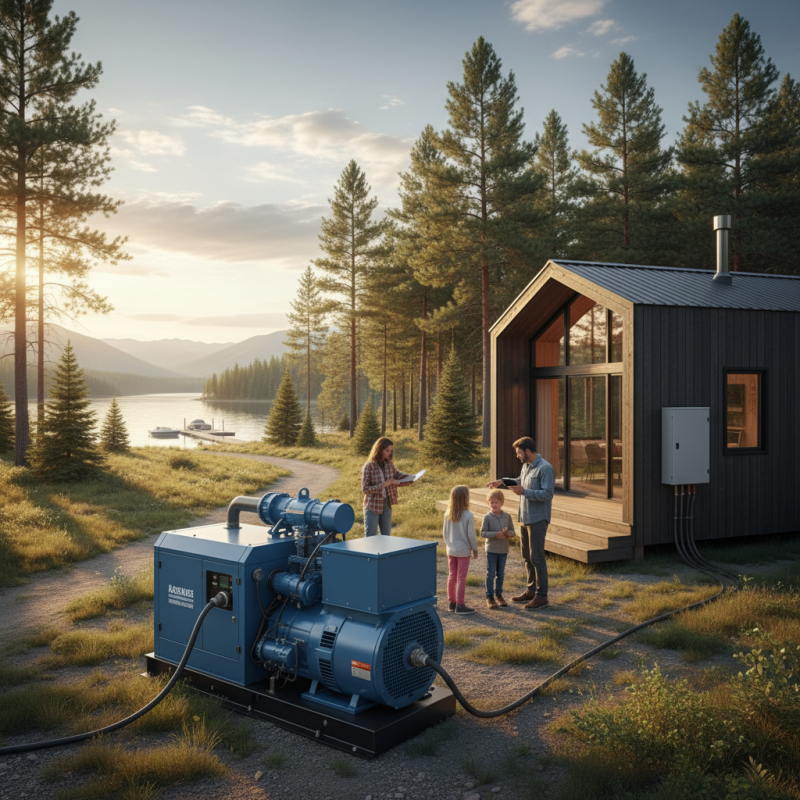
When considering a gas genset for your power needs, the first step is understanding your power requirements. Assessing the total wattage of devices you plan to use is crucial; this typically involves a combination of both starting and running wattages. According to the Electric Power Research Institute, it’s recommended to calculate the wattage by considering the highest power-consuming appliances you may need to run simultaneously. Keep in mind that starting wattages for appliances like refrigerators or air conditioners can be significantly higher than their running wattages, sometimes up to three times more.
Once you have a clear picture of your power needs, the next tip is to choose a genset that exceeds your calculated requirements by at least 20%. This buffer ensures that the genset operates efficiently and can handle any unexpected surges in power demand. Additionally, consider the runtime needed for your applications; many gensets on the market offer fuel efficiency ratings that can help you choose a machine tailored to your usage frequency. According to the U.S. Department of Energy, a generator that runs efficiently for longer periods can significantly lower overall fuel costs and maintenance frequency.
Lastly, don't overlook the importance of portability and ease of use, especially if you plan to move your genset. Selecting a unit that has features such as wheels or lifting handles can significantly enhance usability. In the selection process, focus on the balance between required power output and operational convenience to ensure that you choose a genset that truly meets your needs.
10 Essential Tips for Choosing the Right Gas Genset for Your Needs - Understanding Your Power Requirements for a Gas Genset
| Tip Number |
Tip Description |
Consideration Factors |
Recommended Power Range (kW) |
| 1 |
Assess Your Power Needs |
Total wattage of all appliances |
5-20 |
| 2 |
Determine Runtime Requirements |
Length of backup power need |
2-10 |
| 3 |
Choose Portability vs. Stationary |
Frequency of movement |
3-15 |
| 4 |
Consider Fuel Efficiency |
Fuel cost vs. output |
4-12 |
| 5 |
Check Noise Levels |
Decibel rating of the unit |
6-18 |
| 6 |
Evaluate Start-Up Requirements |
Surge wattage for starting equipment |
7-25 |
| 7 |
Consider Automatic Start Features |
Convenience of automatic operation |
5-20 |
| 8 |
Look for Safety Features |
Overload protection, low oil shut-off |
4-15 |
| 9 |
Research Maintenance Requirements |
Ease of access for service |
5-10 |
| 10 |
Assess Portability Options |
Weight and wheel features |
2-7 |
Evaluating Fuel Efficiency and Runtime for Optimal Performance
When selecting a gas genset,
fuel efficiency and runtime are pivotal factors that directly influence its performance and overall cost-effectiveness.
Fuel efficiency refers to how well the genset converts fuel into energy, which not only affects operational expenses
but also impacts environmental sustainability. A genset with high fuel efficiency
will require less frequent refueling, thereby minimizing downtime and allowing for uninterrupted power supply, crucial for both residential and commercial applications.
Evaluating the fuel consumption rate is essential; look for models that offer optimum power output for the least amount of fuel consumed.
Runtime complements fuel efficiency, representing the duration the genset can operate before requiring a refuel.
This factor is especially significant in scenarios where consistent power is necessary, such as during power outages or in remote locations.
It's important to consider the tank capacity of the genset and its average consumption rate to estimate its total runtime accurately.
A genset that balances both high efficiency and extended runtime can greatly enhance user experience, providing assurance that energy needs will be met
without constant intervention. Thus, carefully assessing these two criteria will help ensure you choose a gas genset that effectively supports your specific energy requirements
while maximizing cost savings.
Assessing Noise Levels and Compliance with Local Regulations
When selecting a gas genset, one critical factor to consider is the noise level it produces and how it aligns with local regulations. Different applications and locations may impose specific noise restrictions, making it essential to understand the acceptable decibel levels in your area. Many local governments have established ordinances that dictate permissible noise limits, especially in residential zones, where excessive noise can lead to complaints and potential fines.
Before making a purchase, research these regulations to ensure compliance and select a genset that operates within the acceptable range.
In addition to legal compliance, evaluating the noise levels of potential gensets can also enhance user experience and community relations. Models equipped with sound-dampening features or those designed for quieter operation can significantly reduce disturbances, making them more suitable for settings where noise could be disruptive. Consider visiting a dealer or supplier who can provide demonstrations and precise specifications on noise output, allowing you to compare options effectively.
By prioritizing noise levels in your decision-making process, you not only abide by local laws but also foster a more pleasant environment for yourself and those around you.
Examining Maintenance and Support Services for Longevity
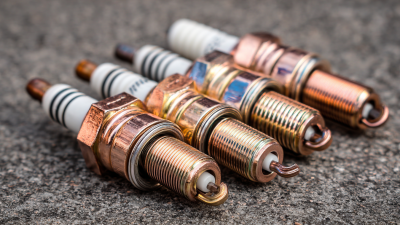
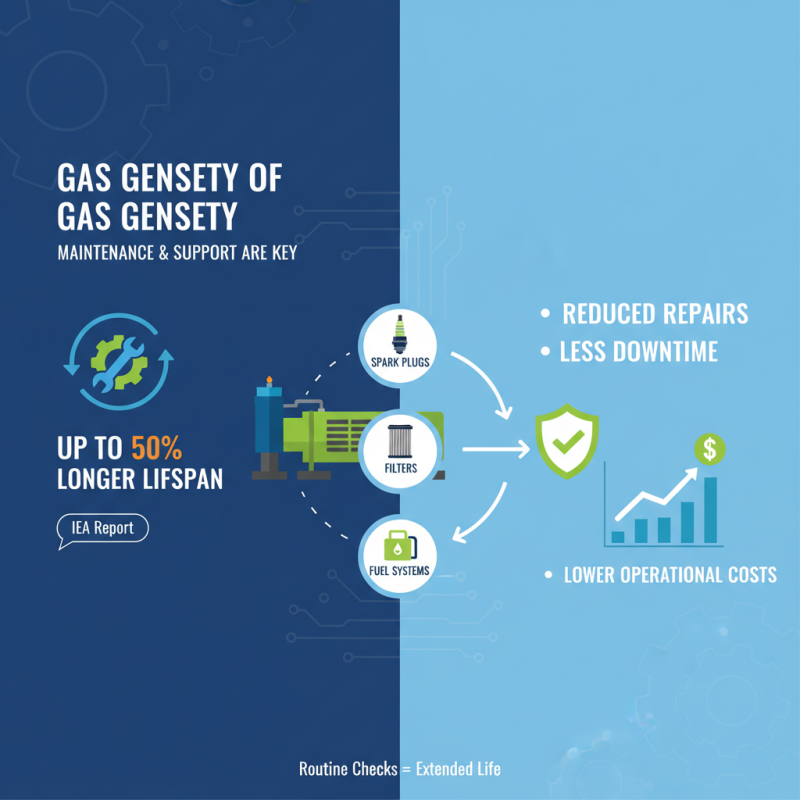
When selecting the right gas generator set (genset), it's essential not only to consider power output and efficiency but also to focus on the maintenance and support services that ensure the genset's longevity. According to a report by the International Energy Agency (IEA), regular maintenance can extend the life of a gas genset by up to 50%, significantly reducing long-term operational costs. Routine checks on key components, such as spark plugs, filters, and fuel systems, can prevent small issues from escalating into costly repairs and extensive downtime.
Engaging with manufacturers or suppliers that provide robust support services is equally critical. A study by Power Magazine indicates that genset owners who have access to comprehensive maintenance contracts experience less than half of the unplanned outage time compared to those without such agreements. This support can encompass everything from scheduled maintenance visits to emergency repair services, ensuring that your operations remain uninterrupted. Furthermore, consider the availability of spare parts, as a well-stocked supply chain can reduce lead times for repairs, thus enhancing the reliability of the genset over its lifespan. Ultimately, investing in maintenance and support is just as vital as the initial purchase, impacting the efficiency and longevity of your generator set.
Analyzing Cost vs. Features: Finding the Right Balance
When selecting a gas genset, understanding the balance between cost and features is crucial. A recent industry report indicates that investments in gensets have seen a steady growth of approximately 5% annually, driven primarily by rising energy demands. To make an informed decision, consumers should evaluate their specific power requirements against the features offered by different genset models. Opting for a genset with the right power output can save money in the long run, as undersized models may lead to inefficiencies and overworking, while oversized models can be wasteful.
Tip 1: Assess your power needs carefully. Calculate the total wattage required for your appliances, considering both starting and running wattage. This ensures you invest in a genset that meets your needs without excess capacity that can unnecessarily inflate costs.
Tip 2: Evaluate crucial features like fuel efficiency, noise level, and maintenance requirements. According to a study by the International Energy Agency, a more efficient genset can reduce fuel consumption by up to 30%. Choosing a model with enhanced fuel efficiency capabilities not only curtails operating costs but also contributes to environmental sustainability.
In addition, the initial purchase price should not be the sole determining factor. Analyzing the total cost of ownership, which includes maintenance and operational expenses, is key to striking the right balance. Consideration of warranty and service availability can also play a significant role in the long-term viability of your investment.