7 Tips for Choosing a Methane Gas Generator
Choosing a Methane Gas Generator is not simply a matter of comparing engine power or purchase prices. The right unit must match the gas source, methane concentration, operating hours, and electrical demand. Biogas from a digester may contain moisture, hydrogen sulfide, siloxanes, and unstable methane levels. These details can quietly damage an engine. Small mistakes become expensive repairs.
Arthur Wellinger, a respected biogas specialist, has described biogas as “a renewable energy source that can be produced from organic waste.” That perspective matters when evaluating generator systems. A reliable Methane Gas Generator should convert waste into useful energy while supporting safe, controlled operation. Look for gas-cleaning equipment, automatic shutdown protection, efficient cooling, and monitoring for pressure and composition. Ask whether the manufacturer has experience with your specific feedstock. Landfill gas, agricultural manure, and wastewater gas are not identical fuels.
The following seven tips examine the practical choices behind a dependable installation. They cover generator capacity, gas quality, engine design, emissions performance, maintenance access, safety features, and supplier support. A unit rated at 100 kilowatts may not deliver that output continuously. Real conditions matter. Ambient heat, altitude, gas fluctuations, and poor maintenance can reduce performance. I have seen specifications look excellent on paper, yet fail during daily operation. That is why independent testing, documented service records, and clear warranty terms deserve attention. The cheapest option may be the least economical over five years. Even experienced buyers can overlook this.
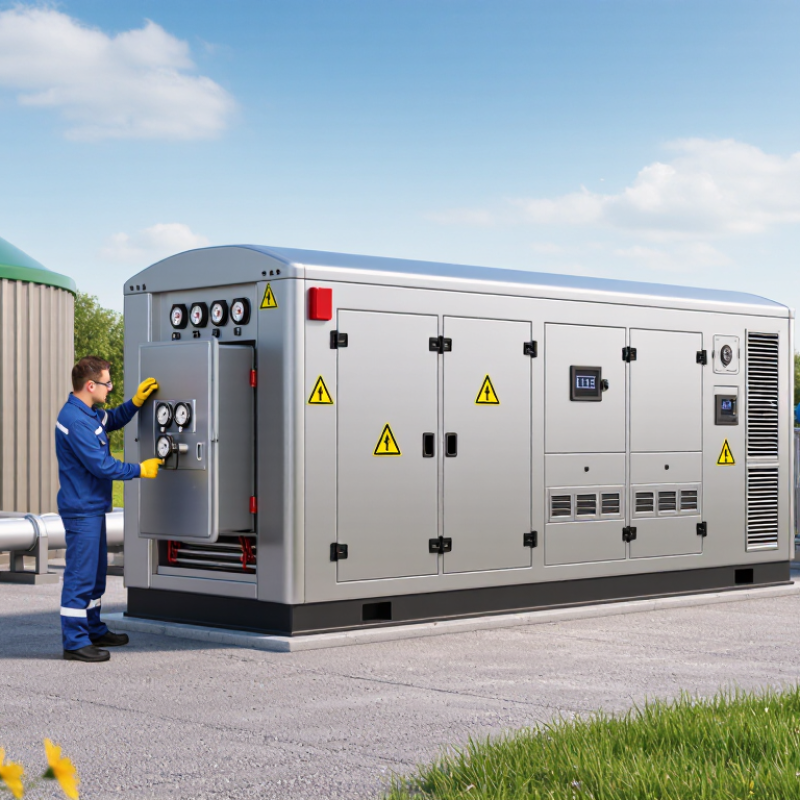
Understand Methane Gas Generator Types and Operating Principles
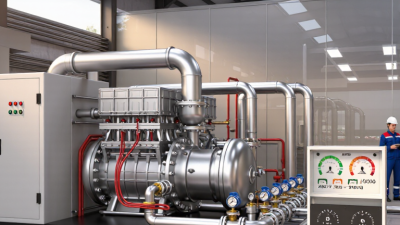
A methane generator may use a spark-ignition engine, a dual-fuel engine, or a microturbine. Reciprocating engines suit steady, medium-scale output and are familiar to many maintenance teams. Microturbines have fewer moving parts, but may need cleaner, more consistent fuel. Dual-fuel designs can use a pilot fuel to ignite a methane-rich gas stream. The right choice depends on fuel quality, electrical demand, heat-recovery plans, and available service skills. Small details matter.
Methane is not always delivered as pure gas. The U.S. Environmental Protection Agency’s AgSTAR materials describe biogas as typically containing about 50–75% methane, with carbon dioxide and other components making up much of the balance. That variation affects energy output and combustion. Before selecting equipment, check the expected methane range, moisture, sulfur compounds, and pressure at the generator inlet. Ask whether the system needs gas drying, filtration, or compression. A damp sample line can make a clean-looking specification misleading.
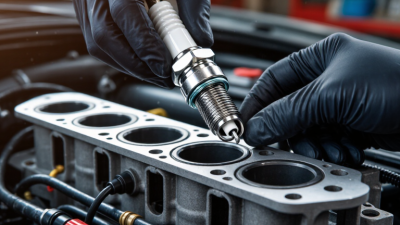
Operating principles also shape maintenance needs. In a spark-ignition unit, a spark burns the air–gas mixture inside a cylinder; the expanding gas turns a crankshaft and drives an alternator. Microturbines instead compress air, burn fuel, and spin a turbine connected to a generator. The International Energy Agency’s Global Methane Tracker 2024 estimates that the energy sector emitted around 120 million tonnes of methane in 2023. That figure underscores why leak detection and safe ventilation belong in equipment planning. Compare load efficiency, emissions controls, noise, and maintenance intervals under real operating conditions—not just brochure ratings.
Compare Power Output, Efficiency, and Load Requirements
Choosing a methane gas generator starts with the actual load, not the advertised maximum.
List motors, pumps, heaters, controls, and standby circuits before comparing models. A workshop may consume 80 kW continuously but demand 140 kW during motor starting. That brief surge can trip protection or stall the engine. Measure demand with a power logger across several operating days. Guesswork is expensive.
Compare prime power, standby power, and continuous power separately.
Prime ratings support changing loads over extended periods, while standby ratings suit limited outage operation. Check voltage, frequency, phase balance, and starting current. Efficiency must be measured at the loads you expect, not only at the generator’s best operating point. At 40% load, fuel use per kilowatt-hour may increase sharply. This detail is often missed. Methane quality, inlet pressure, and temperature also influence output.
Build a load profile showing minimum, average, and peak demand. Then test the generator under realistic step loads before commissioning. A qualified engineer should verify protection settings, cooling capacity, and cable sizing.
Field assessments often reveal an uncomfortable issue: a larger generator can run inefficiently when the site usually needs little power. A tidy spreadsheet can still mislead.
Leave room for future equipment, but avoid buying capacity that remains unused. Review maintenance records, cylinder condition, and performance trends regularly, because declining efficiency may appear before a major failure.
Review Safety Systems, Emissions, and Regulatory Compliance
7 Tips for Choosing a Methane Gas Generator
Review Safety Systems, Emissions, and Regulatory Compliance
Choosing a methane gas generator requires more than comparing electrical output. Review seven points: gas detection, ventilation, automatic isolation, pressure protection, emergency shutdown, emissions monitoring, and documentation. Confirm that sensors detect methane before it reaches explosive concentrations. Verify shutdown logic during a real commissioning test. A paper checklist is not enough. Inspect cable routes, exhaust joints, ventilation fans, and the emergency-stop location. IEC 60079 guidance can support hazardous-area classification, while local fire and electrical authorities set enforceable requirements.
Emissions deserve equal attention. Ask for measured methane slip, nitrogen oxides, carbon monoxide, and formaldehyde data at actual loads. Do not rely only on laboratory performance. IEA’s Global Methane Tracker 2024 estimates that fossil fuel operations released about 120 million tonnes of methane in 2023. It also finds that roughly 40% could be reduced at no net cost. Even small unburned-methane losses matter. The UNEP Global Methane Assessment identifies existing measures capable of cutting human-caused methane emissions by up to 45% this decade.
Map the generator against permit limits before purchase. Check fuel quality, operating hours, noise rules, stack requirements, inspection intervals, and reporting duties. Requirements may follow national law, regional engine standards, or site-specific permits. Request calibration certificates and maintenance records. Include a plan for leak testing and sensor replacement. I would question any supplier who cannot explain its emissions test method. Specifications can look clean on paper, yet field conditions change everything. A careful review may still miss something; independent commissioning helps expose it.