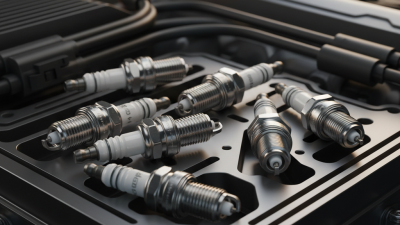
10 Engine Spark Plugs Buying Tips for Global Buyers
Buying Engine Spark Plugs globally requires more than comparing prices or choosing a familiar brand. The wrong heat range, thread size, or electrode design can cause misfiring, poor fuel economy, and expensive engine damage. Fortune Business Insights valued the global automotive spark plug market at approximately USD 3.24 billion in 2023. Its 2024 market report also forecasts steady growth through 2032. These figures show strong demand, but they do not guarantee product suitability for every engine.
John B. Heywood, a leading combustion-engine researcher, describes the spark plug as “the source of ignition” in Internal Combustion Engine Fundamentals. That simple function demands accurate purchasing decisions. Global buyers should verify the original equipment number, thread reach, seat type, resistance value, and operating temperature. Packaging should display traceable batch information and clear manufacturer details. Independent testing also matters, especially when products travel through different climates, transport systems, and storage conditions.
Real-world selection can be less perfect. Catalog data may contain regional differences, and online listings sometimes simplify technical specifications too much. A plug that works well in a compact passenger car may fail in a turbocharged commercial engine. Buyers should request fitment confirmation, inspection records, warranty terms, and emissions-related documentation before placing large orders. The ten tips in this guide focus on those practical checks. They connect engineering facts with purchasing experience, helping distributors, repair networks, and fleet operators reduce avoidable risk. Forecasts are useful. Direct verification remains essential.
Understanding Engine Spark Plug Types and Their Applications
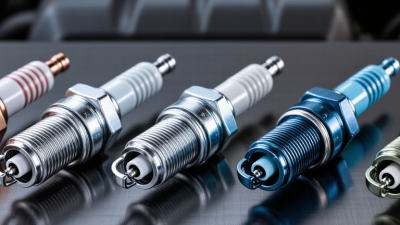
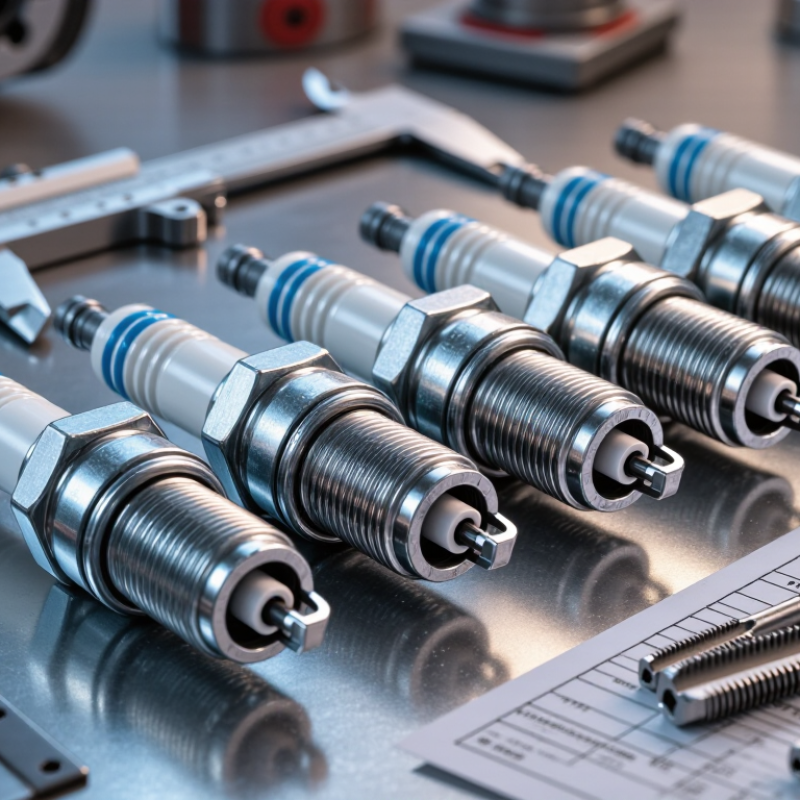
Choosing the right engine spark plug begins with understanding its construction and application. Copper-core plugs offer strong conductivity and quick heat transfer. They often suit older engines and basic operating conditions. Platinum plugs resist wear better, making them useful for longer service intervals. Iridium plugs use a fine center electrode. This design supports reliable ignition under high compression and demanding temperatures.
Not every fine-electrode plug fits every engine.
Check the thread diameter, reach, seat design, and terminal style before ordering. The heat range also matters. A plug that runs too hot may encourage pre-ignition, while a plug that runs too cold can collect deposits. Resistor plugs can reduce electrical interference in vehicles with sensitive control systems. For motorcycles, generators, commercial vehicles, and marine engines, vibration, load, and moisture deserve extra attention.
In workshop inspections, I compare the old plug’s deposits with the engine maker’s specifications. A light tan deposit may suggest normal combustion, but color alone is not proof. Black soot can indicate rich operation, weak ignition, or repeated short trips. I have learned to verify the gap rather than trust the package. It can shift during transport. Small details matter. Buyers should request material data, tolerance information, batch traceability, and test records from suppliers. A cheaper plug may appear efficient, yet inconsistent dimensions can create installation problems. Even experienced buyers sometimes overlook the sealing washer.
Comparing Materials, Heat Ranges, and Electrode Designs
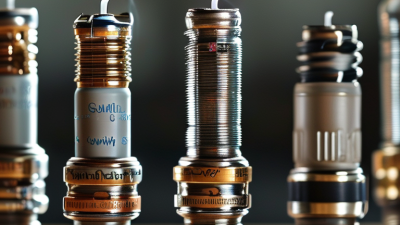
Spark-plug material changes how quickly heat leaves the firing tip. ASM Handbook reference data place pure copper’s thermal conductivity near 400 W/m·K, compared with roughly 90 for nickel and 70 for platinum. These are base-metal figures, not finished-electrode measurements. Still, they help explain why copper-core designs can move heat efficiently while precious-metal tips support slimmer electrodes.
Small distinction.
A thin tip can expose the spark more directly, but its durability depends on operating conditions and construction.
Heat range describes heat transfer from the insulator nose to the cylinder head; it does not mean a hotter or stronger spark. SAE J549 provides spark-plug test procedures, but vehicle makers’ specified plug dimensions and heat range remain the practical fitment reference.
Too-cold operation may encourage deposits on the pale ceramic nose. Too-hot operation can raise firing-tip temperature and increase pre-ignition risk.
Inspect the old plug after a controlled run, noting deposits, erosion, and insulator condition. It is not a perfect diagnosis. Electrode design matters too: a fine-wire center electrode needs less voltage to form a spark under comparable conditions, while ground-electrode shape affects flame-kernel exposure. Check the engine specification before comparing projected tips, gaps, or precious-metal options.
Evaluating Quality, Certification, Pricing, and Supplier Reliability
Global buyers should match each spark plug to the engine’s service specifications, not just its appearance.
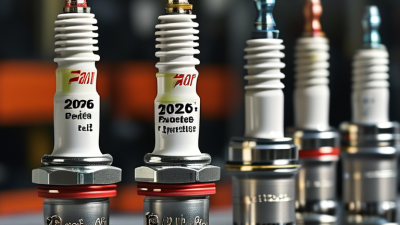
Check thread diameter, reach, seat type, heat range, resistor value, and electrode gap. Ask for material declarations and batch-level inspection records. Verify any claimed ISO 9001 certification directly; it applies to a quality-management system, not automatic approval of every plug.
Small detail, big difference.
The Auto Care Association’s 2024 Joint Channel Forecast estimated U.S. automotive aftermarket sales at about US$391 billion in 2023. That figure describes a broad, competitive market, not spark-plug quality. Compare suppliers using relevant SAE or national specifications, test reports, traceable lot numbers, and clear warranty terms. A certificate can look convincing while plug gaps vary, so request samples and measure them before a large order.
Compare the full landed cost, including packaging, freight, payment terms, and likely replacement costs—not just the unit price. Check production capacity, quoted lead times, order flexibility, and how quickly the supplier answers technical questions. Ask how defects are investigated and whether corrective-action records are available. One overlooked issue: a low minimum order may still come with inconsistent batches.
Keep that risk in view.
Planning Global Orders, Shipping, Storage, and Replacement Schedules
Global orders start with exact engine data, not a broad vehicle description. Confirm the engine code, plug thread, reach, seat type, heat range, and specified gap before requesting prices. Small details matter. Ask suppliers to confirm these specifications in writing, and compare samples with the approved drawing or service information. For large orders, split delivery into manageable batches when demand or warehouse space is uncertain. A low unit price can become costly if cartons sit unused.
Plan shipping around lead time, seasonal demand, and the replacement schedule. Request sturdy inner trays and sealed cartons to limit impact and moisture exposure during long transit. Check carton counts and visible damage when goods arrive. Keep purchase records, batch identifiers, and inspection notes together. Keep records. Shipping documents should match the ordered product and destination requirements; verify details before dispatch rather than correcting them after arrival.
Store plugs in a clean, dry area, away from oils, chemicals, and temperature swings. Leave them in their protective packaging until needed, and avoid stacking heavy boxes on top. Set reorder points using actual usage, supplier lead time, and a modest buffer. Replacement timing should follow the engine maker’s service guidance, not a guessed universal interval. Inspect removed plugs for deposits, wear, or damage, but do not treat appearance alone as proof that an extended interval is safe. A little uncertainty belongs in the plan.