Leave Your Message

How to Choose the Right Energy Spark Plug in 2026?

Choosing the right Energy Spark Plug in 2026 starts with the engine, not the advertisement. A plug may look suitable on a shelf yet fail under heat, pressure, or vibration. The correct choice depends on thread diameter, reach, seat design, heat range, terminal style, and required gap. Check the vehicle manual and current manufacturer catalog before ordering. Small differences matter. An incorrect reach can damage the engine or weaken ignition performance.

Reliable selection also requires evidence from real operating conditions. A daily commuter, a turbocharged engine, and a utility machine create different demands. Record hard starts, uneven idling, fuel consumption, and the color of the removed plug. These clues can support diagnosis, but they do not replace compression tests or professional inspection. Confirm the Energy Spark Plug part number, approved applications, torque specification, and gap recommendation. Do not assume a premium metal automatically improves every engine.

This guide compares practical criteria for 2026, including material, service life, temperature control, emissions considerations, and total ownership cost. Independent testing, manufacturer documentation, and qualified technician advice deserve more trust than vague marketplace reviews. Installation also matters: use a calibrated torque wrench, clean the threads, and avoid forcing the plug. No guide is flawless. Real engines age, modifications change requirements, and catalog data can be updated. Recheck the fit before driving, especially after replacing ignition components or changing fuel systems.
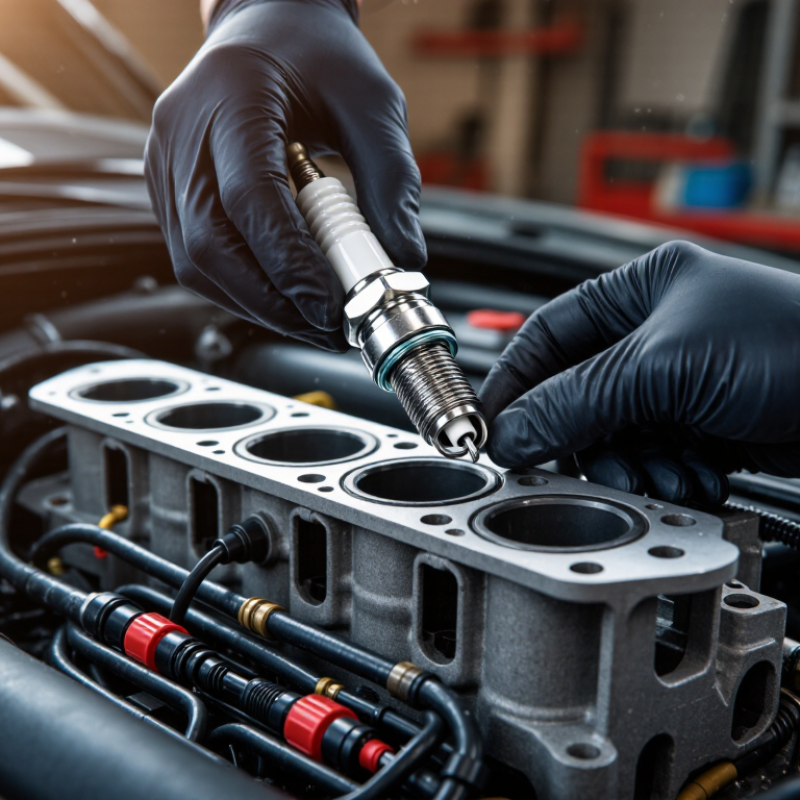
How to Choose the Right Energy Spark Plug in 2026?

What an Energy Spark Plug Is and How It Works

An energy spark plug is a service component used in gasoline engines. It receives high voltage from the ignition system and creates a controlled spark across its electrode gap. That spark ignites the compressed air-fuel mixture inside the cylinder. The term “energy” does not mean unlimited power. It usually describes stable ignition performance, efficient heat transfer, or a design suited to demanding engine conditions.

Inside the plug, a central electrode carries electrical energy through an insulated ceramic body. When voltage exceeds the gap’s resistance, electricity jumps to the ground electrode. This brief discharge can reach several thousand degrees Celsius. It must occur at the correct ignition timing. A clean, correctly sized gap supports reliable combustion, while deposits can weaken the spark and cause misfires. The gap matters.

Choosing the right plug in 2026 still begins with the engine manufacturer’s specifications. Match the thread size, reach, heat range, electrode design, and required gap. A plug that fits physically may still operate too hot or too cold. In workshop inspections, I would check the ceramic for cracks, the electrodes for rounded edges, and the tip for oily or ash-like deposits. These marks can reveal wider engine problems, not just plug wear. Small errors count. Even a carefully selected plug may perform poorly when ignition coils, fuel delivery, or engine timing need attention. Rechecking the gap is sensible, because shipping and installation can change it slightly.
Key Specifications to Match With Your Engine

How to Choose the Right Energy Spark Plug in 2026?

Key Specifications to Match With Your Engine

Choosing a spark plug starts with your engine manual, not a shelf label. Match the correct thread diameter, reach, and sealing seat first. A plug that sits too deep can contact the piston. A short reach may leave deposits around the exposed threads. Confirm the heat range recommended for your engine and driving conditions. Heavy towing, frequent idling, and cold starts can change plug requirements.

The electrode material affects service life and ignition stability, but it cannot correct an incorrect specification. Check the required gap carefully. Modern ignition systems may need a narrow tolerance, often measured with a precision gauge. Do not copy a gap from another engine. Compression ratio, fuel delivery, and ignition voltage all matter. Resistance value also deserves attention, especially when the vehicle uses sensitive electronic controls.

A practical inspection includes comparing the old plug with the replacement. Look for unusual oil, fuel, or ash deposits. These marks may indicate engine problems rather than plug failure. I have seen compatibility assumed from matching threads alone. That shortcut was wrong. Always verify the part dimensions, operating temperature, and vehicle service data. If the manual conflicts with a general catalog, stop and investigate. Small differences can create misfires, hard starting, or overheating. Some advice sounds certain. It still needs checking.

How to Compare Spark Plug Materials and Designs

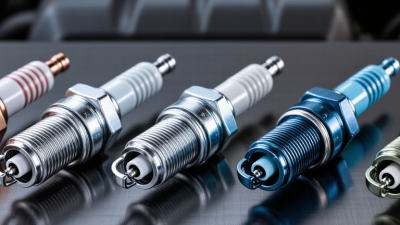
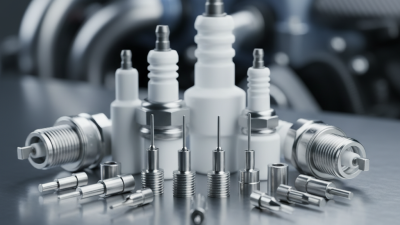
Choosing a spark plug in 2026 requires more than matching thread size. Material and electrode design control ignition voltage, heat transfer, service life, and combustion stability. Nickel-alloy plugs cost less, but their thicker electrodes usually wear faster. Platinum and iridium use finer tips. That smaller tip can focus the electric field and support a stable spark with less energy.

Look closely at the engine’s heat range and specified gap. A plug that runs too cold may collect deposits around the ceramic nose. One that runs too hot can increase pre-ignition risk. SAE International testing literature evaluates these designs through firing voltage, flame-kernel growth, and misfire measurements. Those metrics matter more than impressive packaging claims. The U.S. Environmental Protection Agency’s 2024 Automotive Trends Report recorded average new-vehicle fuel economy at 27.2 mpg for model year 2022. Small ignition losses still matter across millions of vehicles.

I compare the center tip under a bright work lamp. Fine-wire electrodes look delicate. They are not automatically better. A recessed insulator, correct resistor value, and stable shell seal also affect performance. U.S. Department of Energy maintenance guidance links proper engine care with better fuel efficiency and reliability. Yet replacement intervals are not universal. Dust, short trips, towing, and fuel quality can shorten plug life. I once trusted the longest advertised interval and overlooked a widened gap. The engine felt rough before the dashboard warned me. Fit matters more.

How to Choose the Right Energy Spark Plug in 2026? - How to Compare Spark Plug Materials and Designs

Spark Plug Material / Design Typical Center Electrode Approximate Service Life* Ignition and Energy Characteristics Heat and Fouling Behavior Main Advantages Potential Limitations Best-Fit Applications
Copper-Core Nickel Alloy Approximately 2.0–2.5 mm nickel-alloy tip with a copper-core body About 20,000–30,000 km, depending on engine, fuel, and maintenance Requires a relatively high ignition voltage because of the larger electrode; provides dependable conductivity and heat transfer Good heat transfer; larger tip can be more vulnerable to gap growth and deposit-related misfire Low purchase cost; effective heat dissipation; suitable for many conventional ignition systems Generally shorter replacement interval; usually less resistant to erosion than precious-metal designs Older naturally aspirated engines, basic ignition systems, and applications where the vehicle manufacturer specifies nickel-alloy plugs
Fine-Wire Platinum Typically about 1.0–1.5 mm platinum center electrode About 50,000–80,000 km in many applications Smaller electrode normally needs less voltage to initiate the spark than a conventional large nickel tip Improved resistance to erosion and deposits; stable gap over a longer period Longer life than standard nickel; more consistent ignition performance; useful for many modern gasoline engines Higher cost than nickel; service life is still affected by incorrect heat range, oil consumption, or excessive gap Daily-driven gasoline vehicles requiring extended service intervals and stable cold-start performance
Double Platinum Platinum used on both the center and ground electrodes; tip dimensions vary by application About 60,000–100,000 km when specified by the vehicle manufacturer Maintains a relatively stable spark gap in systems where the spark direction can alternate between electrodes High resistance to electrode wear; better durability in waste-spark ignition systems Balanced durability; reduced risk of uneven wear in paired-cylinder ignition arrangements Not automatically interchangeable with single-platinum or nickel plugs; incorrect design can cause premature wear or misfire Waste-spark ignition systems and engines specifically calibrated for double-platinum plugs
Fine-Wire Iridium Typically about 0.4–0.7 mm iridium center electrode About 60,000–120,000 km, subject to the specified plug and operating conditions Very small tip concentrates the electric field, generally reducing required firing voltage and supporting reliable ignition Excellent resistance to melting and erosion; maintains the designed gap well when correctly installed Long service life; strong cold-start behavior; well suited to high-compression and modern electronically controlled engines Higher cost; fine-wire tips can be damaged by improper gapping, impact, or unsuitable cleaning tools Modern fuel-injected, turbocharged, high-compression, and start-stop gasoline engines when specified
Iridium Center with Platinum Ground Electrode Fine-wire iridium center electrode with a platinum pad or insert on the ground electrode About 80,000–120,000 km in suitable applications Combines a concentrated center-electrode spark with improved ground-electrode wear resistance Very good resistance to gap enlargement and spark erosion; still depends on correct heat range and reach Strong long-term gap stability; effective option for engines with demanding ignition conditions More expensive; the ground-electrode shape and orientation must match the engine design Modern engines requiring long replacement intervals and precise electrode geometry
Surface-Gap or Special-Geometry Plug Electrode arrangement varies; may use a recessed, semi-surface-gap, or multiple-ground design Highly application-dependent; follow the specified replacement schedule Designed to control spark location, flame-kernel development, or clearance in a particular combustion chamber Can resist fouling in some applications, but deposits may be harder to clear if the design is not matched correctly Optimized combustion-chamber access; may support packaging, emissions, or misfire-control requirements Limited interchangeability; generic replacements may change ignition behavior or cause clearance problems Specialized engines, compact combustion chambers, certain direct-injection systems, and manufacturer-specific applications

*Service-life figures are broad industry ranges, not universal guarantees. Always match the thread size, reach, seat type, heat range, electrode gap, resistor specification, and electrode design to the engine manufacturer's 2026 service data. A precious-metal plug does not compensate for incorrect installation, excessive oil consumption, lean or rich operation, or ignition-system faults.

How to Select the Right Plug for Operating Conditions

Choosing the right energy spark plug in 2026 starts with operating conditions, not packaging claims. Record engine temperature, load, speed, fuel type, and service interval. A plug that works in a cool commuter engine may overheat during towing or extended high-speed driving.

Heat range deserves careful attention. Too cold, and carbon can collect around the firing end. Too hot, and pre-ignition risk may increase. The U.S. Standard Atmosphere 1976 reports that air density decreases by roughly 3.5% per 1,000 feet near sea level. High-altitude engines may therefore need a different heat range, gap, or calibration. Check the engine maker’s approved limits before changing anything. Guessing feels efficient. It is not.

Dusty roads, frequent idling, and short trips also change plug selection. Inspect the removed plug for ash, wet fuel, glazing, or a rounded electrode. Those marks reveal real conditions better than a catalogue alone. ASTM D4814 defines seasonal gasoline volatility requirements, yet fuel quality and storage can still influence fouling. SAE combustion research also links mixture strength, ignition timing, and chamber temperature with misfire behavior. In practice, I would verify the plug after several hundred operating miles, then reassess the gap and deposits. My own mistake was treating a longer service interval as proof of better suitability. It only proved the plug survived one test environment.

How to Choose the Right Energy Spark Plug in 2026?

How to Select the Right Plug for Operating Conditions

Spark plug selection depends strongly on operating temperature. A typical plug-tip temperature below approximately 450°C can increase deposit and fouling risk, while sustained temperatures above approximately 850°C can increase the risk of overheating and pre-ignition. Low-load operation generally benefits from a relatively hotter heat range, while sustained high-load or high-speed operation generally requires a relatively colder heat range. These temperature values are indicative engineering references; always confirm the exact plug specification against the engine manufacturer’s requirements.

How to Install, Test, and Maintain an Energy Spark Plug

Choosing the right energy spark plug in 2026 starts with correct installation. Match the plug’s heat range, thread size, reach, and electrode gap to the engine manual. Do not guess from appearance. I once saw a new plug installed with the wrong gap, causing rough idling within minutes.

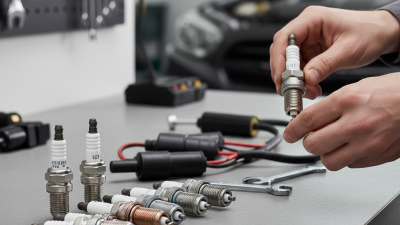
Work only on a cool, switched-off engine. Remove dirt around the plug before loosening it. This prevents debris from entering the cylinder. Install the plug by hand first, then tighten it with a calibrated torque wrench. Excessive force can damage the threads or crush the sealing washer. Too little force may cause heat leakage. Small details matter.

Testing should include a visual inspection and an electrical check with a suitable spark tester. A clear, regular spark is a useful sign, but it does not prove perfect combustion. Look for cracked ceramic, worn electrodes, oil deposits, or unusual carbon buildup. Record the test result and installation date. During maintenance, inspect the plug according to the engine’s service schedule, especially after hard starting, misfires, or increased fuel use. Replace damaged plugs immediately. Cleaning can help briefly, but it may hide a deeper ignition problem. I used to rely too heavily on appearance; compression and wiring also deserve attention. Keep the plug area dry, and recheck the connection after the first operating cycle.