How to Choose the Best Methane Gas Generator?
Choosing the best Methane Gas Generator requires more than comparing advertised power ratings. Real performance depends on gas quality, supply stability, operating conditions, and the electrical loads you need to support. A unit designed for stable pipeline methane may perform poorly on biogas with changing methane concentration, moisture, or hydrogen sulfide. Do not guess.
Begin with measured data from the intended site. Record gas flow, methane percentage, pressure, temperature, and contaminant levels during different operating periods. Then compare these figures with the generator’s documented fuel requirements. A small farm, wastewater facility, or industrial plant may need very different equipment. The generator should also match the load profile, including motor-starting currents, continuous demand, and occasional peak loads. Oversizing can increase fuel waste and maintenance costs. Undersizing can cause overheating and unstable voltage.
Experienced operators examine more than efficiency. They check engine durability, heat recovery options, emissions performance, control systems, noise, service access, and spare-parts availability. Independent test reports and clear manufacturer specifications provide stronger evidence than marketing claims. Ask whether the supplier has supported similar methane applications and can provide commissioning guidance. That matters.
A careful evaluation should include safety controls, gas detection, ventilation, automatic shutdowns, and installation requirements handled by qualified professionals. A perfect choice rarely exists. Fuel conditions may change, maintenance records may be incomplete, or projected savings may prove optimistic. For that reason, treat calculations as estimates and verify them through field testing. The best Methane Gas Generator is not simply the most powerful model; it is the one that operates reliably, safely, and economically within your actual conditions.
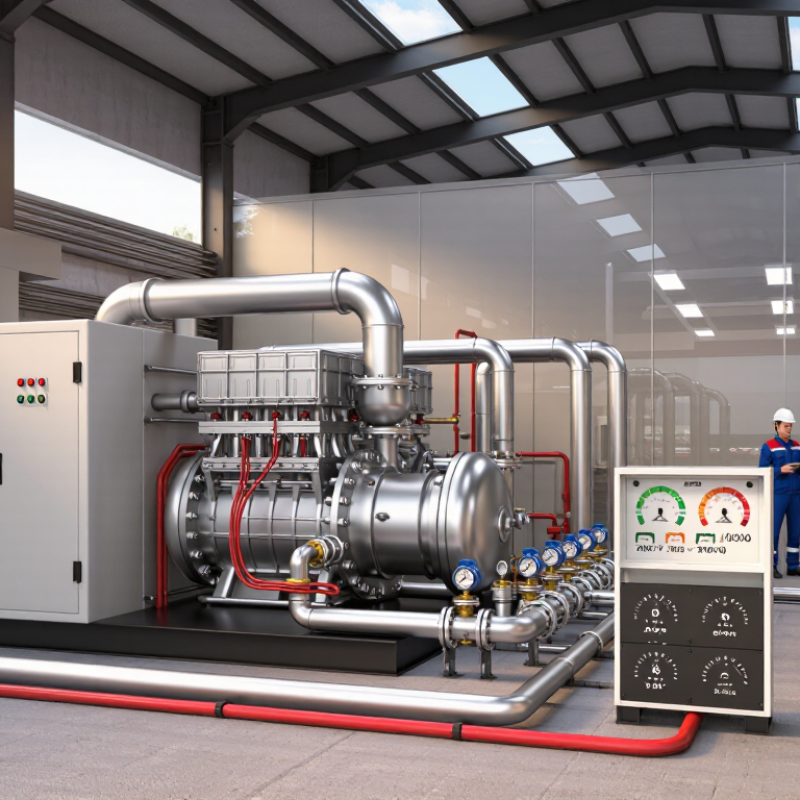
Assess the Fuel: Typical Biogas Contains 50–70% Methane
How to Choose the Best Methane Gas Generator?
Assess the Fuel: Typical Biogas Contains 50–70% Methane
Biogas is not a fixed fuel. It usually contains 50–70% methane, with carbon dioxide, moisture, hydrogen sulfide, and trace gases forming the balance. The U.S. Environmental Protection Agency’s AgSTAR Operator Guidebook reports this typical methane range for anaerobic digester gas. That percentage directly affects generator output.
A gas sample should be tested before equipment selection. Methane concentration can change after feeding patterns, temperature shifts, or digester maintenance. It may also fall below the expected range. That matters. A generator sized for stable natural gas may struggle with diluted biogas.
The International Energy Agency’s Global Methane Tracker 2024 identifies agriculture and waste as major methane-emitting sectors, while controlled biogas recovery can convert part of that gas into usable energy. However, recovery systems need careful fuel conditioning. Moisture can corrode components, and hydrogen sulfide can damage engines when concentrations rise.
Ask for measured data, not only a supplier’s estimate. Review methane percentage, gas pressure, flow rate, and contaminant levels over several days. The German Biogas Association’s Biogas Market Data 2023 also highlights the importance of gas quality for reliable upgrading and energy use. This evidence supports choosing a generator with suitable fuel flexibility, filtration, and monitoring.
One detail is easy to overlook: average methane content can hide sharp hourly changes. A smaller, well-monitored unit may perform better than a larger unit with poor fuel tolerance. More capacity is not always better.
How to Choose the Best Methane Gas Generator?
Assess the Fuel: Typical Biogas Contains 50–70% Methane
Raw biogas typically contains about 50–70% methane, with carbon dioxide making up most of the remaining gas.
Methane concentration affects the fuel energy value and helps determine the suitable generator capacity, air–fuel settings,
and gas cleaning requirements. Actual composition varies with the feedstock and digestion process.
Calculate Energy Yield: Methane Provides 9.97 kWh/m³ at LHV
Choosing the best methane gas generator starts with an honest energy calculation. Pure methane provides approximately 9.97 kWh/m³ at lower heating value (LHV), under standard reference conditions. This figure describes fuel energy, not electricity delivered. A generator cannot convert all heat into power. That distinction is often missed.
The U.S. Environmental Protection Agency’s AgSTAR guidance commonly reports biogas containing 50–70% methane. One cubic meter of such biogas may therefore contain about 4.99–6.98 kWh of methane energy.
With 35% electrical efficiency, the generator could produce roughly 1.75–2.44 kWh per cubic meter of biogas.
The IPCC 2006 Guidelines also emphasize measuring gas volume, composition, temperature, and pressure consistently. Small measurement errors can become large design errors.
Check the gas before selecting the engine.
Methane concentration changes daily. Moisture, hydrogen sulfide, and siloxanes can reduce performance and increase maintenance. I would calculate using the lowest reliable methane reading, not the laboratory peak. That is less exciting, but safer.
Include generator efficiency, gas-cleaning electricity, start-up losses, and engine downtime. A 500 m³ daily supply may sound substantial, yet a 60% methane content and 20% downtime can sharply reduce annual output. Field data should replace assumptions whenever possible. Even the 9.97 kWh/m³ reference value needs verification against local temperature, pressure, and reporting standards.
Compare Technologies: Engines Deliver 35–45% Electrical Efficiency
How to Choose the Best Methane Gas Generator?
Engine-based methane generators commonly deliver 35–45% electrical efficiency under suitable operating conditions. This range matters when fuel costs and gas availability affect project returns. A 1 MW generator operating at 40% efficiency needs about 2.5 MW of fuel input. Numbers need context. Methane concentration, gas pressure, moisture, and contaminants can change actual output. Field engineers should review laboratory gas tests and several months of operating records before selecting equipment. A stable gas supply usually supports better performance than a larger engine running irregularly.
Compare engine technologies by load response, maintenance access, emissions controls, and heat recovery potential. Spark-ignited engines often suit consistent methane quality and medium-scale power production. Dual-fuel designs may tolerate wider operating conditions, but their controls can be more complex. Check efficiency curves, not only the headline rating. An engine rated at 45% may reach that figure near full load, while your site may operate at 60%. Real sites vary. Measure parasitic loads from pumps, cooling fans, gas treatment, and control systems. They reduce net electrical efficiency. I would also question optimistic projections that ignore oil changes, filter replacement, and seasonal gas variation. Independent performance testing, clear maintenance records, and a service plan provide stronger evidence than a sales sheet.
Size the System: Add 10–20% Capacity Reserve Above Peak Load
Choosing the Best Methane Gas Generator: Size the System with a 10–20% Capacity Reserve
Selecting a methane gas generator starts with the real electrical load, not the largest appliance label. Record running watts for pumps, compressors, heaters, control panels, and lighting. Then identify starting surges, especially from motors. A pump rated at 5 kW may briefly demand twice that amount. Your generator must handle this peak without unstable voltage or frequency. For dependable operation, add a 10–20% reserve above the highest measured load. If peak demand reaches 40 kW, a 44–48 kW system provides practical headroom.
This reserve supports future equipment, minor measurement errors, and changing gas conditions. Methane quality can vary with moisture, pressure, and feedstock. Those changes may reduce engine performance. A field assessment should review gas flow, methane concentration, ventilation, exhaust routing, and automatic shutdown controls. Undersizing saves money on paper, but it can cause overload trips and faster wear. Oversizing is not perfect either. Light loading may reduce efficiency and increase maintenance concerns. Real operating data matters more than a quick estimate.
Tips: Measure peak demand with a qualified technician during normal production. Test motor starts separately. Keep a written load schedule. Recheck the reserve after adding equipment. Also, never treat methane as a simple fuel source; use certified installation practices, gas detection, and routine inspections. One missed detail can matter.