Top 10 Tips for Choosing the Best Gas Generators?
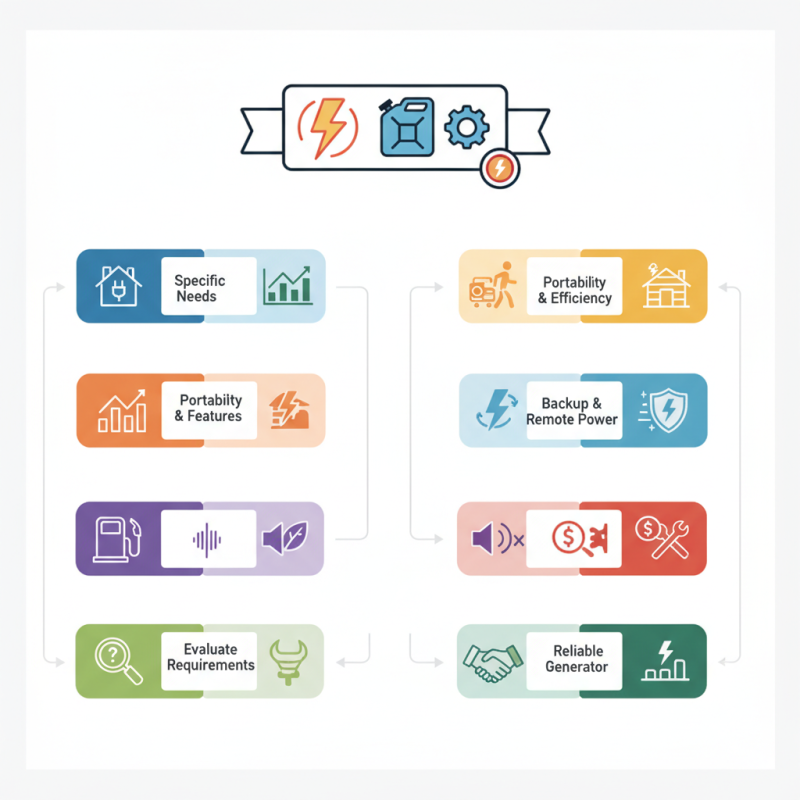
Choosing the right gas generators can feel overwhelming. With many models and features available, it’s easy to make mistakes. Understanding your specific needs is crucial. Different situations require different power outputs and features.
Gas generators are often favored for their portability and efficiency. They can provide backup power during outages or power remote locations. However, not all gas generators are created equal. Some might lack the durability or efficiency you need for your projects.
Each user's experience differs. What works for one may not work for another. It's important to consider factors like fuel efficiency and noise levels. Quality matters, as low-cost generators may lead to frustration. Evaluating your requirements carefully will help you find a reliable generator that meets your expectations.
Understanding Generator Power Ratings: Watts vs. Amps
When choosing a gas generator, understanding power ratings is essential. Power ratings are typically expressed in watts and amps. Watts measure total power output, while amps quantify the electrical flow. For instance, a generator rated at 3,000 watts can power multiple devices but may only handle a specific amperage. This distinction helps users avoid overloading their generators, which can cause damage.
Industry reports indicate that many home power needs fall between 5,000-7,500 watts. A 5,000-watt generator typically offers about 41.6 amps at 120 volts. Not all devices operate at the same voltage or amperage. For example, starting an electric motor requires extra wattage, influencing the overall power draw. Oddly, many users overlook the importance of starting and running watts. Not understanding these can lead to purchasing inadequate generators.
Miscalculations can lead to frustration during outages. Some mistake their total wattage needs without accounting for all devices. It’s critical to calculate the combined wattage of everything you plan to power. Electrical devices can have hidden power requirements. This complexity makes it harder for consumers to choose effectively. Personal experience suggests checking wattage labels before deciding on the generator size.
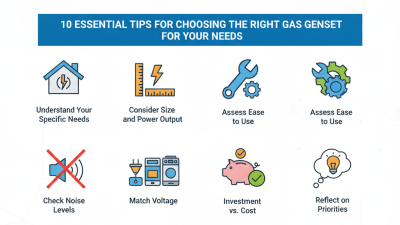
Top 10 Tips for Choosing the Best Gas Generators
| Feature |
Description |
Importance |
| Power Rating |
Understand the difference between watts and amps to ensure your generator meets your power needs. |
High |
| Fuel Type |
Consider whether you prefer gasoline, propane, or dual-fuel options based on availability and cost. |
Medium |
| Noise Level |
Look for models with lower decibel ratings if noise is a concern. |
High |
| Portability |
Evaluate weight and wheel options for easy transport. |
Medium |
| Runtime |
Check how long the generator can run on a full tank of gas. |
High |
| Safety Features |
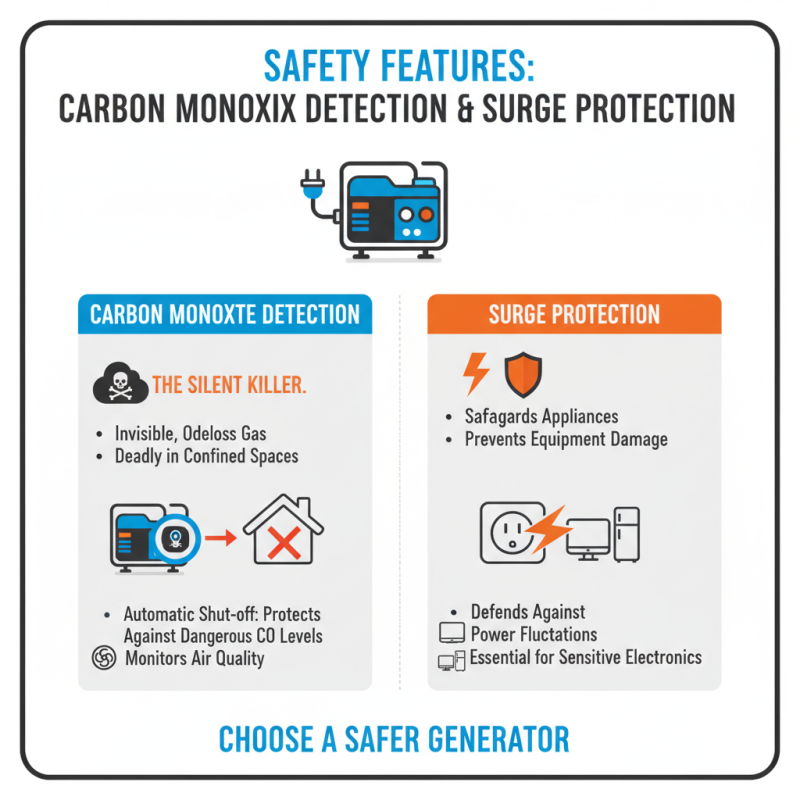
Look for features like automatic shut-off and surge protection. |
High |
| Ease of Use |
Intuitive controls and reliable start mechanisms are key. |
Medium |
| Warranty |
Check the warranty to ensure you're covered for potential issues. |
High |
| Customer Reviews |
Research feedback from other users to gauge reliability and performance. |
Medium |
| Cost |
Determine a budget that considers both the upfront cost and ongoing fuel expenses. |
High |
Evaluating Fuel Efficiency: Importance of Burn Rate and Runtime
When choosing a gas generator, evaluating fuel efficiency is crucial. Burn rate and runtime are key metrics that affect overall performance and cost-effectiveness. According to the U.S. Energy Information Administration, generators with lower burn rates consume less fuel over time. This data highlights the importance of selecting models that maximize fuel efficiency.
Runtime is another vital factor. A generator's runtime indicates how long it can operate before refueling. Many units offer runtimes ranging from 8 to 24 hours. Generators with extended runtimes can be advantageous during prolonged outages or outdoor activities. However, some models may compromise on fuel efficiency for longer runtime, leading to more frequent refueling and higher operational costs.
Understanding the relationship between burn rate and runtime can guide informed choices. A generator with a high burn rate may appear efficient initially, but it often leads to greater fuel consumption. On the other hand, a generator that balances longer runtime with an acceptable burn rate can save money and reduce environmental impact. Evaluating these factors ensures a well-rounded decision when investing in a gas generator.
Assessing Noise Levels: Decibel Ratings and Their Impact on Usage
When selecting a gas generator, noise levels are an essential factor to consider. The decibel rating measures sound intensity, directly impacting user experience. A generator with a lower decibel rating typically offers quieter operation. For example, a model rated at 55 dB will produce sound similar to a normal conversation. In contrast, a 70 dB generator may sound like heavy traffic.
Understanding these ratings can help in choosing the right generator for specific needs. For camping or residential use, quieter models are preferable to avoid disturbing the peace. If purchasing for construction, higher noise levels might be acceptable. Personal preferences also play a key role. Some users may prioritize power output over noise, while others may focus on maintaining a serene environment.
It's important to note that perceived noise can vary significantly based on the environment. A generator that sounds loud in an open field may seem quieter in a confined space. Therefore, testing the generator in potential usage areas can provide valuable insights. Always remember that noise is subjective; what feels loud to one person may be acceptable to another. Reflecting on how sound affects your environment is crucial for making an informed decision.
Noise Levels of Popular Gas Generator Models
The chart above showcases the noise levels measured in decibels (dB) for various gas generator models. Understanding the noise output of generators is crucial for selecting the right unit, especially for residential or noise-sensitive environments, as higher decibel levels can lead to disturbances.
Portability and Size Considerations: Weight and Dimensions Matter
When selecting a gas generator, portability and size play crucial roles. A lightweight generator can easily fit in your vehicle. It enables easy transport to campsites or job sites. Generators that weigh between 40 to 100 pounds are generally manageable. If you plan to move it often, consider those lighter models.
Dimensions also matter. A compact generator may fit in tight spaces. However, be cautious. Smaller units often provide less power. Assess your power needs before purchasing. Some users prefer bigger machines for a more dependable energy supply, despite their heft. It’s essential to evaluate where and how you will use the generator.
Sometimes, even a well-reviewed generator can disappoint. Buyers often overlook crucial specs. A model may seem portable but won’t fit in your car's trunk. Others find their chosen unit hard to maneuver. Always double-check measurements and weight specifications before finalizing your decision. Ultimately, the best generator for you balances power, size, and ease of use.