How to Choose the Right Platinum Spark Plugs for Your Vehicle?
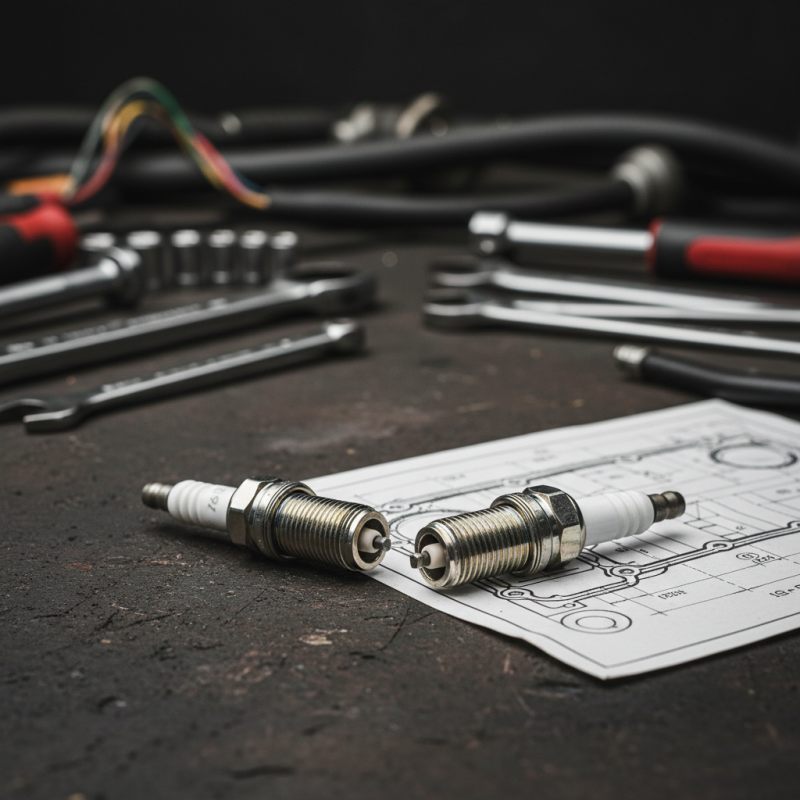
Choosing the right Platinum Spark Plugs for your vehicle is crucial. They play an essential role in engine performance. The right spark plugs can enhance fuel efficiency and reduce emissions. However, not all platinum spark plugs are created equal.
When selecting platinum spark plugs, consider your vehicle's make and model. Compatibility is key to avoid issues. It’s also important to think about your driving habits. Do you drive mostly in the city or on the highway? These factors can influence your decision.
Take time to research different brands and their offerings. Some brands may overstate their performance. Don't rush; a hasty choice could lead to poor engine performance. Your vehicle deserves the best, and the right platinum spark plugs can make a difference. Choose wisely to enjoy an efficient driving experience.
Understanding the Function of Platinum Spark Plugs in Vehicles
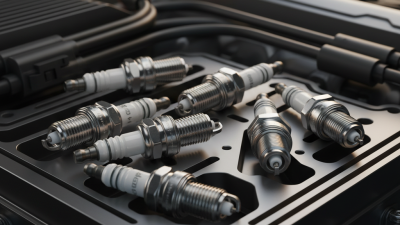
Platinum spark plugs play a vital role in vehicle performance. They facilitate the ignition of the air-fuel mixture in the engine. This process generates power. When spark plugs function optimally, your engine runs smoothly. It's essential to understand how they contribute to your vehicle’s efficiency.
Choosing the right platinum spark plugs matters. Check your vehicle’s manual for specifications. Not all plugs are compatible with every engine type. Look for plugs that offer durability. Platinum is known for its resistance to wear. This means longer intervals between replacements.
Tip: Regularly inspect your spark plugs. Replace them if you notice signs of wear, such as discoloration or corrosion.
Consider your driving style too. If you drive aggressively, you may need plugs designed for high performance. These can handle higher temperatures. In contrast, standard plugs might suffice for everyday driving.
Tip: Keep an eye on your engine’s performance. A decline can signal spark plug degradation. Don't ignore unusual vibrations or rough idling.
Types of Platinum Spark Plugs and Their Specific Applications
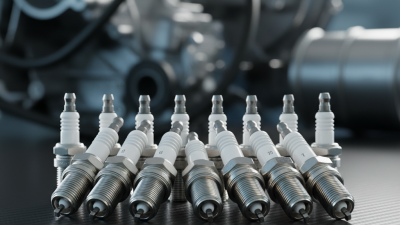
When selecting platinum spark plugs, it's essential to understand the types available. There are two main types: single platinum and double platinum spark plugs. Single platinum plugs have a platinum tip on the center electrode. They work well for older vehicles. However, they may wear out faster in modern engines.
Double platinum spark plugs feature platinum on both the center and ground electrode. This design offers better durability and performance, especially in vehicles with distributor-less ignition systems. Choosing the right type depends on your engine's specific requirements.
Tips: Check your vehicle’s manual for the recommended spark plug type. This ensures compatibility and optimal performance. Also, consider your driving habits. Frequent short trips can wear out spark plugs quicker. Regular inspections are important too. Look for any signs of wear or fouling.
In addition to type, consider the heat range. Spark plugs with a higher heat range are better for high-performance vehicles. They prevent pre-ignition and maintain engine efficiency. Don’t overlook spark plug gap either. The correct gap is critical for optimal ignition and engine performance.
Factors to Consider When Choosing Platinum Spark Plugs
When selecting platinum spark plugs, consider your vehicle's specifications. Check the owner's manual for recommended spark plug types. Compatibility is key for optimal performance.
Think about your driving conditions as well. If you drive mostly in the city, your needs differ from highway driving. City driving often requires better ignition and quicker response. On the other hand, highway driving demands durability and efficiency.
**Tip:** Always inspect your spark plugs for wear. A worn spark plug can affect fuel efficiency. Replace them when you notice issues like rough idling.
Don’t overlook the gap specifications either. The gap affects the spark's strength and can influence fuel combustion. An incorrect gap can lead to misfires and wasted fuel.
**Tip:** Use a feeler gauge when adjusting the gap. Precision matters. Taking the time to get it right pays off in the long run. You may want to test your spark plugs periodically. Spark plugs can perform differently as they age, impacting performance and economy.
How to Choose the Right Platinum Spark Plugs for Your Vehicle? - Factors to Consider When Choosing Platinum Spark Plugs
| Factor |
Description |
Importance Level |
| Material Quality |
Ensure the spark plugs are made from high-quality platinum for durability. |
High |
| Heat Range |
Select based on engine specifications to prevent overheating or fouling. |
Medium |
| Gap Size |
Check the required gap specifications to ensure proper ignition. |
High |
| Compatibility |
Ensure the spark plugs are compatible with your vehicle's engine. |
High |
| Manufacturer Recommendations |
Follow the vehicle manufacturer's guidelines for spark plug selection. |
Very High |
| Fuel Type |
Choose spark plugs that suit the fuel type of your vehicle for optimal performance. |
Medium |
How to Identify the Right Size and Specifications for Your Vehicle
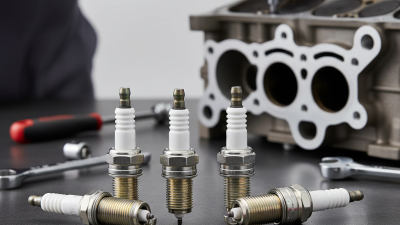
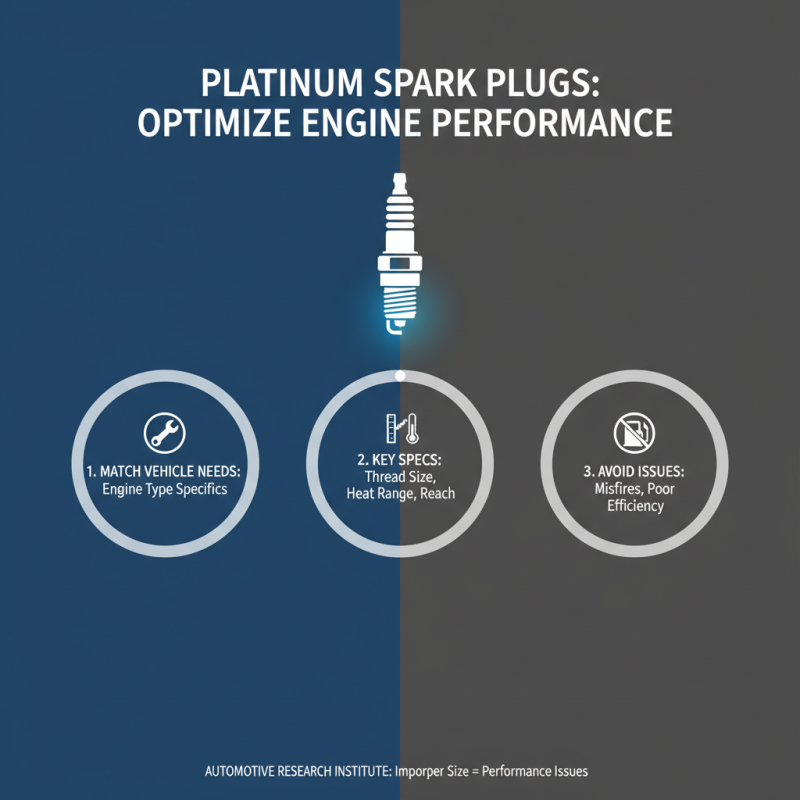
When selecting platinum spark plugs, understanding your vehicle’s specific needs is vital. Each engine type requires different specifications. The spark plug’s thread size, heat range, and reach must match your engine's requirements. According to a study from the Automotive Research Institute, improper size can lead to engine misfires and poor fuel efficiency. A small oversight in size can result in significant performance issues.
To find the right specifications, consult your vehicle’s owner manual or manufacturer guidelines. This documentation usually provides detailed information on the appropriate spark plug sizes. If you're unable to locate this information, an experienced mechanic can help. Industry data suggests that roughly 30% of car owners choose the incorrect spark plug size for their vehicles. This can lead to increased emissions and decreased acceleration.
Pay attention to the condition of your current spark plugs. Worn plugs often signal that a change is necessary. Look for signs like wear on the electrode or excessive build-up. An engine running with poor-quality plugs may exhibit rough idling or decreased power. Identifying the correct size and specifications ensures optimal performance and longevity of your vehicle's engine.
Installation Tips and Best Practices for Platinum Spark Plugs
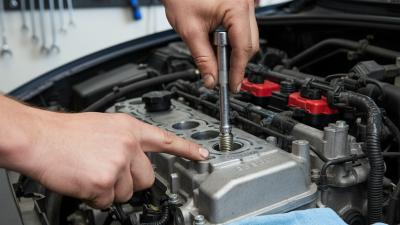
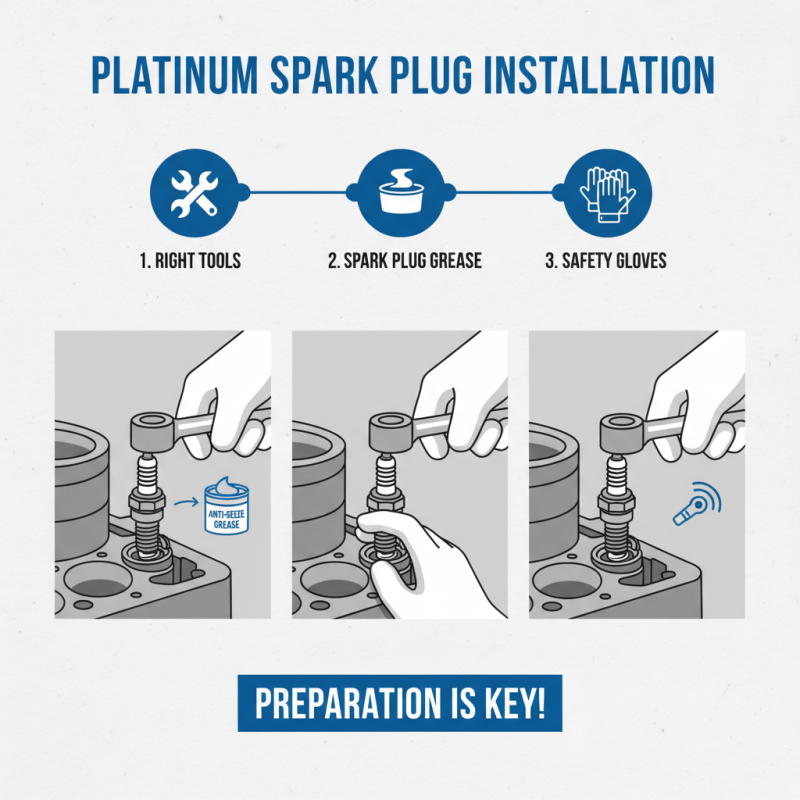
When it comes to installing platinum spark plugs, preparation is key. Start by ensuring you have the right tools at hand. A socket and ratchet will make the job easier. Make sure to also have spark plug grease. It helps in the installation process. Remember to wear safety gloves to protect your hands.
Before you begin, disconnect the battery. This step prevents any electrical shocks. Once disconnected, locate the spark plug wires. Take your time to assess their condition. Worn-out wires can lead to poor performance. It's wise to replace them if needed.
During installation, apply a small amount of anti-seize compound on the plug threads. This helps in future removal. Be careful not to over-tighten the plugs. Doing so can damage the threads in the engine. Finally, reconnect everything. Double-check your work to ensure all connections are secure. This method improves vehicle performance. Remember, precision matters in spark plug installation.