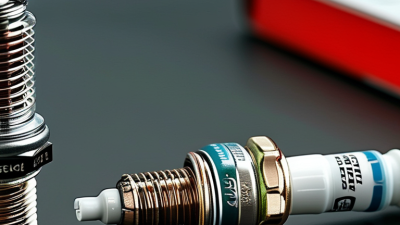
Global buyers face a large and changing ignition-parts market. OICA reported 93.5 million motor vehicles produced worldwide in 2023. Many still use gasoline or hybrid powertrains that depend on correctly specified spark plugs. Meanwhile, the IEA’s Global EV Outlook 2024 recorded nearly 14 million electric-car sales in 2023. This shift matters, but it has not removed the need for reliable ignition components.
Denso Spark Plugs deserve careful evaluation beyond brand recognition. The correct choice depends on engine code, plug dimensions, heat range, electrode design, gap specification, and operating conditions. A plug that fits the thread may still perform poorly in a turbocharged engine, high-altitude route, or heavily loaded commercial vehicle. Fit matters. Small details matter more.
This guide presents seven practical tips for international purchasers. It draws on DENSO technical information, vehicle-maker service requirements, and market evidence from OICA and the IEA. Buyers should verify every part number against an official catalog or authorized distributor. Cross-reference databases can contain errors, especially across regional vehicle versions. That point is easy to overlook.
The discussion also considers counterfeit risks, packaging checks, supplier traceability, shipping conditions, and total cost rather than unit price alone. Professional experience suggests that a cheaper plug can create expensive returns when installation data is incomplete. Still, no guide replaces the vehicle manufacturer’s specification. I may sound cautious, but ignition accuracy leaves little room for guesswork. A thoughtful purchasing process protects engine performance, workshop time, and customer confidence across global markets.
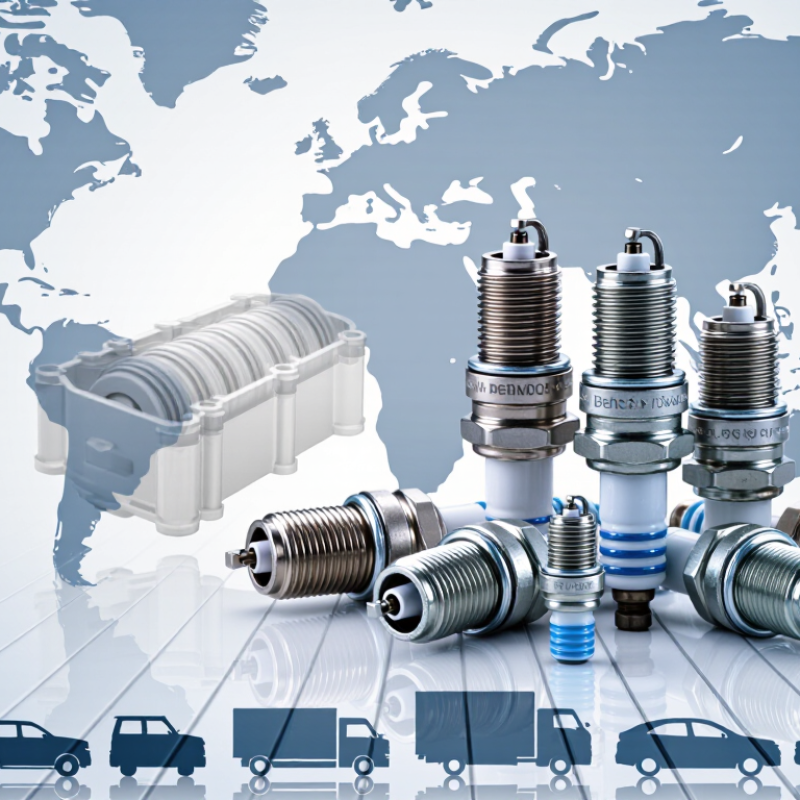
Spark plug selection begins with engine fit, not price. Copper-core plugs suit older, low-stress engines and frequent service schedules. Platinum and iridium types usually support longer replacement intervals and stable ignition under higher temperatures. Resistor plugs help reduce radio and electronic interference. Standard and projected tips change flame exposure, so the specified design matters.
A practical check includes thread diameter, reach, seat type, heat range, and electrode gap. Never “improve” the gap by guessing. A small error can cause hard starts, misfires, or poor acceleration. ACEA’s Vehicles on European Roads 2024 report lists the average European passenger car age at 12.5 years. That makes correct replacement especially important for aging engines. EPA’s 2023 Automotive Trends Report recorded 26.4 mpg for model-year 2022 vehicles, showing how closely modern efficiency depends on precise engine operation. The figure does not prove that one plug creates better economy. That assumption needs restraint.
For turbocharged engines, choose the manufacturer’s heat range and verify ignition demands. Naturally aspirated engines may allow broader options, but compatibility still controls the decision. Examine the old plug’s deposits under good lighting. Light tan deposits can suggest normal combustion; wet fuel or heavy ash deserves diagnosis. A catalog match is not enough. My checklist can still miss modified engines, unusual fuel, or neglected ignition coils. Fitment data, service records, and a torque wrench provide stronger evidence than appearance alone.

Choosing the correct spark plug begins with your vehicle’s exact specifications, not a familiar product name. Check the owner’s manual, engine code, model year, and fuel system before comparing options. Thread diameter, reach, seat design, heat range, and electrode gap must match precisely. A plug that fits the socket may still be wrong.
I have seen engines run smoothly after installation, then develop hard starting within weeks because the heat range was overlooked. Short trips, heavy traffic, towing, and cold climates can change the suitable specification. Check whether the engine requires a resistor plug, projected tip, or specific electrode material. Never copy a plug number from a similar engine without confirming the application data.
Measure carefully. Small errors matter. Compare the manufacturer’s catalog with independent service references, and verify regional fitment information for imported vehicles. Gap settings may arrive pre-adjusted, but transport can bend a fine electrode. Inspect it under bright light and use a proper gauge; do not force the tool between the electrodes. I once trusted a printed listing that contained an outdated gap value. That mistake was avoidable. Keep the original plug nearby during replacement, photograph its markings, and record the installation mileage. Local driving conditions can reveal whether the selected heat range and gap are genuinely working.
Choosing spark plugs for international applications requires more than matching thread size. The heat range must suit the engine’s real operating temperature. A plug that runs too cold may collect carbon during short city trips. A plug that runs too hot can increase pre-ignition risk under heavy loads. Check the vehicle manual, engine code, fuel type, and climate before making a decision. Altitude and frequent towing can also change combustion demands.
Materials affect service life and ignition consistency. Copper-core designs can provide reliable heat transfer and responsive performance. Precious-metal electrodes usually resist erosion better, especially in engines with extended replacement intervals. However, material alone does not guarantee compatibility. I have seen durable electrodes perform poorly when the gap was incorrect or the plug was over-tightened. Small details matter.
Electrode design influences flame access and required voltage. A fine center electrode may support easier ignition, while a tapered ground electrode can reduce interference with the flame front. Multi-ground designs may offer stable wear patterns, but they are not suitable for every ignition system. Always compare the specified gap, reach, seat type, and torque value. Do not assume a similar-looking plug will work. I still double-check the application data, because catalog errors and regional engine variations can create expensive mistakes. Performance data should be verified through technical documents and controlled testing, not appearance alone.
| Tip | Selection Dimension | What to Check | Typical Technical Data | Recommended Buyer Action |
|---|---|---|---|---|
| 1 | Heat Range | Confirm that the plug can transfer heat from the firing tip to the cylinder head at the required rate. | Heat-range numbering is not universal. A plug that is too cold may foul; one that is too hot may increase pre-ignition risk. Normal insulator-tip operating temperature is commonly around 500–850°C. | Use the vehicle or engine manufacturer’s specified heat range first. Do not compare heat-range numbers across different product series without a conversion chart. |
| 2 | Thread and Reach | Check thread diameter, pitch, reach, seat type, and shell dimensions. | Common small-engine and passenger-vehicle specifications include M10, M12, and M14 threads; reach varies by cylinder-head design. Seat types may be tapered or gasketed. | Match every dimensional parameter with the engine application. Incorrect reach can damage internal components or create sealing problems. |
| 3 | Electrode Material | Evaluate the center and ground electrode materials for wear resistance, conductivity, and service life. | Nickel-alloy electrodes are generally economical. Platinum and iridium tip materials have higher melting points and typically support smaller, wear-resistant firing tips. | Select the material according to the manufacturer’s service interval, ignition-system design, operating temperature, and budget. |
| 4 | Electrode Design | Review center-tip diameter, ground-electrode shape, and the number and position of firing edges. | Fine-wire center electrodes can reduce required firing voltage and help promote reliable ignition. Design details must still match the specified ignition system. | Prefer the approved electrode configuration rather than choosing solely by appearance or the smallest available tip. |
| 5 | Gap Specification | Verify the factory-set gap and whether adjustment is permitted for the specific plug construction. | Many gasoline engines use gaps approximately between 0.7 and 1.1 mm, but the correct value depends on engine compression, ignition voltage, fuel system, and emissions calibration. | Follow the exact application specification. Avoid forcing or bending delicate fine-wire electrodes during adjustment. |
| 6 | Resistor and Compatibility | Check whether a resistor plug is required and confirm compatibility with the ignition, electronic control, and radio-noise systems. | Resistor plugs commonly use resistance in the several-kilohm range to reduce electromagnetic interference. Resistance values and requirements vary by application. | Do not replace a resistor-type plug with a non-resistor type unless the engine manufacturer explicitly allows it. |
| 7 | Operating Conditions and Verification | Consider climate, altitude, fuel quality, driving load, stop-and-go use, and the authenticity of the supplied part. | Cold climates, short trips, heavy loads, turbocharging, and high engine speeds can change fouling and thermal behavior. Spark-plug torque commonly falls within approximately 10–30 N·m, depending on thread size and seat design. | Buy through traceable channels, compare the part number with the application catalog, inspect packaging and dimensions, and install using the specified torque and removal procedure. |
Choosing spark plugs for international markets requires more than matching thread size. Verify thread diameter, reach, seat design, terminal type, heat range, and electrode material against the vehicle’s service data. A plug may fit physically yet produce poor ignition or damage the engine. The International Organization for Standardization publishes spark-plug testing and dimensional requirements, while SAE specifications support consistent automotive measurements. Check both references when regional catalogs disagree.
Authenticity deserves equal attention. The OECD and EUIPO reported that counterfeit goods represented about 3.3% of global trade, worth nearly USD 461 billion in 2019. Their findings cover many product categories, but the risk is relevant to ignition components. Purchase through traceable distributors, inspect sealed packaging, and compare lot codes with supplier records. QR labels help, but they are not conclusive. Skilled counterfeiters can copy them.
Test the details. Confirm the correct resistance, gap, shell plating, and ceramic condition before installation. Keep invoices, batch photographs, and inspection results for each shipment. These records support warranty decisions and future audits. A handheld gap gauge and a calibrated torque wrench are practical tools. Still, tools do not replace technical judgment. I once treated a catalog match as final proof; it was not. Regional fuel quality, engine modifications, and climate can change the best choice. Ask the supplier for current test evidence, not only a certificate image.
Price is important when choosing spark plugs, but the lowest quote can hide real costs. Compare prices per unit, packaging, taxes, and delivery charges. Request a written quotation with the exact part number and quantity. I once chose the cheapest offer. It was not my best decision. The plugs arrived with unclear packaging, and replacement took weeks.
A reliable supplier should provide traceable product information, clear invoices, and responsive technical support. Check business registration, warehouse photos, customer references, and sales history. Ask whether the products are intended for your vehicle and engine conditions. A professional seller should answer directly, not avoid basic questions. Small details matter. Confirm manufacturing dates, storage conditions, and return procedures before payment.
Warranty terms deserve careful attention. Read the coverage period, claim evidence, labor limits, and exclusions. Some warranties cover defective parts but exclude incorrect installation. Ask who pays return shipping and how claims are inspected. Shipping also affects performance and cash flow. Compare courier, air freight, and sea freight based on urgency and order size. Protect fragile boxes from moisture and crushing during transit. Request tracking information and confirm customs documents before dispatch. Delivery estimates are not guarantees, especially during holidays or port delays. This is where my own process still needs improvement: I sometimes focus too heavily on purchase price and overlook the cost of waiting.
This neutral evaluation model rates the main purchasing factors on a 0–10 priority scale. Buyers should confirm vehicle compatibility first, then compare landed cost, supplier reliability, warranty terms, shipping predictability, product availability, and after-sales support.