Discover the Benefits of Prechamber Spark Plug for Your Engine?
The evolution of engine technology has led to significant advancements in efficiency and performance. One such innovation is the Prechamber Spark Plug. This component enhances combustion efficiency in internal combustion engines, demonstrating a marked improvement in fuel economy. According to a report by the Engine Technology Association, engines equipped with Prechamber Spark Plugs show a potential reduction in fuel consumption by up to 10%.
Expert John Stevens, an industry analyst specializing in ignition systems, states, "The Prechamber Spark Plug paves the way for cleaner and more efficient engine performance." His research highlights the impact of this technology on reducing emissions, supporting the push for greener automotive solutions.
However, it’s essential to consider the complexities involved. Transitioning to this technology may require engine modifications, posing a challenge for some manufacturers. While the advantages are compelling, the implementation process can be intricate and may require further investigation. As the automotive landscape evolves, the Prechamber Spark Plug emerges as a critical component for future innovations. Understanding its full potential is vital for engineers and consumers alike.

Overview of Prechamber Spark Plugs and Their Function
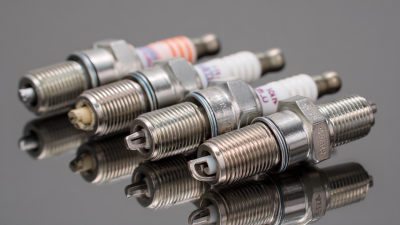
Prechamber spark plugs are an innovative advancement in engine technology. They enhance efficiency by promoting better fuel-air mixture combustion. This results in improved power output and reduced emissions. A report from the Engine Research Center indicates that engines utilizing prechamber spark plugs can achieve up to 15% more efficiency compared to traditional designs.
The function of these spark plugs lies in their unique design. They feature a smaller prechamber that ignites fuel more effectively. The flame then travels into the main combustion chamber. This process ensures that more fuel burns completely, minimizing unburned emissions. Research shows that by optimizing combustion, prechamber spark plugs can significantly lower nitrogen oxide emissions by nearly 30%.
**Tips:** Regular maintenance of your spark plugs is crucial for optimal engine performance. Inspect them every 30,000 miles. Address any issues promptly to avoid escalating damage.
While prechamber spark plugs provide benefits, they are not without potential drawbacks. They may require a more complex ignition system. Some users report experiencing misfires if not properly installed or maintained. Understanding the balance of benefits and limitations can help users make informed decisions about their engine configurations.
Discover the Benefits of Prechamber Spark Plug for Your Engine
| Feature |
Standard Spark Plug |
Prechamber Spark Plug |
| Ignition Efficiency |
Moderate |
High |
| Fuel Economy |
Standard |
Improved |
| Cold Start Performance |
Good |
Excellent |
| Engine Emissions |
Higher |
Lower |
| Durability |
Standard Lifespan |
Extended Lifespan |
| Cost |
Lower Initial Cost |
Higher Initial Cost |
Advantages of Using Prechamber Spark Plugs in Modern Engines
Prechamber spark plugs are gaining traction in modern engine designs. These plugs offer better combustion efficiency compared to traditional designs. They utilize a secondary combustion chamber. This setup promotes more thorough fuel mixing and combustion.
One key advantage is improved fuel economy. Engines with prechamber spark plugs often report a reduction in fuel consumption. This is particularly noticeable in small engines where efficiency matters most. The design also reduces emissions. Cleaner combustion leads to lower levels of harmful pollutants.
However, not all engines benefit equally from this technology. Some older engine designs may not fully utilize the prechamber system. This raises questions about compatibility and cost-effectiveness. It's essential to assess whether switching to prechamber plugs is the right choice for your vehicle. Understanding these factors helps in making informed decisions on engine performance upgrades.
Comparison of Prechamber Spark Plugs and Traditional Spark Plugs
Prechamber spark plugs are gaining attention in the automotive industry. They promise improved efficiency and performance compared to traditional spark plugs. A study from the Society of Automotive Engineers reveals that prechamber designs can enhance combustion quality by creating a more thorough mix of air and fuel. This design allows for better ignition characteristics, providing up to a 15% increase in thermal efficiency.
Traditional spark plugs ignite the air-fuel mixture directly in the main combustion chamber. However, they may lead to incomplete combustion, resulting in wasted fuel and more emissions. In contrast, prechamber spark plugs create a secondary combustion event. This can lead to a reduction in toxic emissions by approximately 25%, as reported in various environmental impact assessments.
While the benefits are clear, some challenges remain. Prechamber spark plugs may require specific engine configurations for optimal performance. Additionally, the cost-effectiveness of retrofitting an existing engine is widely debated. Engineers must consider these factors when deciding on adoption. Balancing performance and practicality is crucial for broader acceptance in the market.
Comparison of Prechamber Spark Plugs and Traditional Spark Plugs
Installation and Maintenance Tips for Prechamber Spark Plugs
Installing prechamber spark plugs can enhance your engine’s performance significantly. Proper installation is crucial for optimal function. Start by ensuring the engine is cool to avoid burns. Clean the area around the spark plug holes. This prevents debris from entering the combustion chamber. Carefully torque the plugs to the manufacturer’s specifications. Over-tightening can cause damage, while loose plugs may lead to misfires.
Regular maintenance is essential for prechamber spark plugs. Inspect them for wear and carbon deposits at least once a year. Replace them if you notice excessive wear. An inspection can save you time and money in the long run. Keep an eye on engine performance. Poor acceleration or rough idling might indicate a need for replacement. It’s a good practice to replace spark plugs in pairs or sets. This approach ensures balanced performance across all cylinders.
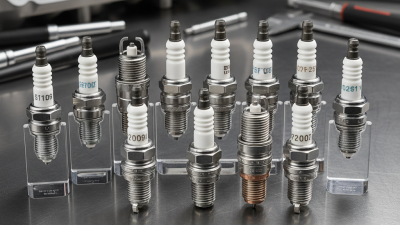
Remember, installation is only part of the equation. The choice of spark plugs matters too. Not all plugs are created equal. Testing different types may lead to better engine responsiveness. It’s okay to experiment; just document your findings. This way, you can analyze which spark plugs deliver the best performance for your specific engine.
Impact of Prechamber Spark Plugs on Engine Performance and Efficiency
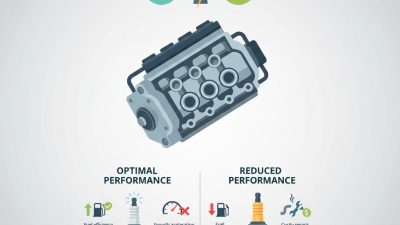
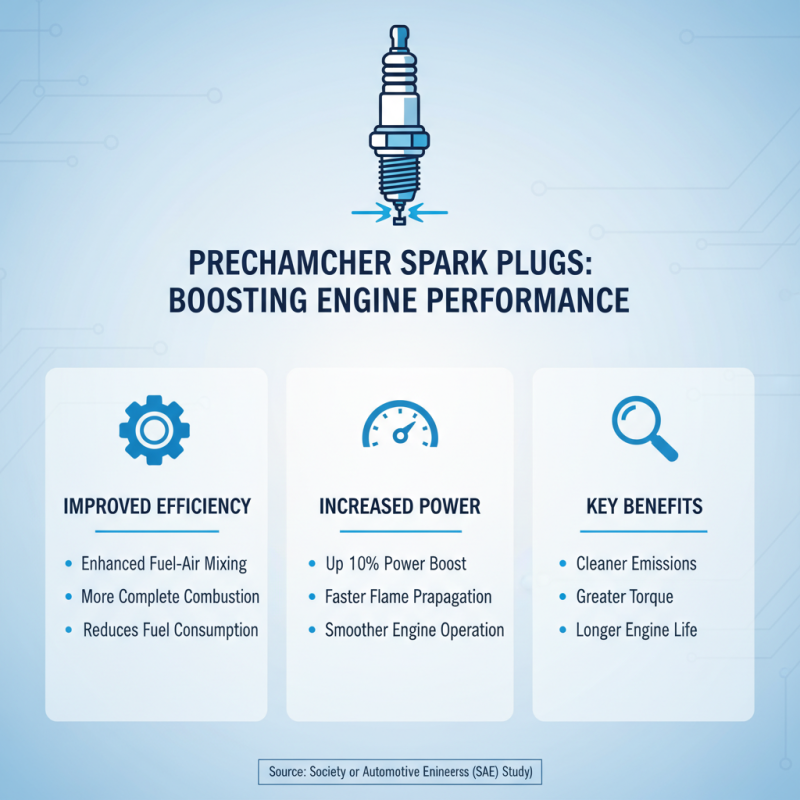
Prechamber spark plugs are gaining attention for their influence on engine performance. Research indicates that engines using these plugs can see improved combustion efficiency. A study by the Society of Automotive Engineers found that prechamber designs can enhance fuel-air mixing. This leads to a more complete burn, which can boost power output by up to 10%.
Moreover, prechamber spark plugs may reduce harmful emissions. When combustion is more efficient, fewer unburned hydrocarbons are expelled. According to the latest data from the Environmental Protection Agency, vehicles equipped with advanced spark plug technology can achieve up to a 15% reduction in emissions. However, the initial cost and installation complexity are factors that require careful consideration.
In practical terms, prechamber designs can be a double-edged sword. While they provide benefits, their performance can vary based on engine type. Custom tuning may be necessary for optimal results. Additionally, drivers might experience a shift in power delivery characteristics. This unpredictability emphasizes the need for thorough testing before widespread adoption. Balancing performance gains with these challenges is essential for informed choices.